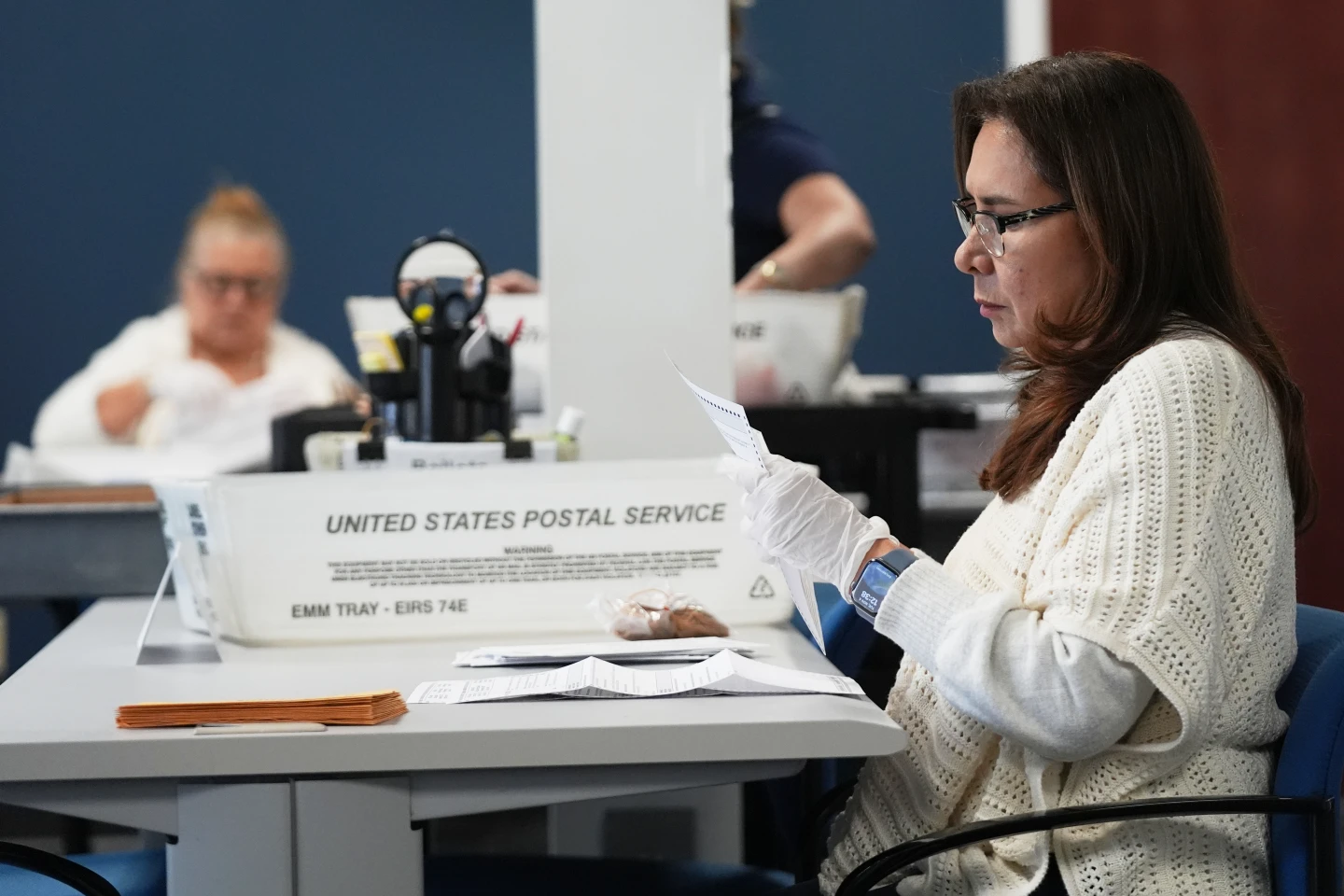
In a pivotal session on Monday, the Supreme Court's conservative justices voiced doubt over state laws that enable the counting of late-arriving mail ballots. This scrutiny arises from a case in Mississippi that could reshape voting regulations in 13 states and Washington D.C., where grace periods for mail ballots exist. Moreover, the decision may influence 15 additional states with extended deadlines for ballots received from military and overseas voters.
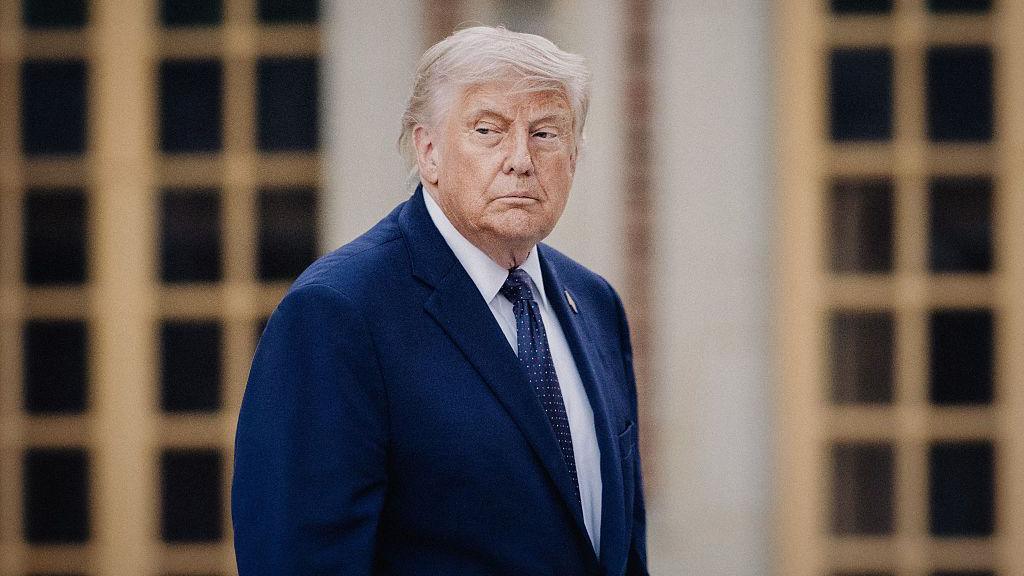
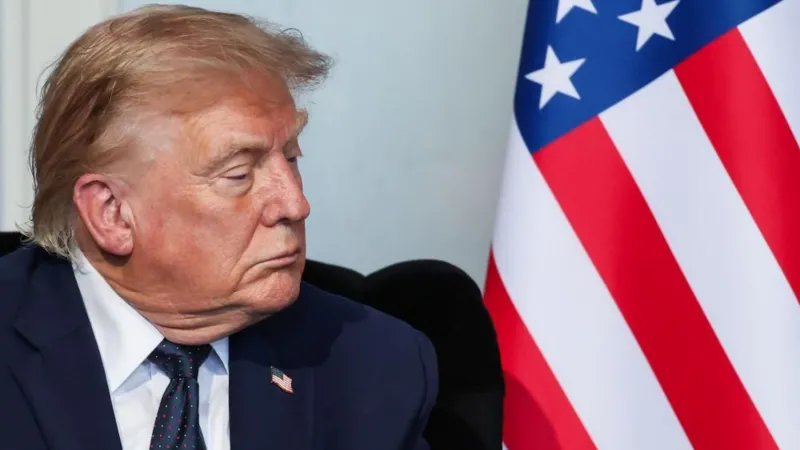
A ruling is anticipated by late June, just in time for the 2026 midterm congressional elections, bringing significant implications for mail-in voting practices championed by former President Donald Trump. Despite years of evidence supporting the security of mail-in ballots, Trump’s faction remains adamant that it leads to fraud, a claim disputed by election officials.
Justice Samuel Alito raised concerns about potential fraud allegations where a large number of late ballots could drastically alter electoral outcomes.
Mississippi Solicitor General Scott Stewart defended the state's law, clarifying that the Trump administration has not substantiated any fraud claims directly related to late mail-in ballots. Meanwhile, liberal justices on the bench hinted at support for upholding state laws favoring post-election day counting, raising awareness of potential voter disenfranchisement and chaos if abrupt changes are made before the forthcoming elections.
Justice Sonia Sotomayor remarked, stressing that the decision should be determined by Congress and the states rather than the courts, emphasizing the importance of established election practices. Big-city election officials voiced similar sentiments in written filings, warning that mandated changes close to an election could sow confusion and disenfranchise voters, particularly in areas accustomed to more lenient ballot deadlines.
As states await the Supreme Court's judgment, the division among states' voting policies remains evident, with some states already eliminating grace periods for ballots in recent years. This ongoing debate underscores the intricate balance between electoral security and access to the voting process as the 2026 elections approach.
A ruling is anticipated by late June, just in time for the 2026 midterm congressional elections, bringing significant implications for mail-in voting practices championed by former President Donald Trump. Despite years of evidence supporting the security of mail-in ballots, Trump’s faction remains adamant that it leads to fraud, a claim disputed by election officials.
Justice Samuel Alito raised concerns about potential fraud allegations where a large number of late ballots could drastically alter electoral outcomes.
Mississippi Solicitor General Scott Stewart defended the state's law, clarifying that the Trump administration has not substantiated any fraud claims directly related to late mail-in ballots. Meanwhile, liberal justices on the bench hinted at support for upholding state laws favoring post-election day counting, raising awareness of potential voter disenfranchisement and chaos if abrupt changes are made before the forthcoming elections.
Justice Sonia Sotomayor remarked, stressing that the decision should be determined by Congress and the states rather than the courts, emphasizing the importance of established election practices. Big-city election officials voiced similar sentiments in written filings, warning that mandated changes close to an election could sow confusion and disenfranchise voters, particularly in areas accustomed to more lenient ballot deadlines.
As states await the Supreme Court's judgment, the division among states' voting policies remains evident, with some states already eliminating grace periods for ballots in recent years. This ongoing debate underscores the intricate balance between electoral security and access to the voting process as the 2026 elections approach.