In brief
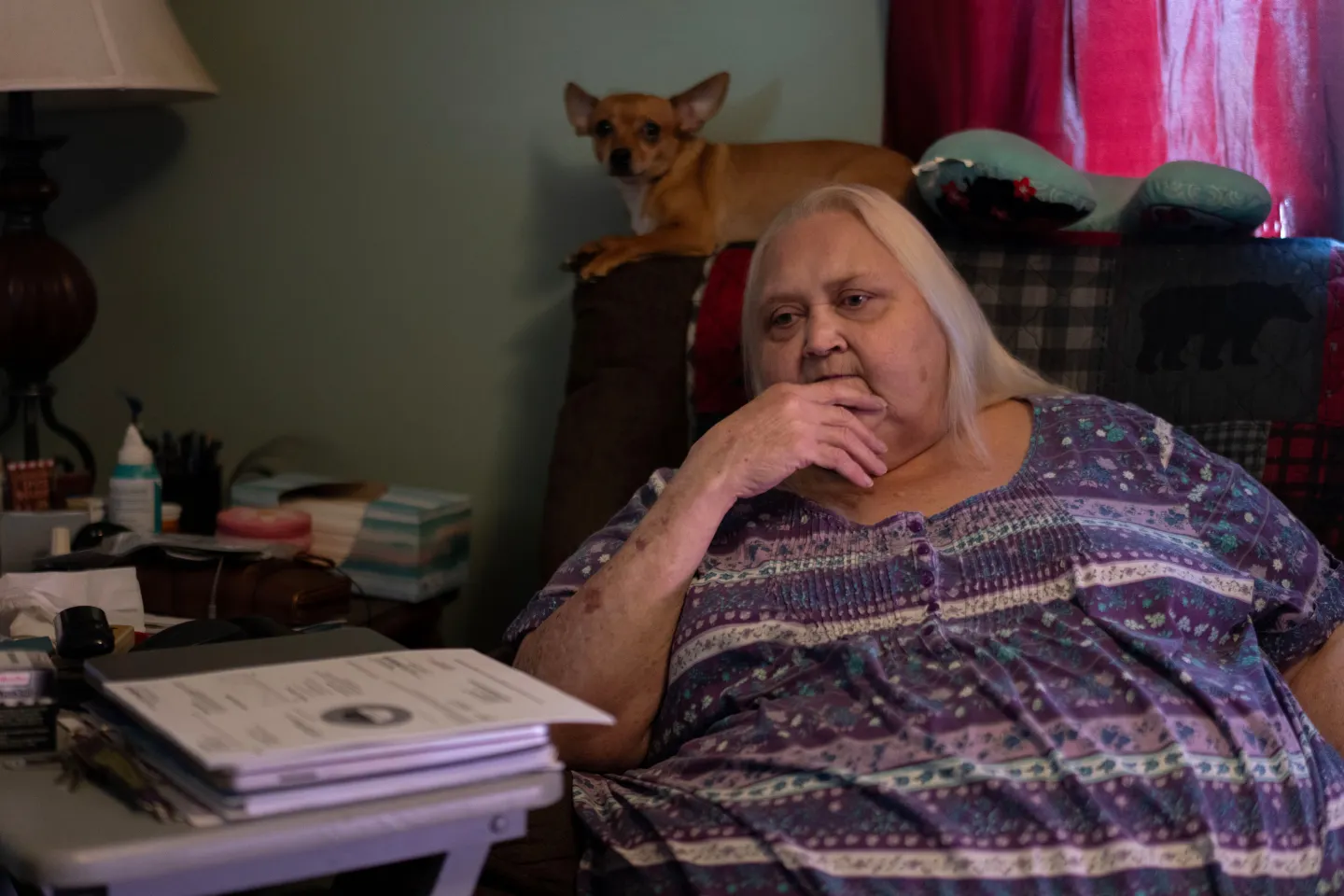
In fluctuating temperatures and with legacy coal plants dominating energy production, residents like Rebecca Michalski face bills over $900 in winter. Despite living frugally, many are being forced into poverty due to exorbitant utility costs, leaving them to choose between necessities like food and heat.
RAINELLE, W.Va. — Every month, Rebecca Michalski takes a deep breath before opening her electric bill. Living on a fixed income, her heating costs for February were $940.08— a payment more than her monthly check.
Despite turning off lights and minimizing usage, Michalski struggles to keep up with mounting charges, appealing for help on social media as residents across West Virginia voice their outrage over rising energy costs. Many families are now faced with the excruciating decision between paying for essential items and keeping warm.
According to the Labor Department's Consumer Price Index, electricity costs increased by 4.8% in February nationwide. Natural gas prices also surged, exacerbated by tumultuous geopolitical events and increasing domestic demand.
The discontent among West Virginians is palpable, especially as rising energy costs become a hot topic in the electoral discussions, which may lead to an upheaval in upcoming elections.
People like Jennifer Brown, employed at a federally funded Head Start program, face monthly utility bills that approach $1,000, eclipsing her $798 mortgage. With a family of four, she, too, is growing weary of the escalating costs without clear explanations for their high rates.
Despite the promises of the Trump administration to lower energy costs, local conditions and reliance on outdated energy sources continue to fuel the crisis. Claims of revitalizing the coal industry have not materialized into lower bills; rather they have led to frustration and despair among residents.
Local analysts point out that rising electricity bills not only impact households but also devastate small businesses struggling against these rising costs. For example, bakery owner Heather Santee was forced to shut down shortly before Valentine's Day due to unpaid bills. Many others are now contemplating leaving West Virginia in search of better living conditions.
Moving forward, residents are hopeful for changes but wary of the implications — questioning whether the next political leaders will fight for their interests or continue the cycle of neglect.