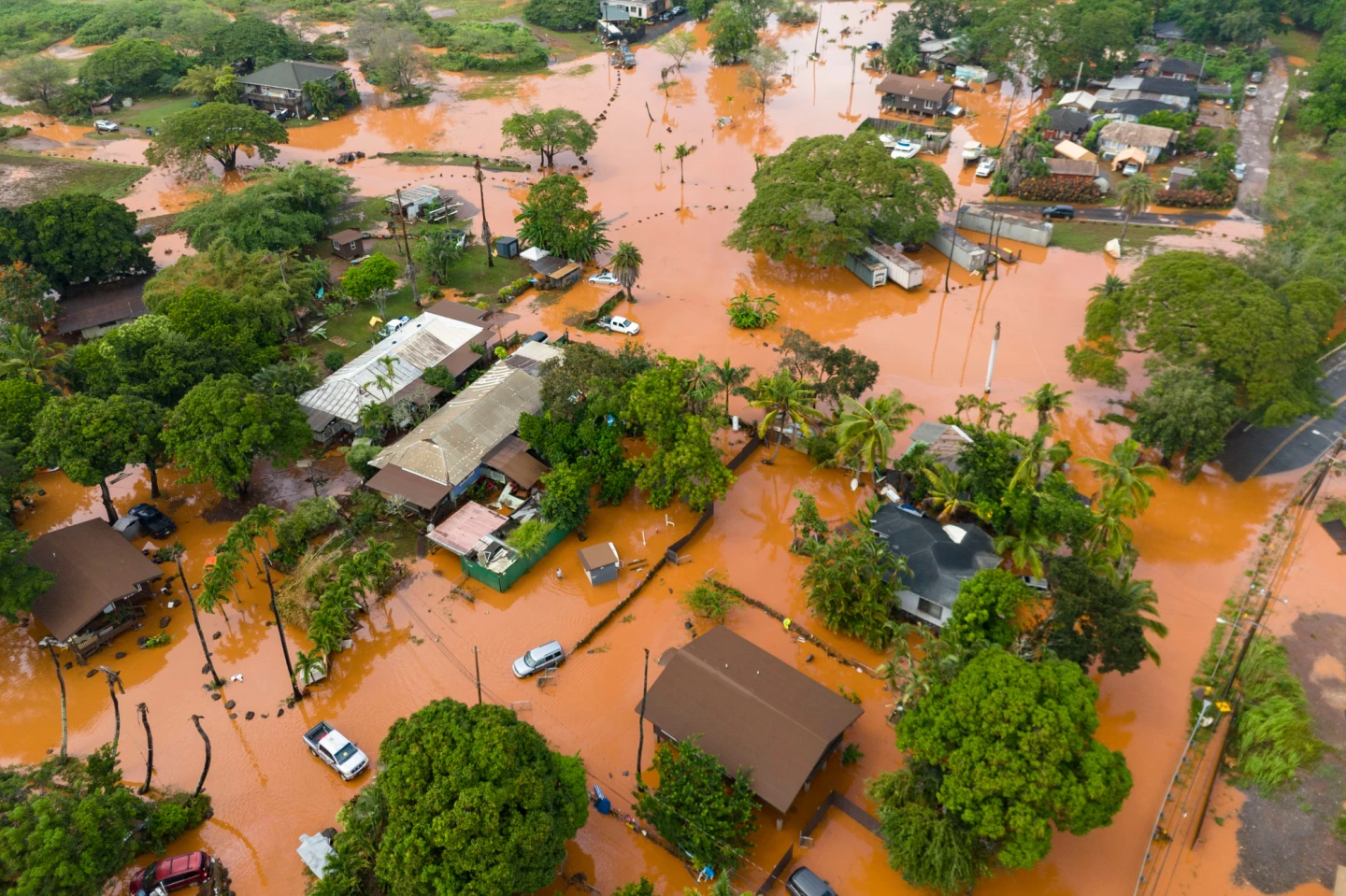
Large chunks of ice rammed into homes along Michigan’s Black Lake in the northeastern Lower Peninsula as constant spring rainfall and winter melt left many homes flooded and threatened to overflow stressed dam systems.
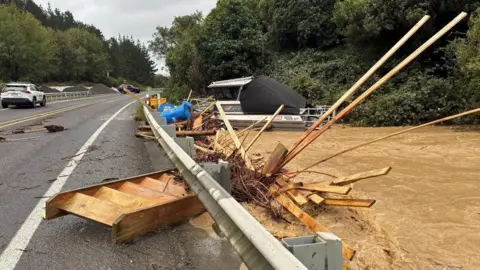
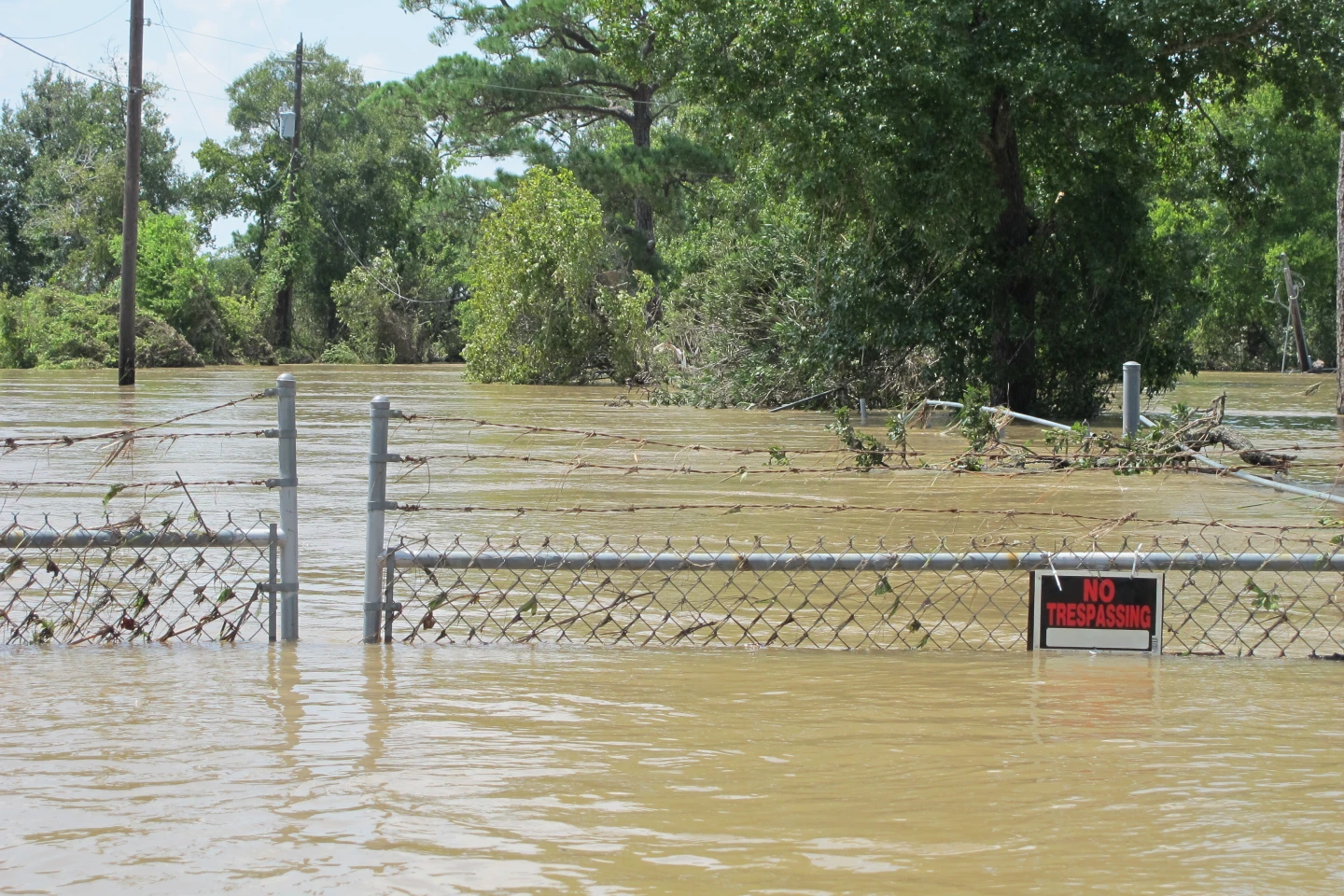
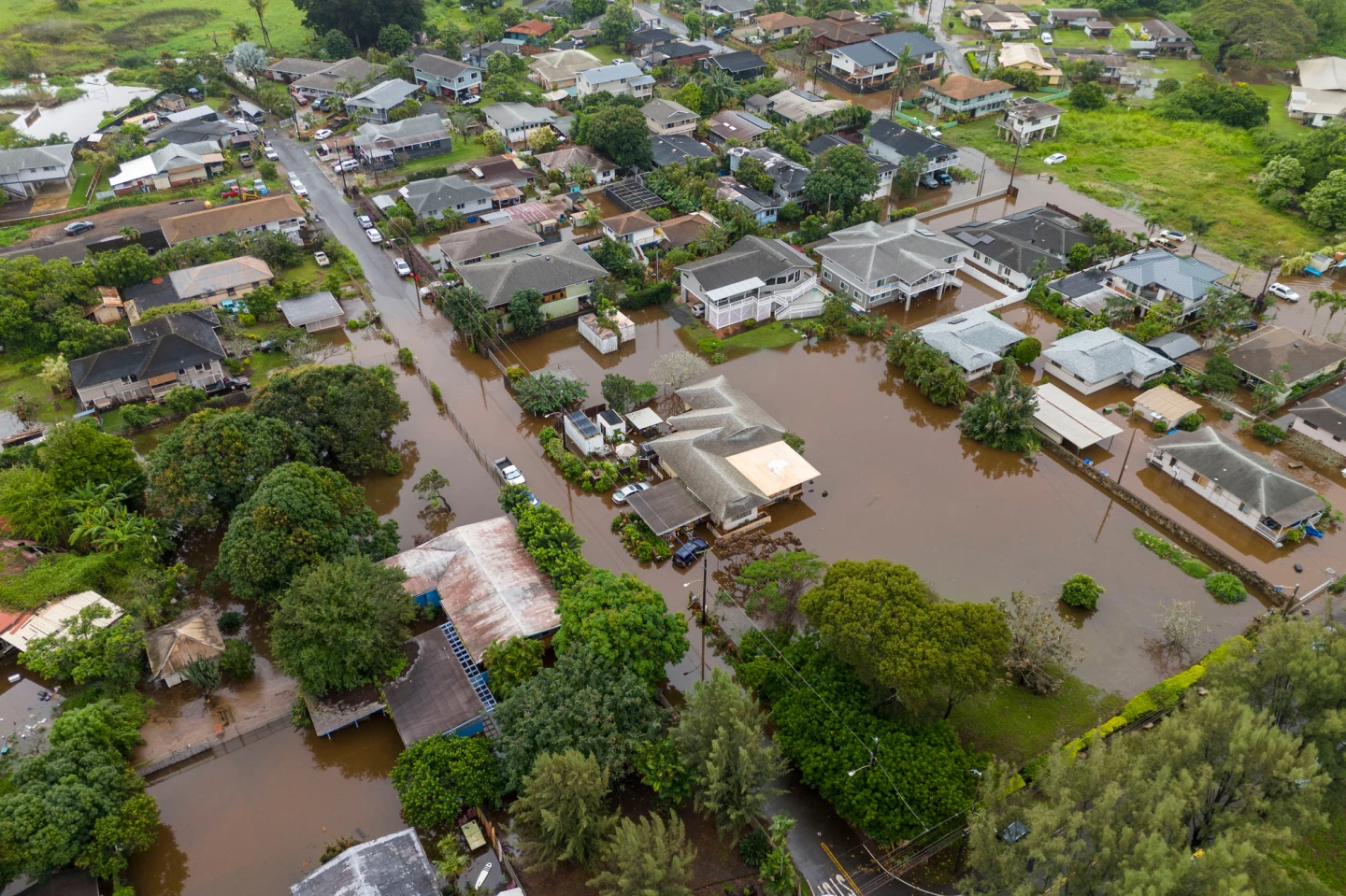
Photos and video posted to social media Wednesday showed ice sitting inside living rooms after busting through windows and doors. Homes, garages and sheds could also be seen surrounded by several feet of muddy, brown river and lake water.
Spring rains and winter snowmelt have swelled rivers and lakes, forcing torrents of water through Cheboygan County communities on its way to Lake Huron.
“Black Lake, Black River, Cheboygan River, Burt Lake, Mullett Lake, the Sturgeon River — and nearly every waterway in the county — have overflowed beyond their banks, swallowing docks, roads, yards, and in far too many cases, homes,” the Cheboygan County sheriff’s office informed residents. “What should be familiar shorelines are now unrecognizable expanses of water.”
Homes along Black Lake’s west side were evacuated over the weekend, according to the sheriff’s office.
“These are ice sheets. They’re massive,” said Christopher Narsesian, who documented the damage. “They’re mini glaciers, if you will. They just run down everything in their path. Nothing can stop that kind of weight.”
State and county officials are working to keep debris and ice from clogging the Cheboygan Lock and Dam Complex to prevent flooding complications.
Ice chunks have been seen moving through Mullett Lake, continuing to threaten the area's waterways. Last week, efforts were intensified to manage water flow through the Cheboygan Dam using pumps and cranes.
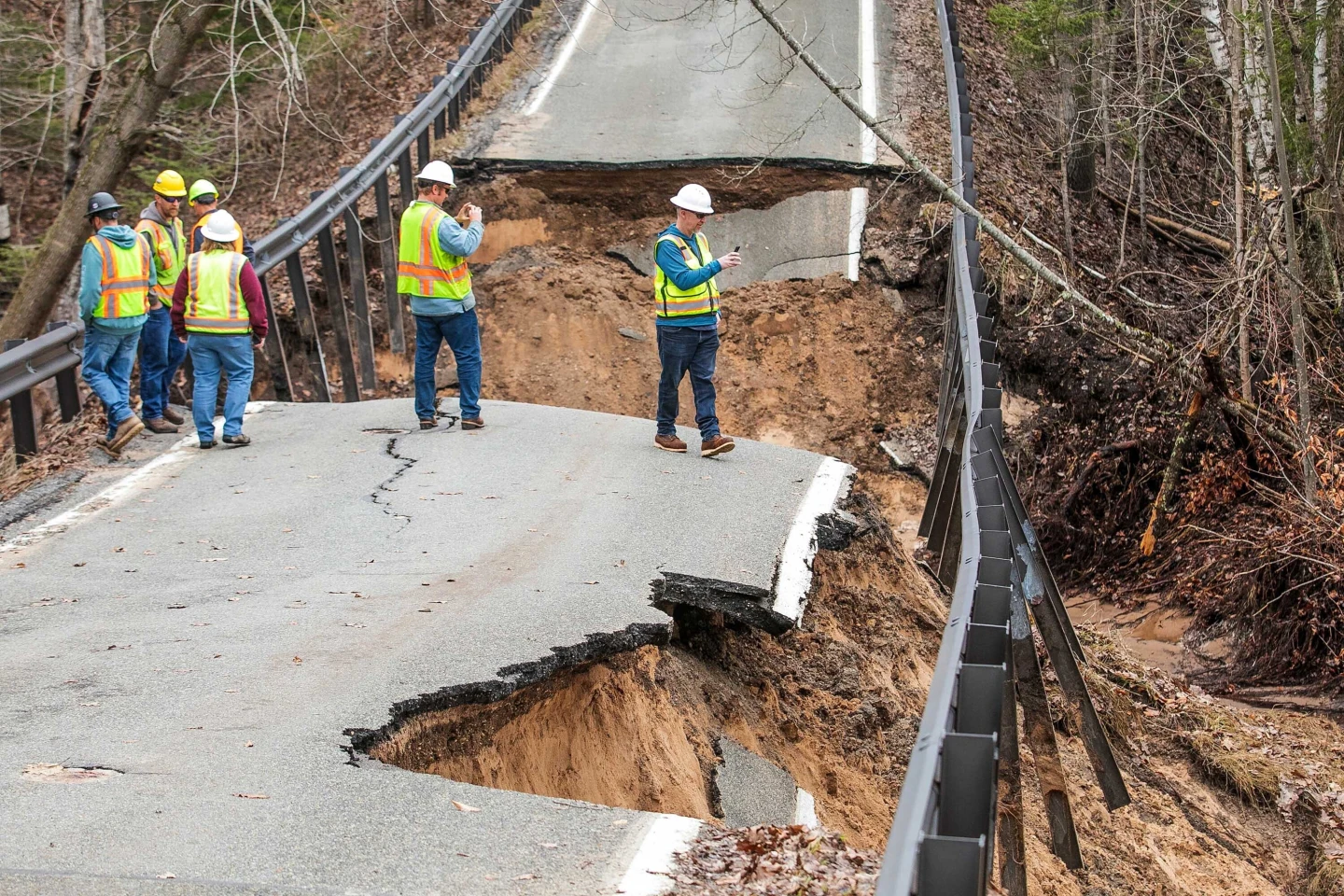
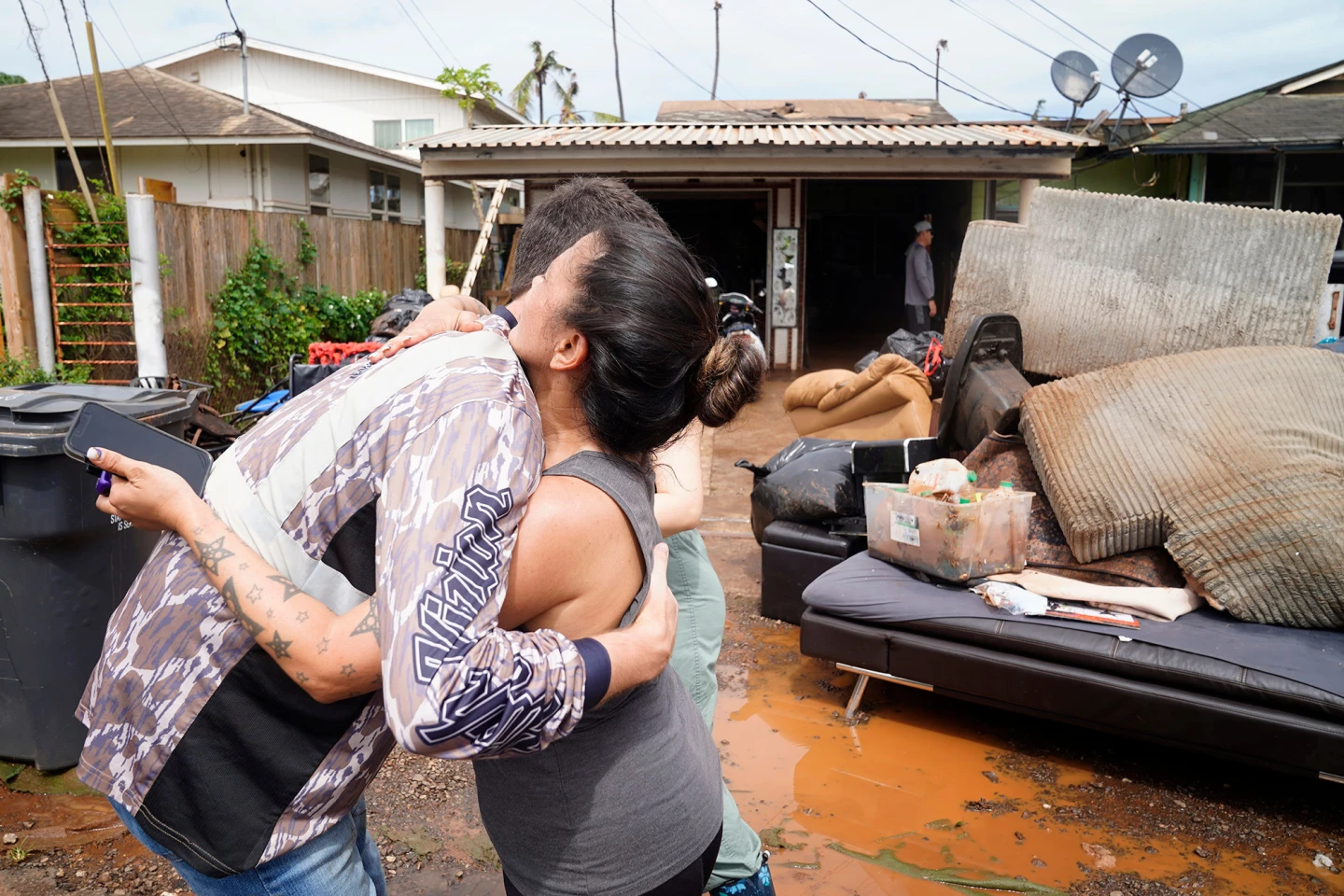
Gov. Gretchen Whitmer has declared a state of emergency in Cheboygan and over 30 other Michigan counties due to flooding and severe weather this month. As locals grapple with the damage, many are left in dire straits without adequate flood insurance. Narsesian expressed concerns about the community’s future as flood impacts become evident: “Most people don’t have any help — coverage,” pointing out the unforeseen nature of the disaster.