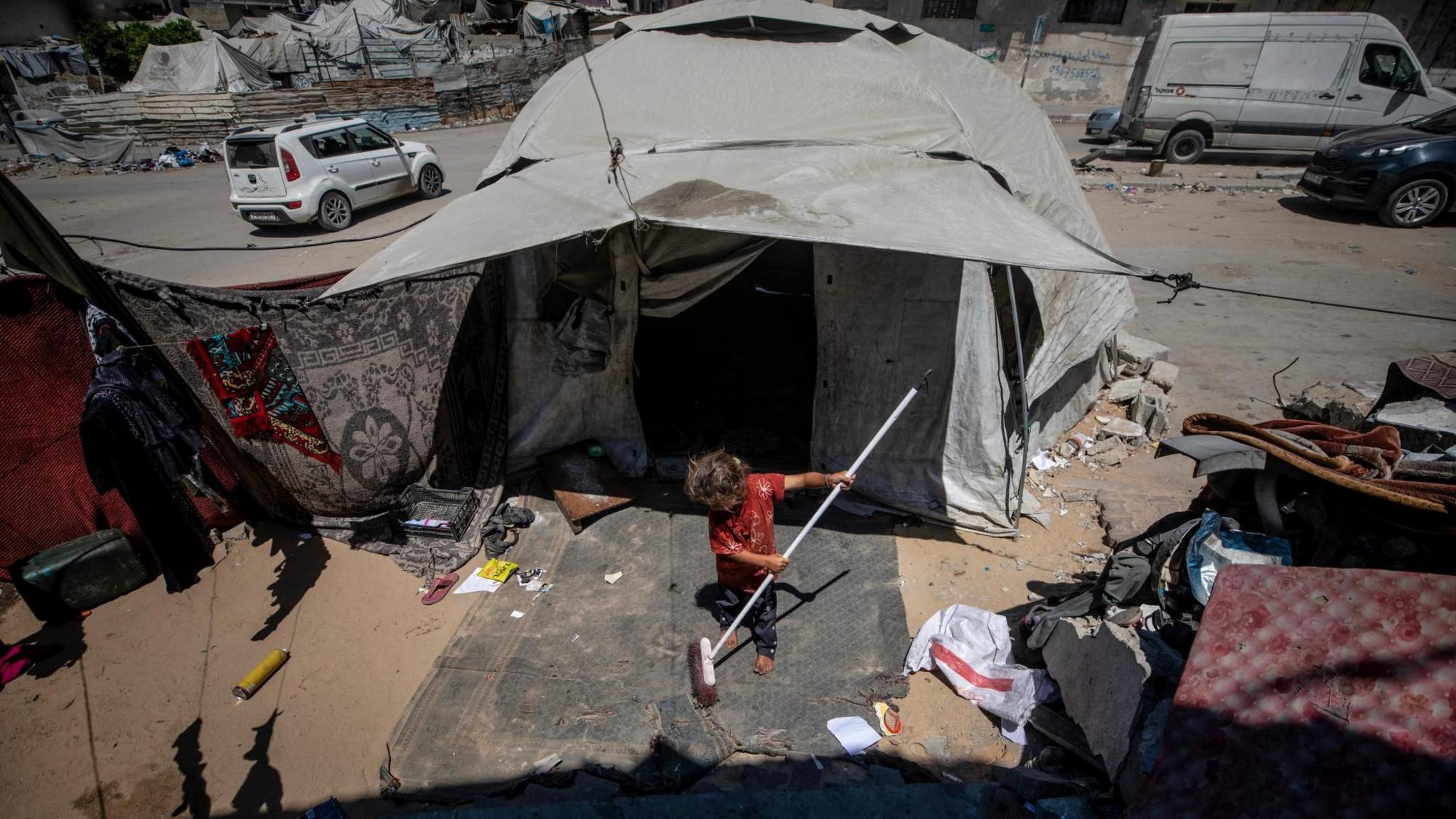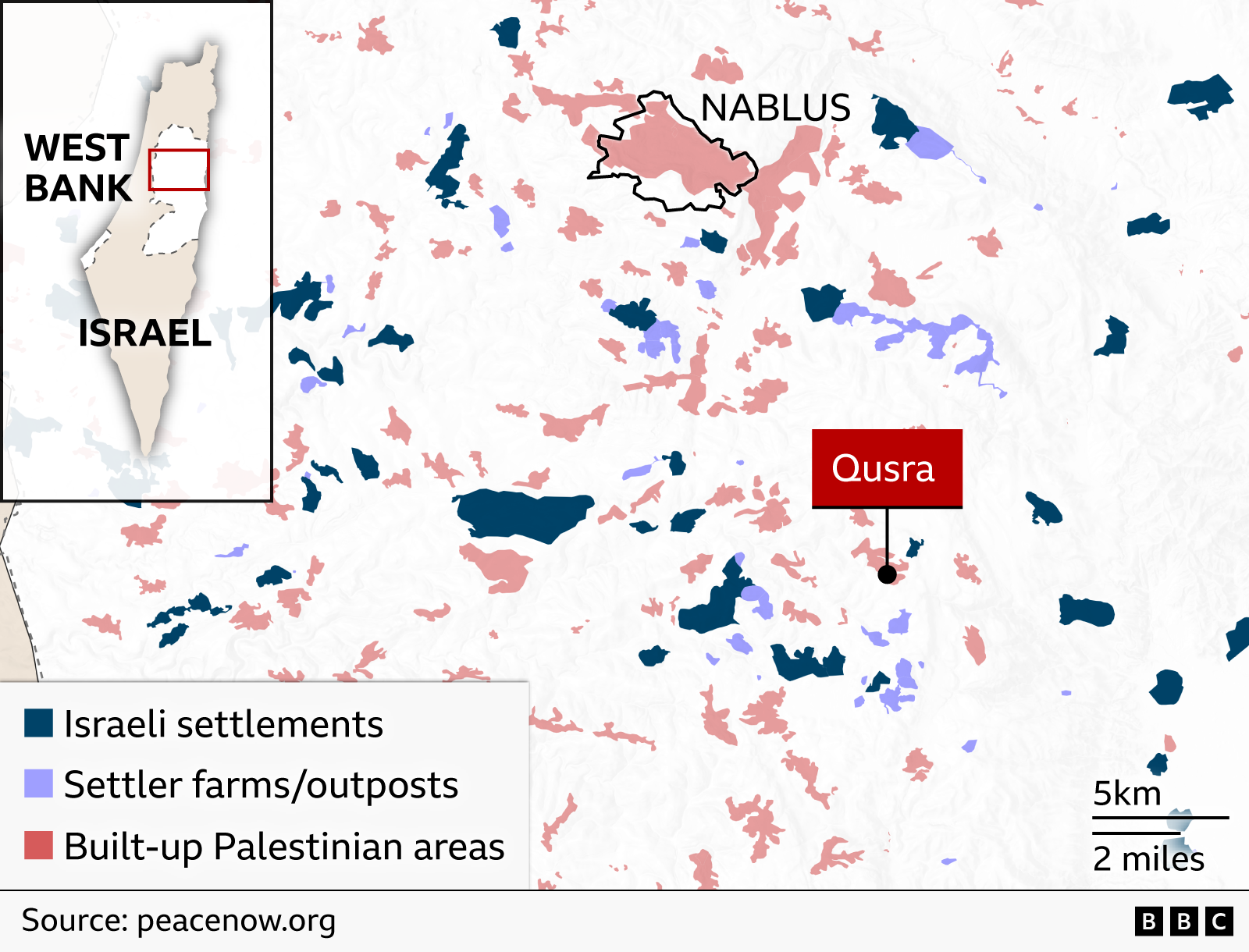
In the nights that followed the settlement of Qusra on the Nablus plain, two Palestinian families – the Abu Ridi and the Hassan – found themselves surrounded by an excess of Israeli settlers. The outpost, established without Israeli authorization, has been accused of cutting off water, electricity and food supplies, effectively turning the homes into a siege.
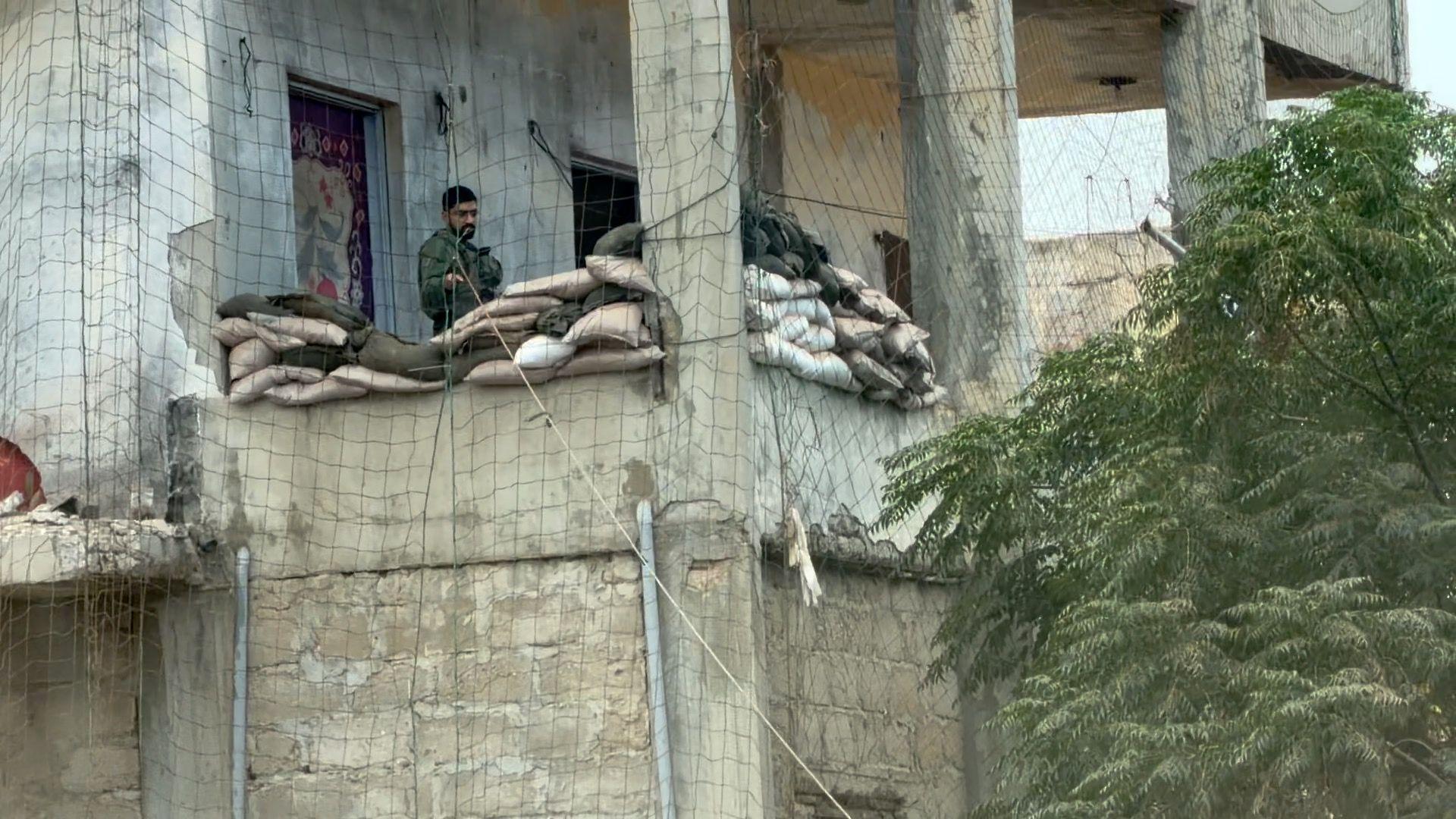
When the families first reported the situation to the Israeli army, soldiers who arrived were filmed praying with the settlers. Later, Israeli security forces withdrew a portion of the outpost, leaving about a dozen settlers on site, while the IDF issued a statement declaring that the establishment of the new outpost was "illegal, reprehensible and unacceptable".
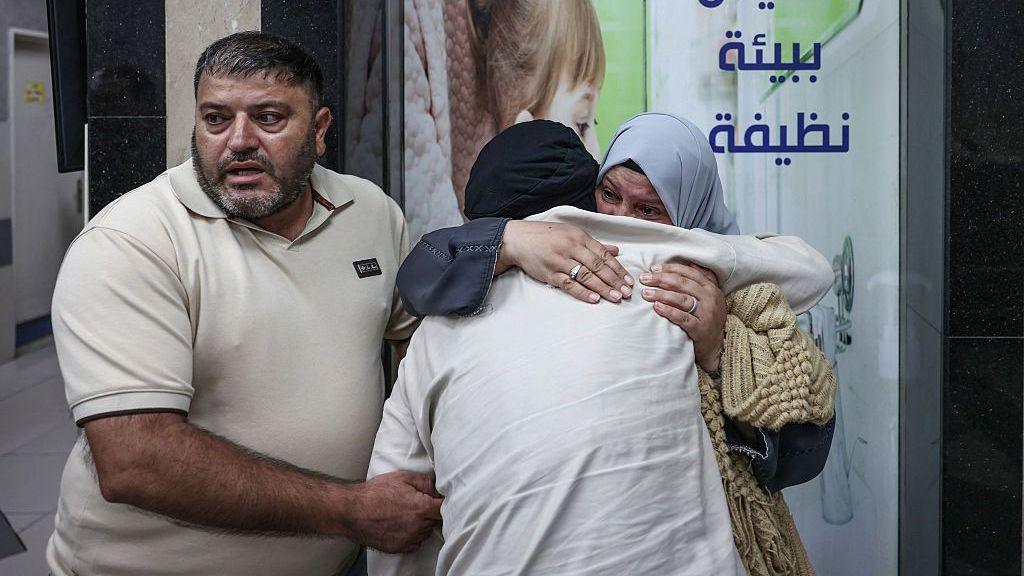
The families have been active on social media, pleading for help. Qusay Abu Ridi posted that they were "completely isolated" and that their supplies were running low, while Aysha Hassan described a situation of "fear, extremely terrified" after settlers tried to break the gate and threw stones.
Palestinian security cameras show settlers tearing down a wall outside the Abu Ridi home on Sunday evening and using stones to block the road, preventing seven people – including two young girls – from leaving. The area is part of Area B, under Palestinian administrative control but with Israeli security oversight.
Journalists from Haaretz were barred by settlers on Monday, and soldiers refused to assist until the journalists were moved from the closed military zone. The Israeli human rights group Yesh Din urged the central command to protect residents, evacuate the outpost and hold settlers accountable.
An ambulance finally reached the families late Tuesday, delivering food; one child was taken for medical treatment. Meanwhile, the IDF reported using tear gas and stun grenades during confrontations between soldiers, border police and a large crowd of settlers.
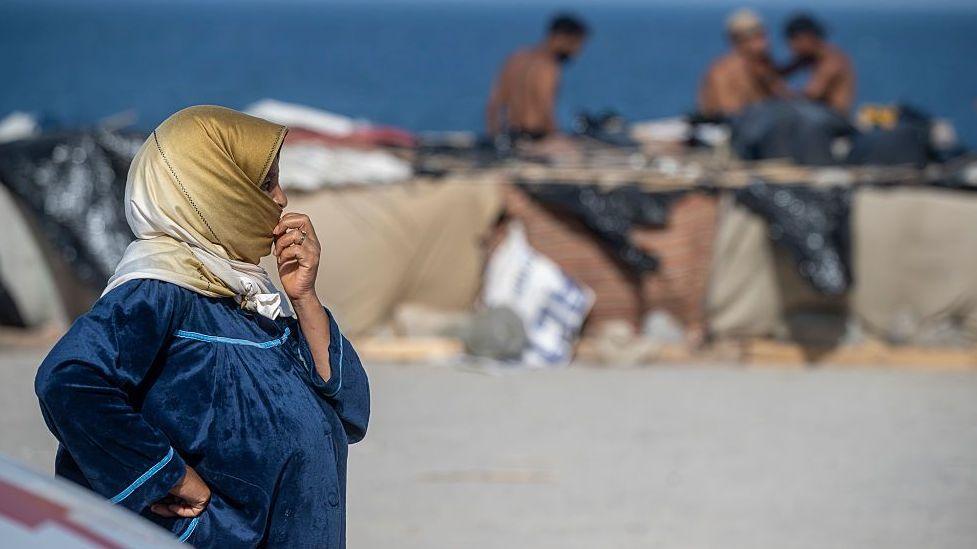
The United Nations highlighted that in 2026, about 3,800 Palestinians, nearly half children, were displaced because of settler violence, demolition and eviction. UN Deputy Special Coordinator Ramiz Alakbarov described the violence in the Nablus Governorate as unprecedented. “The West Bank is at breaking point, ” a top UN official told the Security Council.
Israel’s ambassador to the UN, Danny Danon, dismissed settlements as obstacles to peace, insisting that Israeli settlements would remain based on biblical, historic, legal claims and that the Security Council must understand that Israel "is not going anywhere". The conflict, as shown in the latest reports, continues to simmer beneath the surface, raising urgent calls for protection and accountability.