NEW YORK (AP) — The U.S. Senate is scheduled to vote on Thursday on partisan health care bills that could determine the future of expiring COVID-era subsidies essential for millions of Americans. Without an extension, subsidies supporting the Affordable Care Act will run out, forcing enrollees to confront drastically higher insurance costs in just three weeks.
Both legislation proposals are unlikely to pass, leaving the issue unresolved and casting uncertainty on health care affordability as the midterm elections approach. Political analysts suggest rising premium rates will increasingly be a focal point for American voters during the upcoming election cycle.
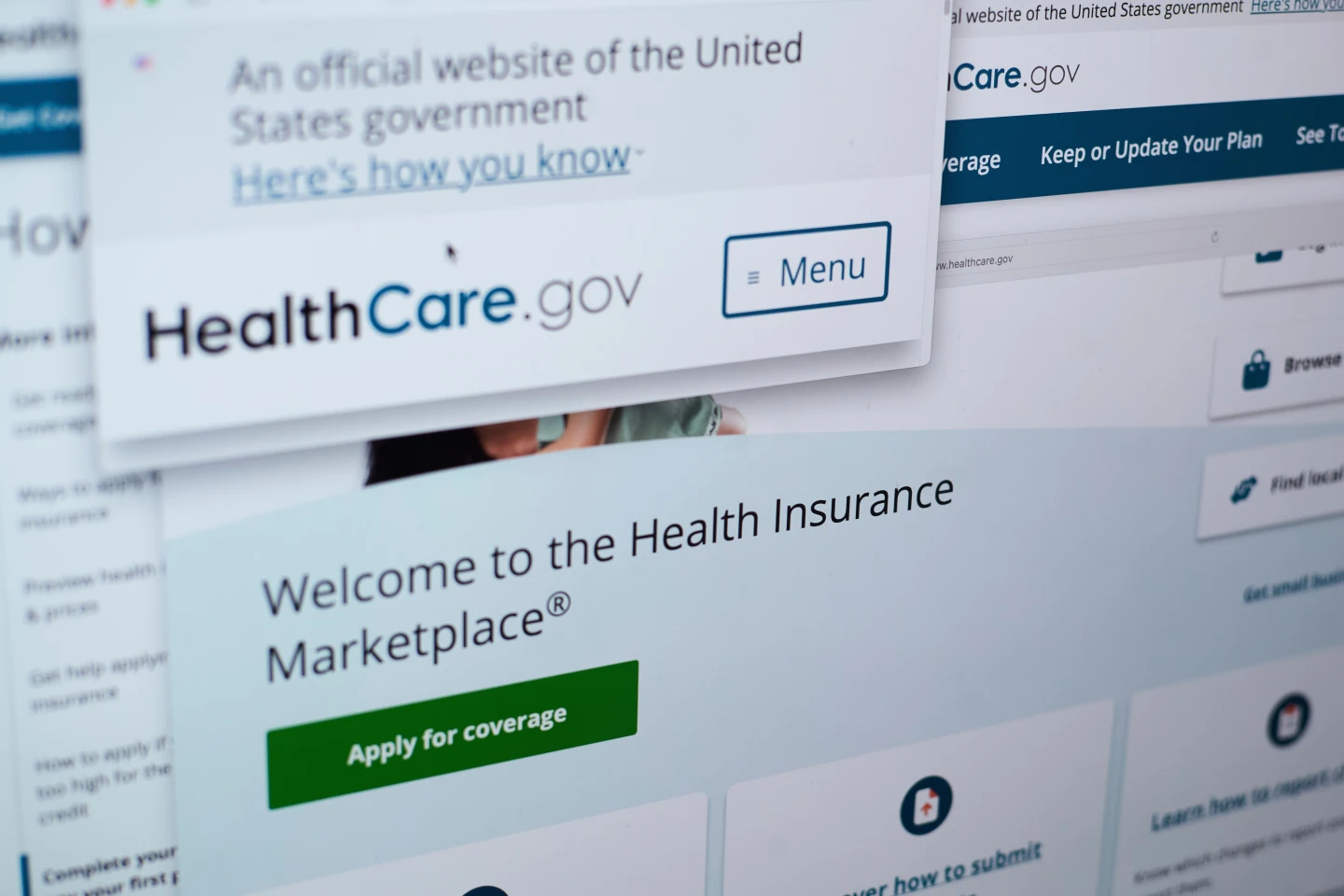
Currently, more than 24 million individuals benefit from the Affordable Care Act, which has provided essential support during the pandemic. The enhanced subsidies provided in 2021 by Congressional Democrats, which apply to all enrollees regardless of income, are set to end on January 1. Projections indicate that without these subsidies, average premium costs will surge by 114% for affected individuals.
Senate Democrats advocate for the extension of these enhanced subsidies, suggesting it would help mitigate the financial burden for millions and promote continuous coverage. Conversely, some Republicans are proposing a shift towards health savings accounts, framing it as a more empowering alternative for individuals, despite criticisms regarding its effectiveness for low-income families.
The political stakes are heightened amidst growing anxieties over health costs and voter sentiments as Congress faces a challenging landscape ahead of the midterms, with health care affordability rising as a key campaign theme.