ATLANTA (AP) — A movement among anti-tax advocates is taking shape as Republican lawmakers in various states aim to abolish property taxes on homeowners altogether. With rising property values resulting in inflated taxes, the challenge remains as to how to sustain local governments and schools which rely heavily on these revenues.
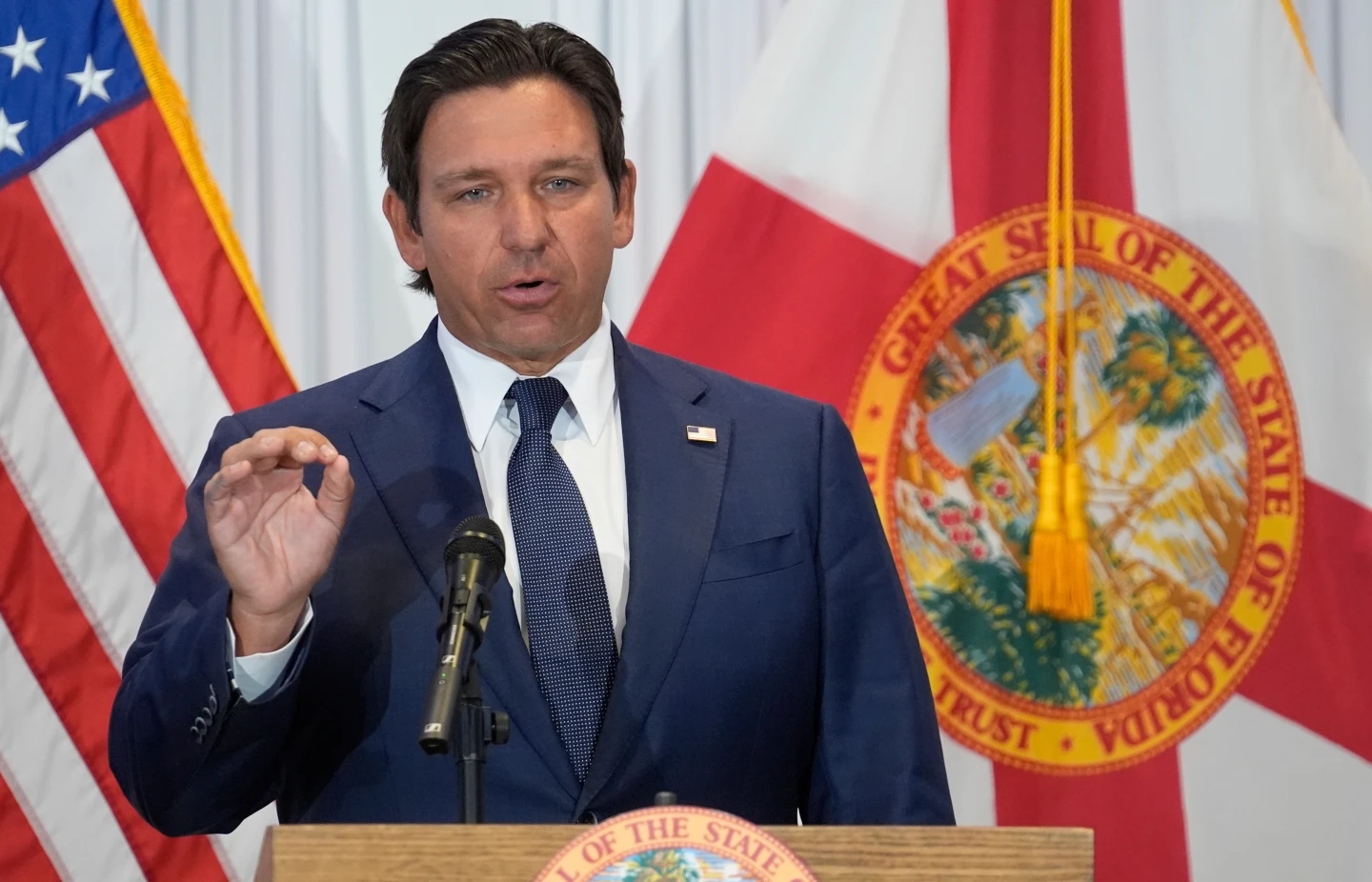
Amid this backdrop, North Dakota officials are exploring utilizing state oil revenues to gradually eliminate property taxes for homeowners. Georgia's Republican House has unveiled a complex proposal to phase out these taxes by 2032, while in Florida, Governor Ron DeSantis has similarly expressed a desire to abolish non-school property taxes for homeowners within a decade. Texas Governor Greg Abbott is also advocating for the elimination of school property taxes on homeowners.
Republican legislators argue that a lack of property tax means genuine ownership of homes, with Georgia’s House Speaker Jon Burns emphasizing no one should lose their home over unpaid taxes.

As proposals unfold, various questions linger about the impacts on local government services and whether alternative revenue sources will be sufficient to cover potential shortfalls resulting from tax eliminations.
An Election-Year Tax Revolt
States may witness further initiatives in places like Oklahoma and Ohio aimed at removing property taxes, building on a legacy of tax revolts triggered by high property values. Past encounters have led to laws such as California's Proposition 13, which limited property tax rates. Current efforts target the financial stability of retirees and fixed-income homeowners facing increasing tax burdens.
The situation remains fluid as lawmakers grapple with the complexities of tax removal and potential replacement revenues, with many advocates optimistic about a possible reallocation of existing sales taxes as part of a comprehensive solution.