In brief
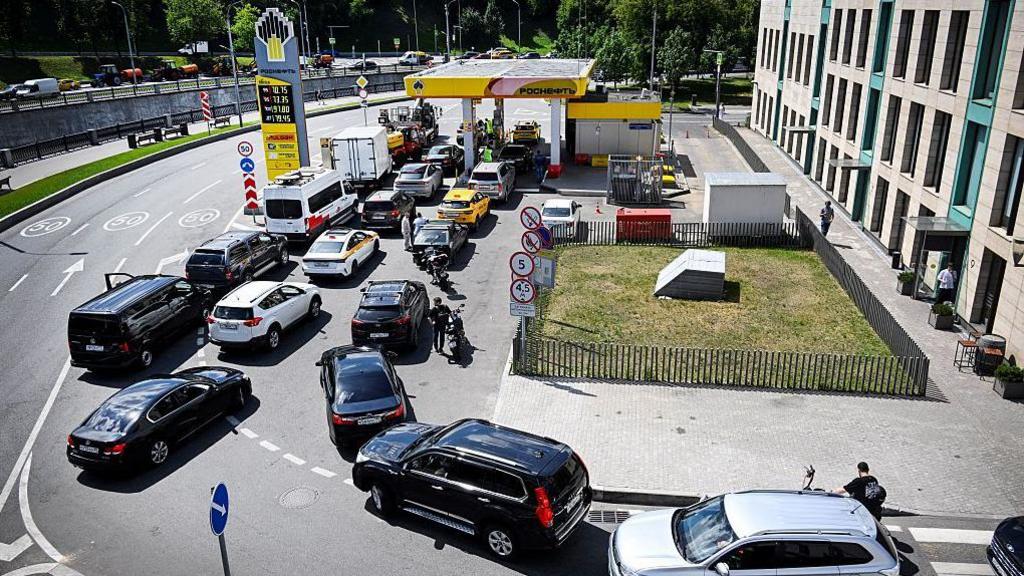
Moscow’s gas stations now resemble morgues, with commuters lining up for hours as Ukraine’s raids cripple local refineries. State‑run fuel imports are rising and subsidies are being rolled out, yet motorists fear rising prices and engine damage. Public polls now show a dip in Putin’s approval and mounting anxiety over the war’s domestic costs. Experts warn the crisis could become a turning point for domestic pressure on the Kremlin, while the leader remains determined to push forward his military objectives.
Driving through Moscow today is like a detour in a war zone – every petrol pump a frontline, every customer a civilian soldier. You step out of your car and across the pit queue, the air thick with diesel fumes and the palpable sense of collective frustration.
The crisis began when Ukrainian drones systematically hit Russian oil refineries, particularly those near the capital. A single strike can ruin weeks of production, leaving millions of litres of fuel short in a country that normally pumps more than 7 billion litres a day.
In response, Moscow has pledged to import more fuel from abroad and declared temporary subsidies to keep prices manageable. But the subsidies cover only a fraction of the shortfall, and the new lower‑grade fuel sold at a number of stations raises concerns about long‑term engine wear.
Public Morale Hits Low
Levada Centre polls show Putin’s approval around 74%, down from 81% a year ago. Gallup and the state-run VCIOM also record a slump in trust and an increase in calls for economic reform. Although many Russians still claim pride in their country’s industrial resilience, there is a growing sense that the war’s toll is crippling everyday life.
Putin’s Public Response
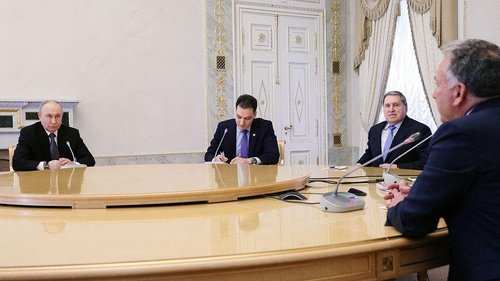
The president has appeared on state TV to deny the crisis is critical, but he also acknowledged that Ukrainian attacks “obviously create problems.” New imports and subsidies were announced, and he ordered a special task force to analyse NATO’s combat engagement in the region.
Nina Khrushcheva, a London‑based professor, cautions that more public frustration will only bring repression rather than a shift in policy. “People want to see change in the wall, but it’s likely Putin will double down,” she argues.
Economic Consequences
Macro Advisory’s Christopher Weafer predicts the fuel crisis will push Russia into a “game‑changer” for its economic growth, as supplies decline and consumer confidence erodes. A prolonged shortage could cut the domestic market’s growth prospects by decades of Ukraine conflict compared to a two‑year horizon.
In the Black Sea resort town of Anapa, Cossack guards patrol stalled roadlines, and portable toilets are now a common sight for commuters. These images underscore national anxiety over how long the crisis will last and how it may alter the public’s relationship with the Kremlin.