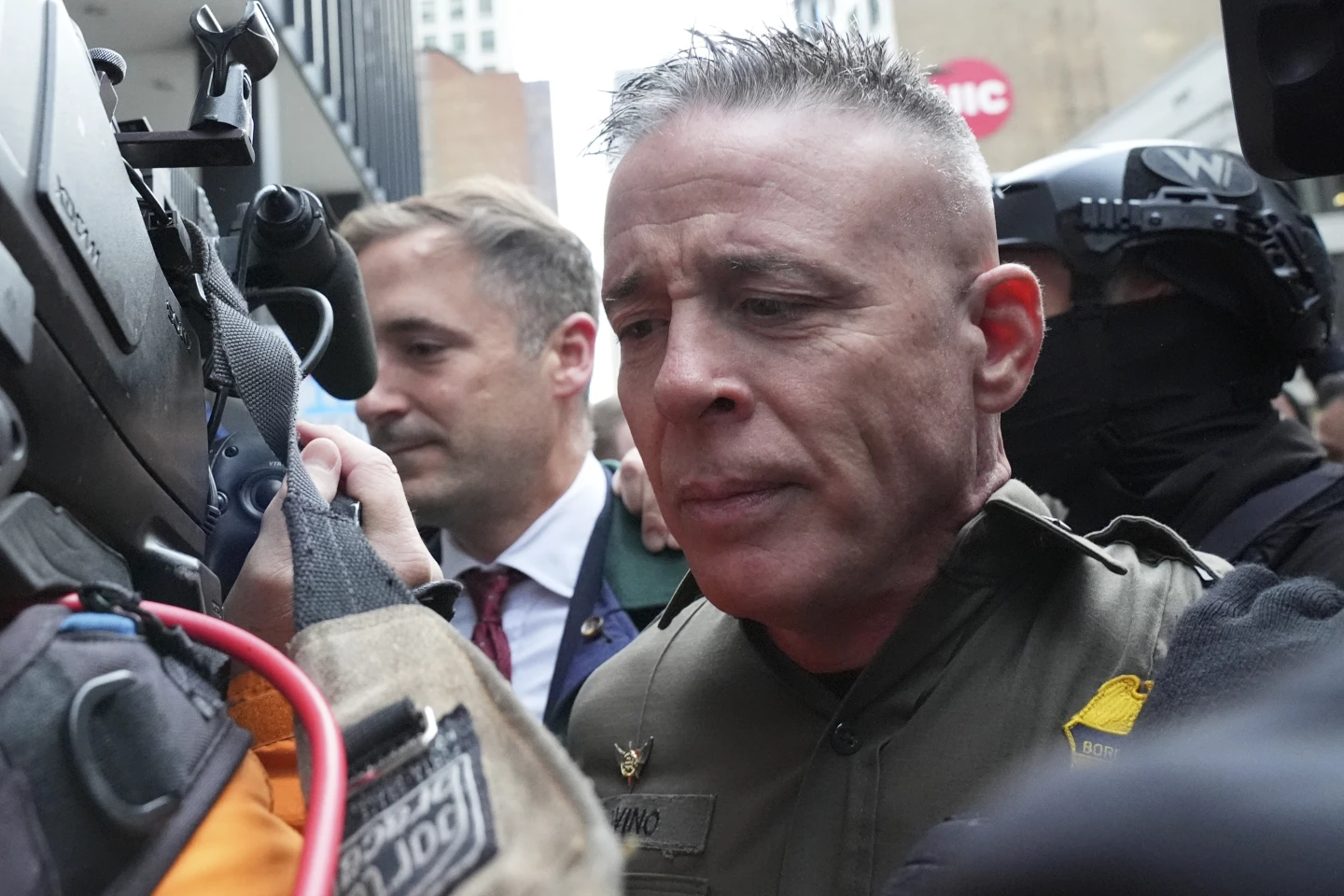
CHICAGO (AP) — Newly released transcripts of private interviews with a senior U.S. Border Patrol official and other authorities leading the immigration crackdown in the Chicago area reveal tense exchanges as leaders dodged questions about high-profile uses of force.
Greg Bovino, the Border Patrol leader behind the operation that has netted more than 3,000 arrests since September, sat for the sworn deposition over three days in late October and early November. He left Chicago this month to lead a similar operation in North Carolina and is expected to oversee another in New Orleans starting as soon as next week.
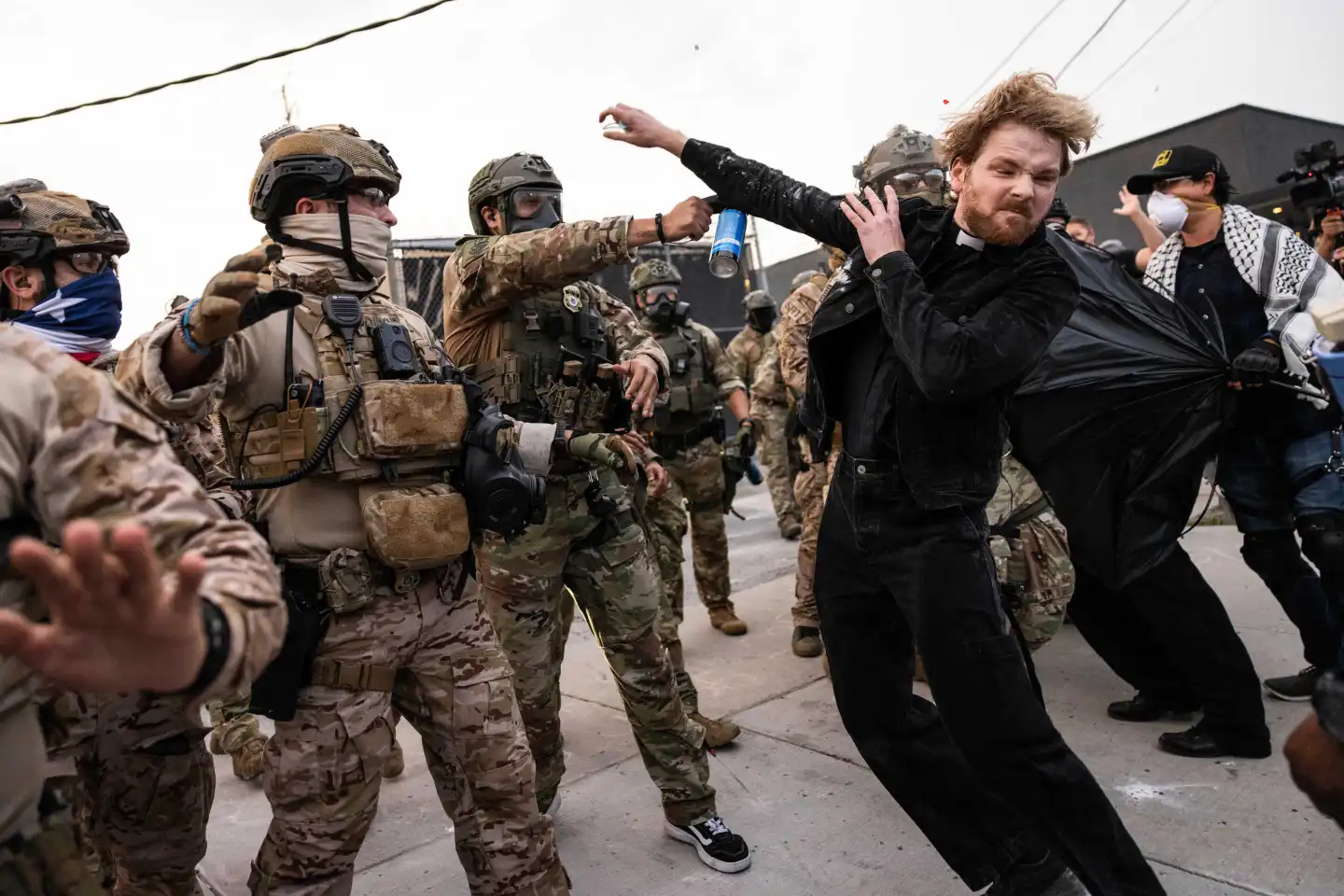
Hundreds of pages of transcripts from the deposition released Tuesday shed light on key moments noted by U.S. District Judge Sara Ellis in a blistering 223-page opinion this month in a lawsuit alleging federal agents used excessive force against protesters, journalists, and clergy members.
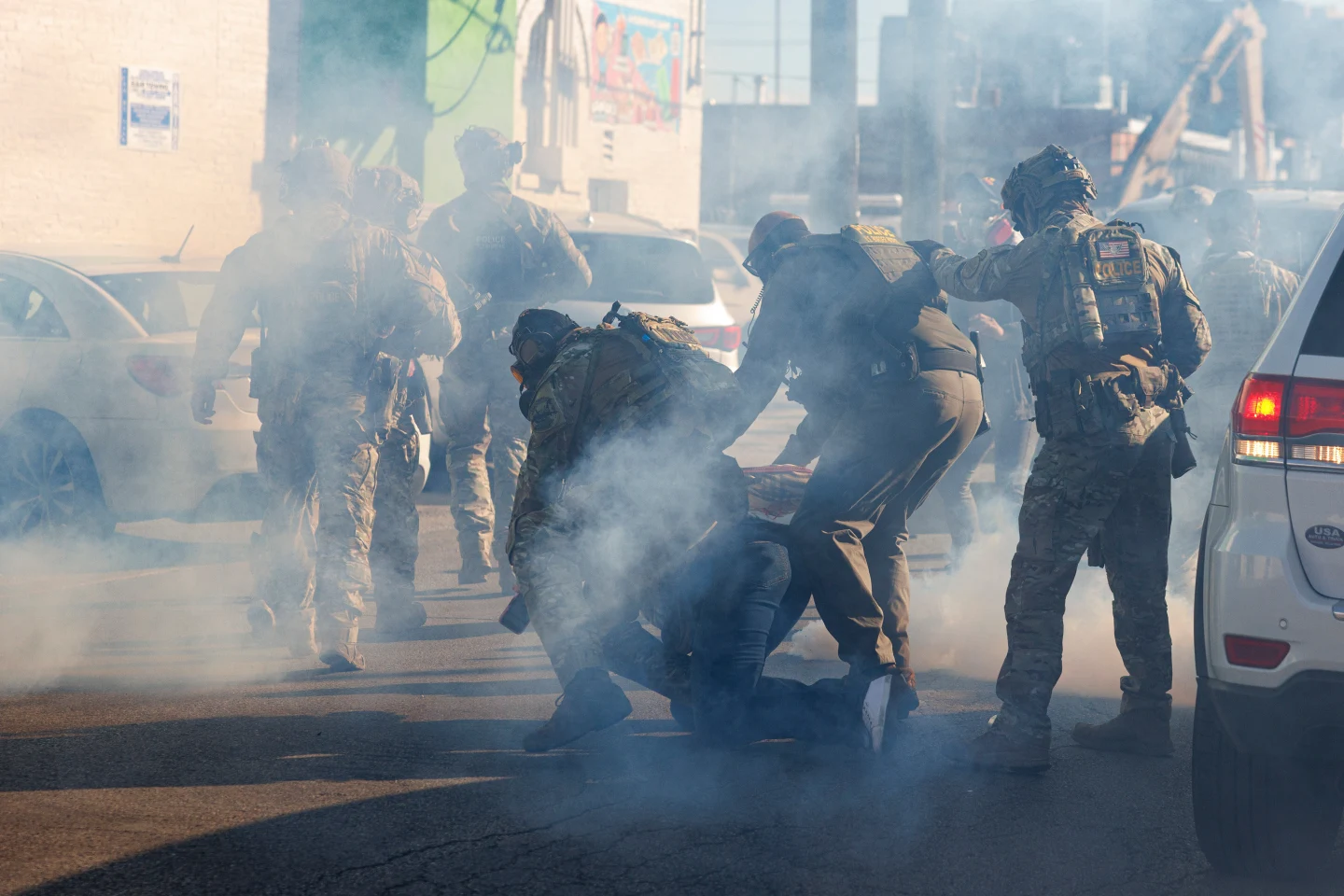
Ellis issued a preliminary injunction earlier this month restricting agents from using physical force and chemical agents like tear gas and pepper balls unless necessary to prevent 'an immediate threat.' A federal appeals court later temporarily halted the order. Tricia McLaughlin, a spokesperson for the Department of Homeland Security, called the appeals court ruling 'a win for the rule of law and for the safety of every law enforcement officer.'
The deposition was heated from its first moments as U.S. Department of Justice attorney Sarmad Khojasteh complained about an attorney representing the coalition of protesters, journalists, and faith leaders not shaking Bovino’s hand as they arrived.
‘That was noted,’ Khojasteh said on Oct. 30. 'I get your position. This is like the hill you’re going to die on here. That’s fine. Treat him with respect. Treat me with respect.'
‘Treat the process with respect, sir,’ the plaintiffs’ attorney Locke Bowman responded.
The tense standoffs between the attorneys also included Khojasteh calling Bowman a 'petulant old man' as Bowman accused Khojasteh of hindering the proceedings through constant objections.
Bovino's testimony included hours of evasive responses as he defended agents’ use of force and characterized protesters as 'violent rioters.' He was repeatedly questioned over an Oct. 23 protest where he initially claimed he used tear gas after being struck by a rock, only to later admit he had the timeline wrong and had thrown the tear gas first. U.S. District Judge Sara Ellis has accused him of lying about the incident in court.
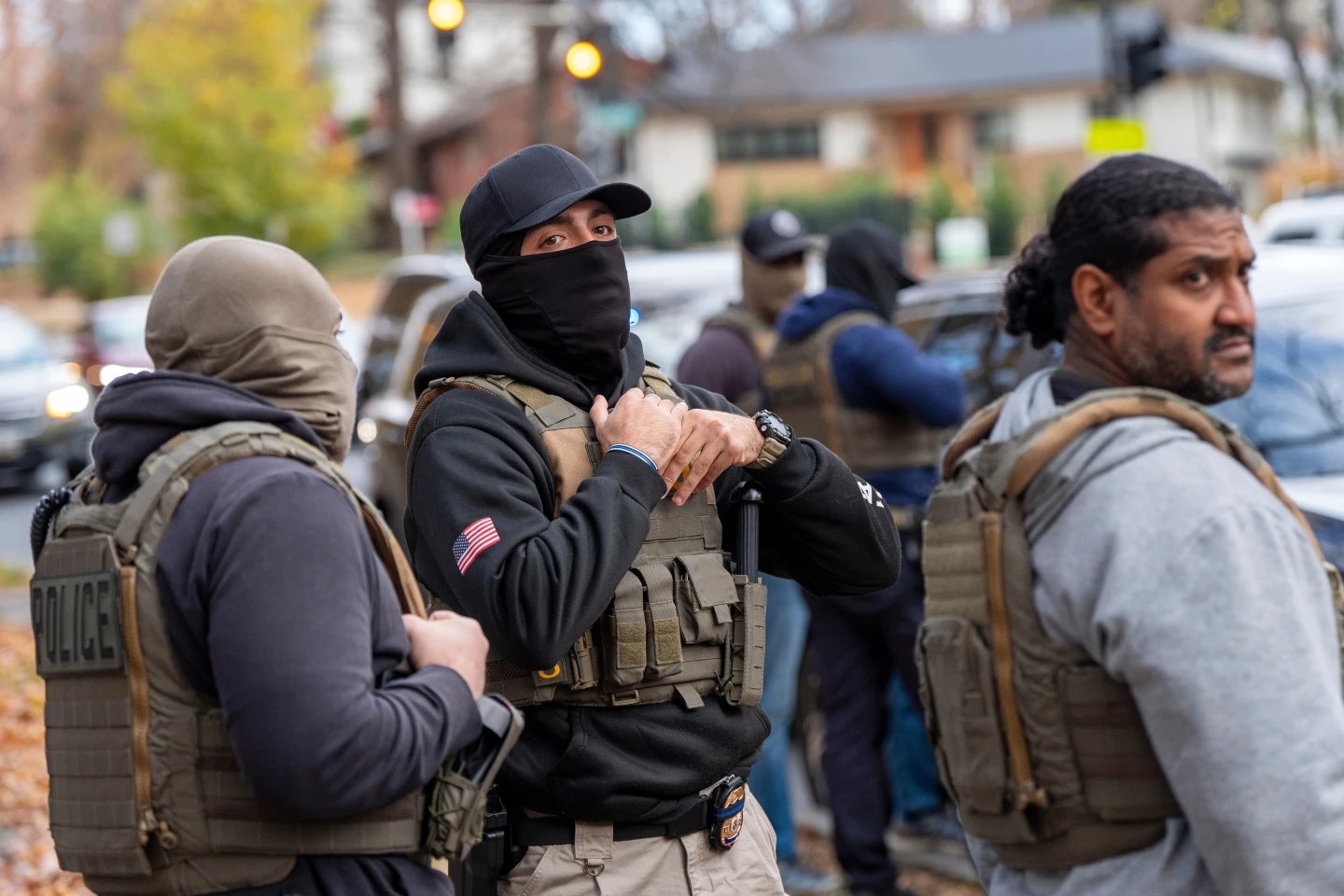
When pressed about specific use-of-force incidents, other officials like Russell Hott from ICE and Deputy Chief Patrol Agent Daniel Parra of Customs and Border Protection also displayed reluctance to address the effectiveness and appropriateness of their agents' actions, with some admitting a lack of training in handling crowd control situations—contrary to the tactics employed during recent operations.
While tensions rise in these legal proceedings, U.S. immigration enforcement strategies continue to face scrutiny, raising questions about the intersection of law enforcement practices within urban communities.
Greg Bovino, the Border Patrol leader behind the operation that has netted more than 3,000 arrests since September, sat for the sworn deposition over three days in late October and early November. He left Chicago this month to lead a similar operation in North Carolina and is expected to oversee another in New Orleans starting as soon as next week.
Hundreds of pages of transcripts from the deposition released Tuesday shed light on key moments noted by U.S. District Judge Sara Ellis in a blistering 223-page opinion this month in a lawsuit alleging federal agents used excessive force against protesters, journalists, and clergy members.
Ellis issued a preliminary injunction earlier this month restricting agents from using physical force and chemical agents like tear gas and pepper balls unless necessary to prevent 'an immediate threat.' A federal appeals court later temporarily halted the order. Tricia McLaughlin, a spokesperson for the Department of Homeland Security, called the appeals court ruling 'a win for the rule of law and for the safety of every law enforcement officer.'
The deposition was heated from its first moments as U.S. Department of Justice attorney Sarmad Khojasteh complained about an attorney representing the coalition of protesters, journalists, and faith leaders not shaking Bovino’s hand as they arrived.
‘That was noted,’ Khojasteh said on Oct. 30. 'I get your position. This is like the hill you’re going to die on here. That’s fine. Treat him with respect. Treat me with respect.'
‘Treat the process with respect, sir,’ the plaintiffs’ attorney Locke Bowman responded.
The tense standoffs between the attorneys also included Khojasteh calling Bowman a 'petulant old man' as Bowman accused Khojasteh of hindering the proceedings through constant objections.
Bovino's testimony included hours of evasive responses as he defended agents’ use of force and characterized protesters as 'violent rioters.' He was repeatedly questioned over an Oct. 23 protest where he initially claimed he used tear gas after being struck by a rock, only to later admit he had the timeline wrong and had thrown the tear gas first. U.S. District Judge Sara Ellis has accused him of lying about the incident in court.
When pressed about specific use-of-force incidents, other officials like Russell Hott from ICE and Deputy Chief Patrol Agent Daniel Parra of Customs and Border Protection also displayed reluctance to address the effectiveness and appropriateness of their agents' actions, with some admitting a lack of training in handling crowd control situations—contrary to the tactics employed during recent operations.
While tensions rise in these legal proceedings, U.S. immigration enforcement strategies continue to face scrutiny, raising questions about the intersection of law enforcement practices within urban communities.