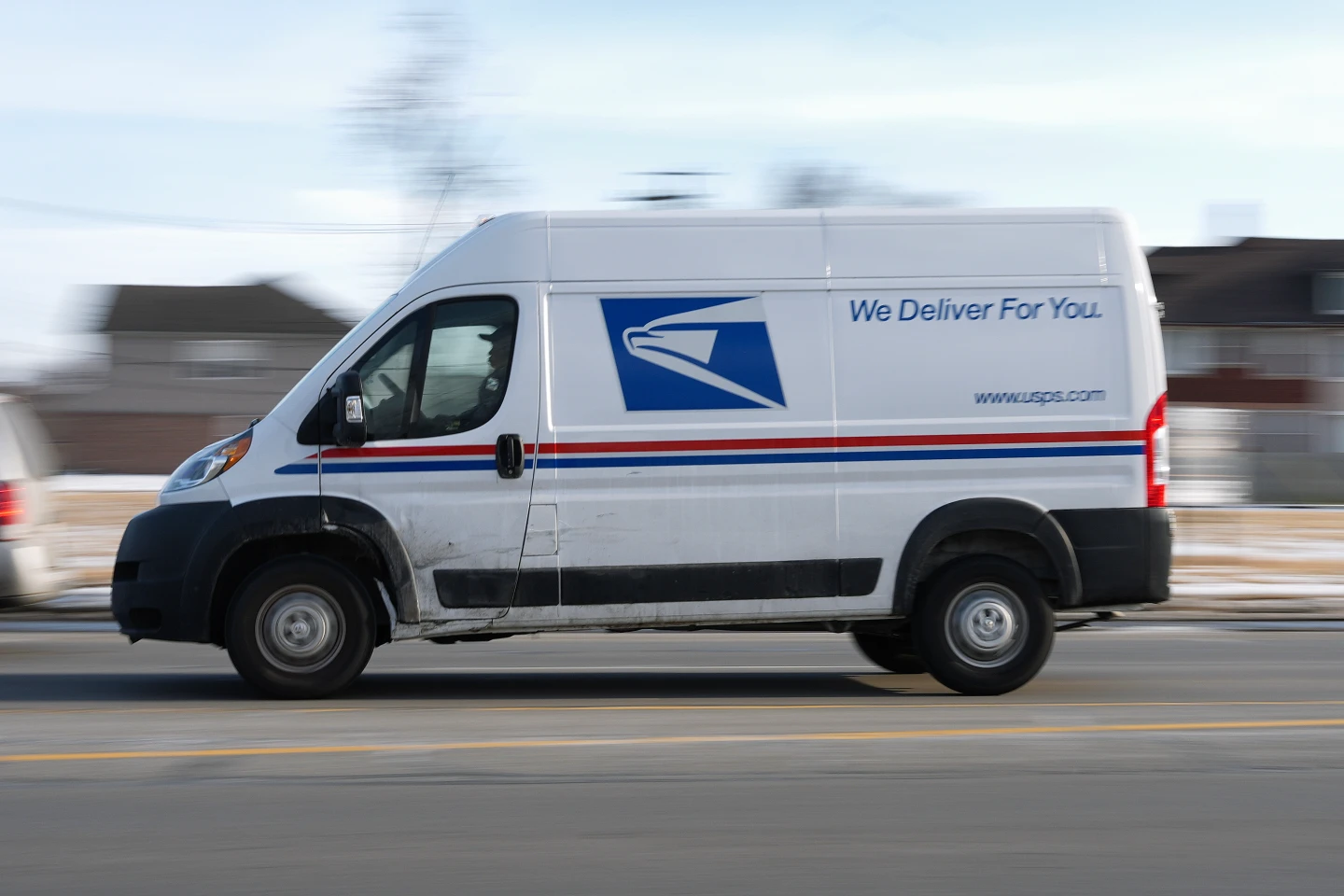
HARTFORD, Conn. — As a general rule, suing the U.S. Postal Service (USPS) for lost, delayed, or mishandled mail is challenging. However, a case currently before the U.S. Supreme Court may challenge that norm.
The case involves Lebene Konan, a landlord from Texas, who claims her mail was intentionally withheld for two years, alleging racial discrimination by USPS employees. The postal service warns that ruling in favor of Konan could lead to a surge of lawsuits regarding missing or delayed mail, particularly relevant during the holiday season when mail volume significantly increases.
The core issue at play is whether the existing exemption that protects USPS under the Federal Tort Claims Act applies when employees purposefully fail to deliver mail. During oral arguments, Federal Solicitor General Frederick Liu cautioned that such a ruling could prompt a concerning wave of litigation over everyday mail issues.
The Federal Tort Claims Act typically allows individuals to sue the federal government for damages caused by negligent actions of federal employees. However, specific exemptions exist for USPS regarding complaints about lost or misdirected mail. The phrases used in these exemptions have become central to the arguments in this case.
Last month, some justices seemed to doubt the government's assertion that USPS is shielded from claims of intentional misdelivery. Justice Samuel Alito expressed concerns about the consequences of potential frivolous lawsuits flooding the court, questioning if the cost of postage would rise dramatically as a result.
Konan's allegations are backed by a history of complaints against the local USPS office after her mailbox key was changed without her knowledge. She claims that employees discriminated against her and her tenants based on her race, leading to denied access to important correspondence, including medications and rental documentation.
The case, which has already gone through several courts, holds potential implications not only for USPS but also for mail service accountability in the United States. The appellate court recently found that allegations against Konan did not categorically fall under the USPS exemptions, allowing her claims to proceed.
With a decision expected next year, the outcome may significantly impact how mail delivery issues are addressed legally, as Konan and her legal team continue to advocate for accountability in postal service operations.