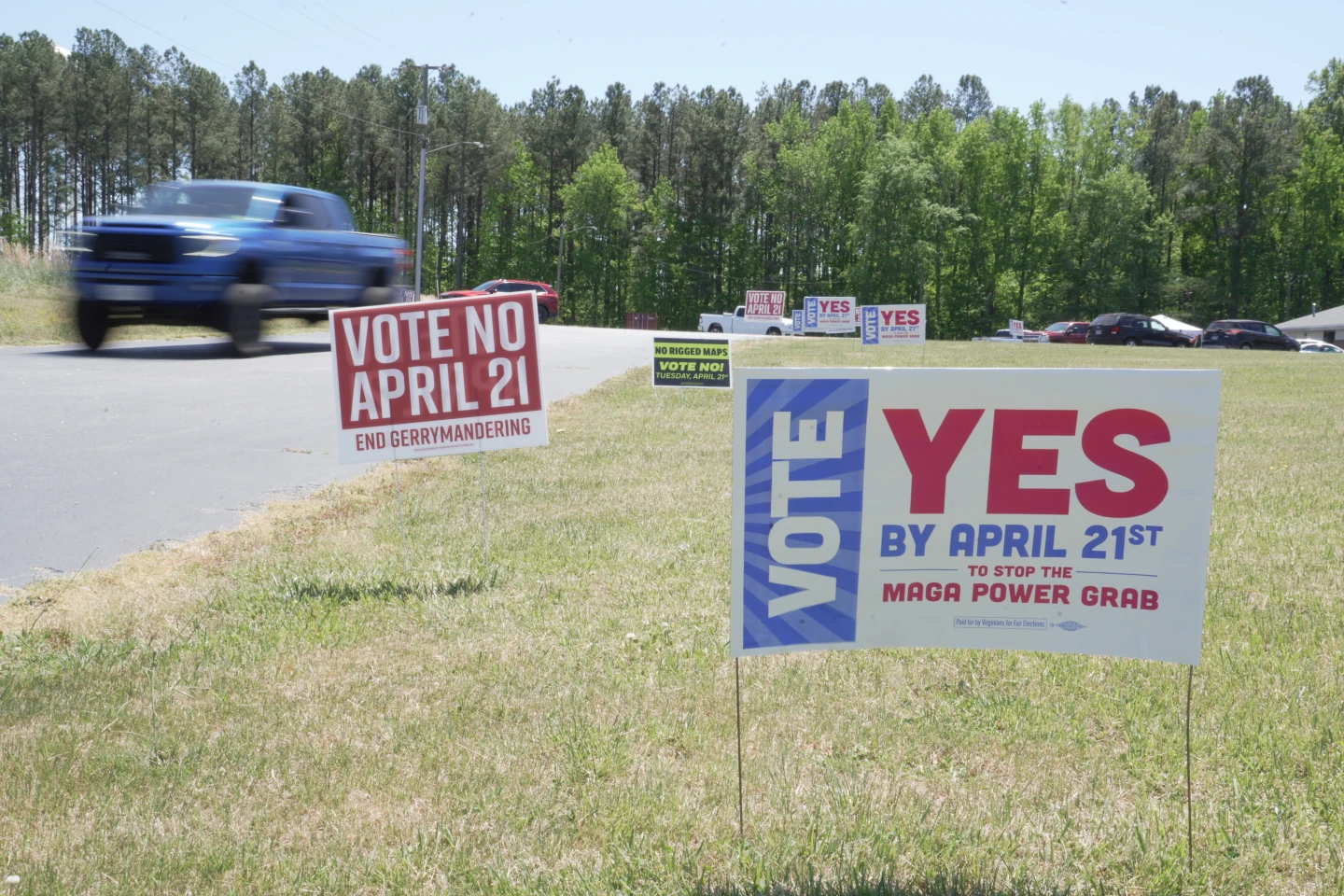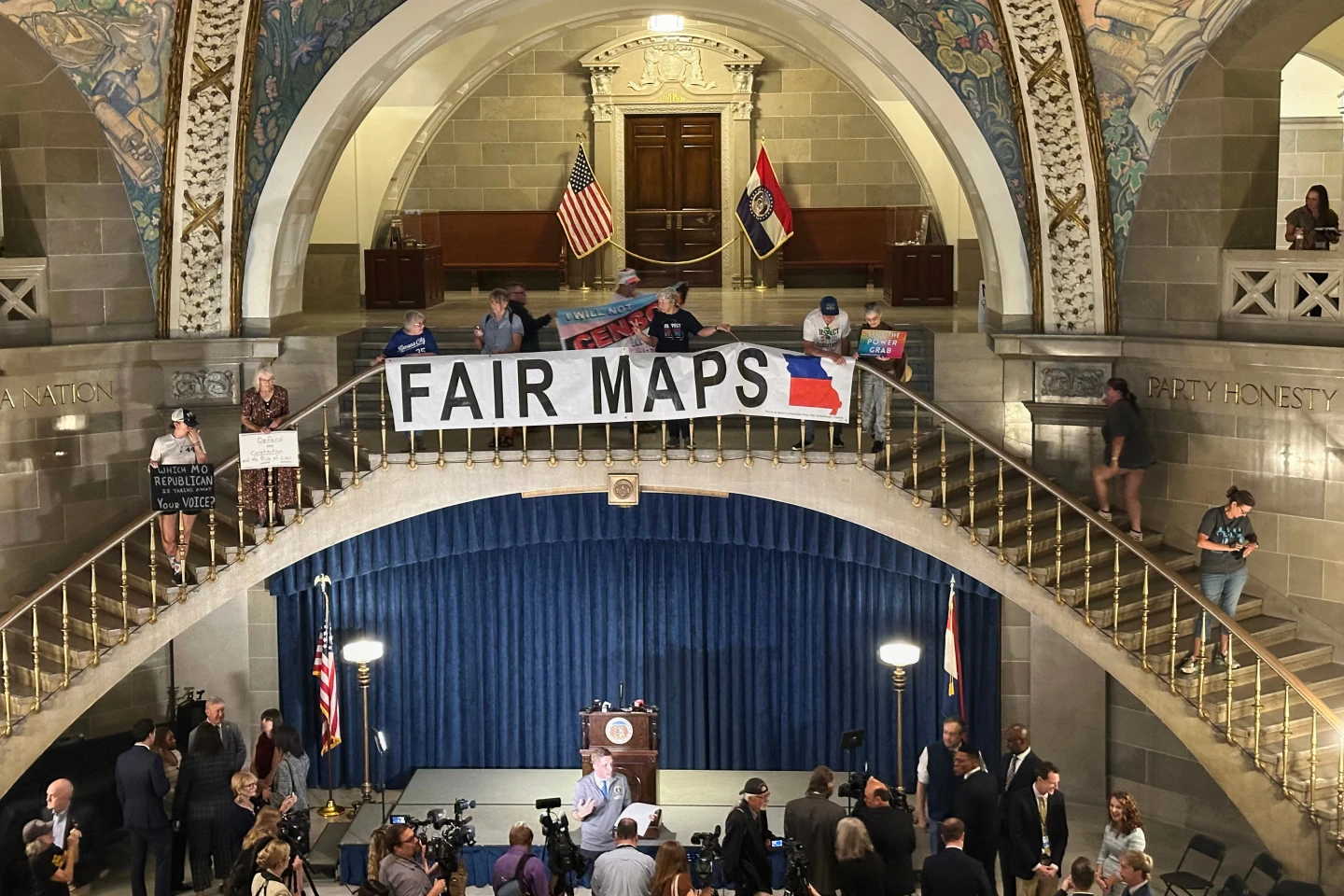
Indiana's recent redistricting discussions highlight a growing conflict over what constitutes fair congressional maps. In 2019, when new U.S. House districts were established, they were touted as equitable representations of Indiana's diverse communities. Yet, following significant political shifts and pressure from Governor Mike Braun and former President Trump, calls for a revised map have sparked fierce debate.
Under current national trends, both major parties are redefining fairness, often using partisan motives to justify district boundaries that can fracture communities and skew electoral representation in favor of one party over another. This contentious environment is reducing the political voices of minority populations while promoting a winner-takes-all mentality traditionally associated with Senate elections rather than the House's historic diversity.
Despite a failed attempt to pass a new gerrymandered map in Indiana that would have benefitted Republicans, the conversation surrounding redistricting remains critical. With states like California and Texas undergoing their own changes, many are looking ahead to the 2026 midterms, where these adjustments could impact the overall control of Congress.
Critics warn that failing to address equitable representation risks silencing the interests of various demographic groups, fundamentally undermining the American democratic process. As experts note, the broad implications of these changes echo far beyond state lines, impacting how effectively diverse voices can contribute to national discourse.