In brief
In Rawalakot, a 4.5 million‑strong city in Pakistan‑administered Kashmir, protests over rising electricity, food and education costs have escalated into gunfire, leaving dozens dead and wounded in the last two months. A makeshift clinic set up in a spare bedroom on the outskirts has become a desperate lifeline, treating many critically injured protesters while the local government keeps its distance and denies indiscriminate violence. Families of the wounded recount the fear that walking to a hospital could trigger arrest or lethal force. The protests, organized by the Joint Awami Action Committee (JAAC), demand implementation of a 2015 agreement on basic rights, yet the government claims the group is armed and has been banned for alleged foreign funding. As Rawalakot remains locked by blocked roads and sporadic shooting, the city’s people face a chilling reality of limited medical care, scarcity of food, and growing uncertainty about future elections.
Rawalakot, a 4.5‑million‑strong city in Pakistan‑administered Kashmir, has been caught in a storm of protests that have turned increasingly bloody. In the past two months, dozens of demonstrators have been killed as security forces clash with protestors mobilised by the Joint Awami Action Committee (JAAC) who demand fair electricity, better education and accessible health care.
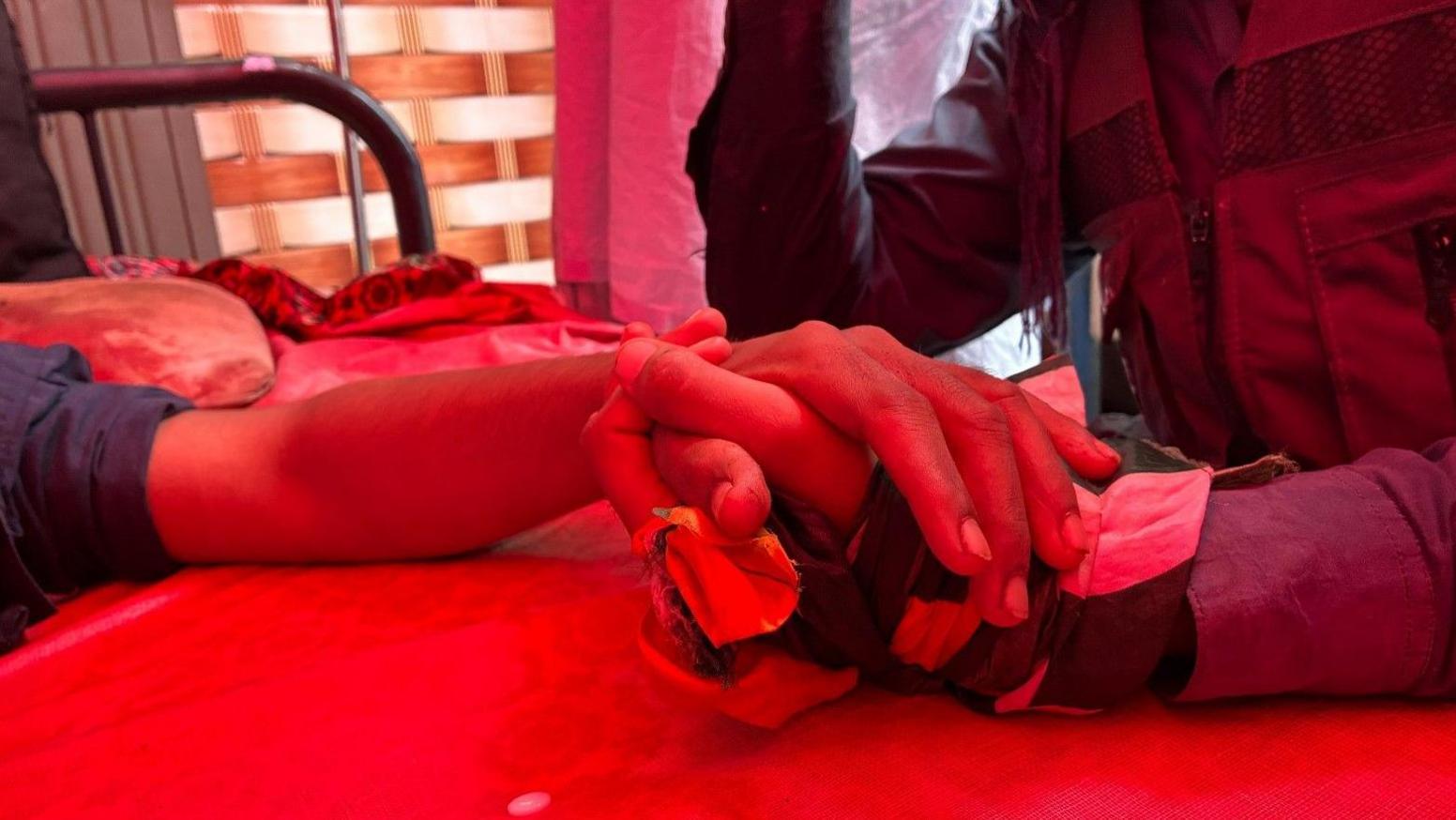
A tiny makeshift clinic set up in a spare bedroom on a suburban plot stands as a bare‑bones lifeline. The doctor, known as 'Dr Anwar', can only manage first‑aid, clean wounds and remove superficial bullets; more serious injuries such as chest or abdominal trauma require advanced care that the city’s main hospital urgently lacks. Since July 27, the clinic has treated 50 to 60 critically injured protestors, with Dr Anwar personally caring for 15 to 20 of them.
Families sit beside their wounded relatives, fearful that searching the city for formal health care could expose them to arrests or entanglement with security forces. "We are only asking for affordable food and basic rights," one protestor’s friend Ali cries, wiping tears from his face as his friend Shafqat Hussain lies bleeding on a sheet.
The protestors say the government failed to implement a February 2015 agreement on basic services, while authorities claim the JAAC is a foreign‑funded militant group and that shooting was aimed only at violent elements. "The authorities are telling us they don't want protesters to march to the regional capital," a local resident says.
The situation is further pressured by a blockade of roads outside Rawalakot, alleged to be erected by the JAAC, and by limited internet access, making it hard for outsiders to verify what is happening. Despite claims that food and medical supplies can still enter the city, many shops remain closed, and residents are forced to share scarce resources.
The human cost of these protests is growing—families are losing sons and sisters who believed standing up for justice was an honour. Yet the exact dynamics of the violence remain unclear, with security forces pointing to gunshots that may have come from unknown sources. In Rawalakot, the press has struggled to move beyond this drama and into deeper reporting.
The upcoming local elections in the region, a demographic force in the region’s future politics, create a volatile backdrop that could explain why the government is keen on restoring control. In the meantime, the makeshift clinic remains the only place civilians can receive any medical attention, while the city’s people hope for an end to the relentless shooting and a clear path to justice that will help them survive.