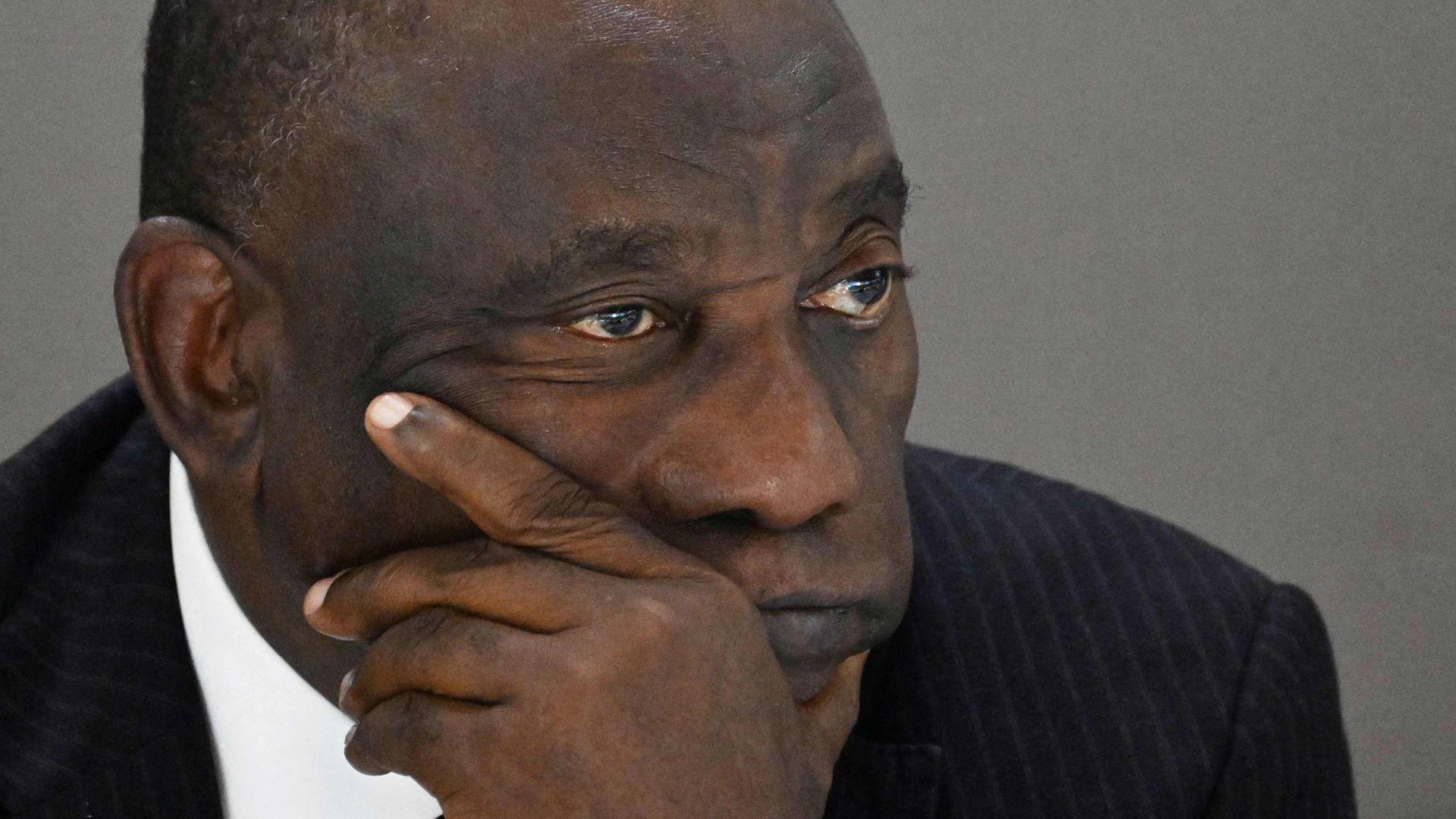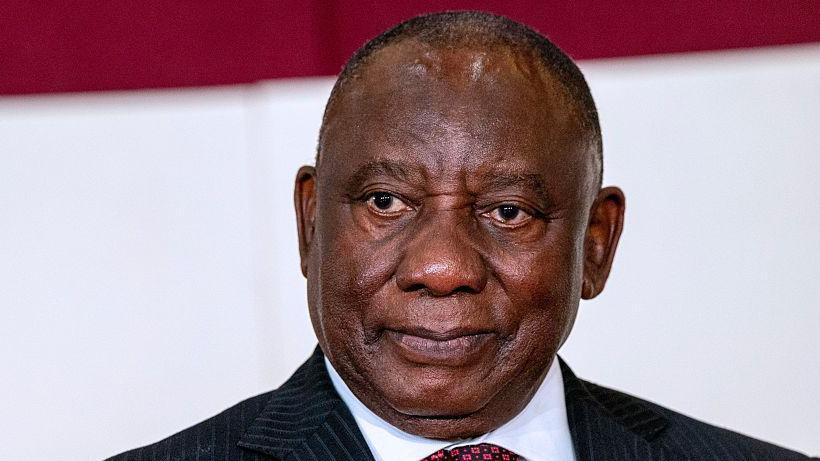
South African President Cyril Ramaphosa has secured a temporary injunction from the Constitutional Court that halts the parliamentary inquiry into the so‑called “Farmgate” scandal, a theft that unfolded at his private farm in Phala Phala in 2020.
In 2022 an independent panel concluded that Ramaphosa might face an impeachment case after burglars stole an estimated US$580,000 in cash hidden inside a sofa. The president denied any wrongdoing and, when parliament voted against establishing the inquiry, the Constitutional Court later ruled that the shelving of the panel’s report had been unlawful.
The court’s May ruling opened the door for the impeachment process, but the president has now taken the matter to a separate trial set for September, arguing that the panel misinterpreted its mandate and the evidence presented to it.
The injunction means the parliamentary committee cannot proceed with hearings until Ramaphosa’s case is resolved, giving him time to contest the findings and potentially exonerate himself. Critics, however, see the move as a strategic use of the courts to interfere with a legitimate political probe. Opposition parties like the Democratic Alliance and uMkhonto weSizwe have called the decision “unanticipated” and "politically motivated," whereas the ANC praised the ruling and urged the media to avoid sensationalism.
As South Africa's coalition government has further lost parliamentary majority since the 2024 elections, the outcome could signal a turning point in the country’s political landscape, shaping whether the president remains in office.