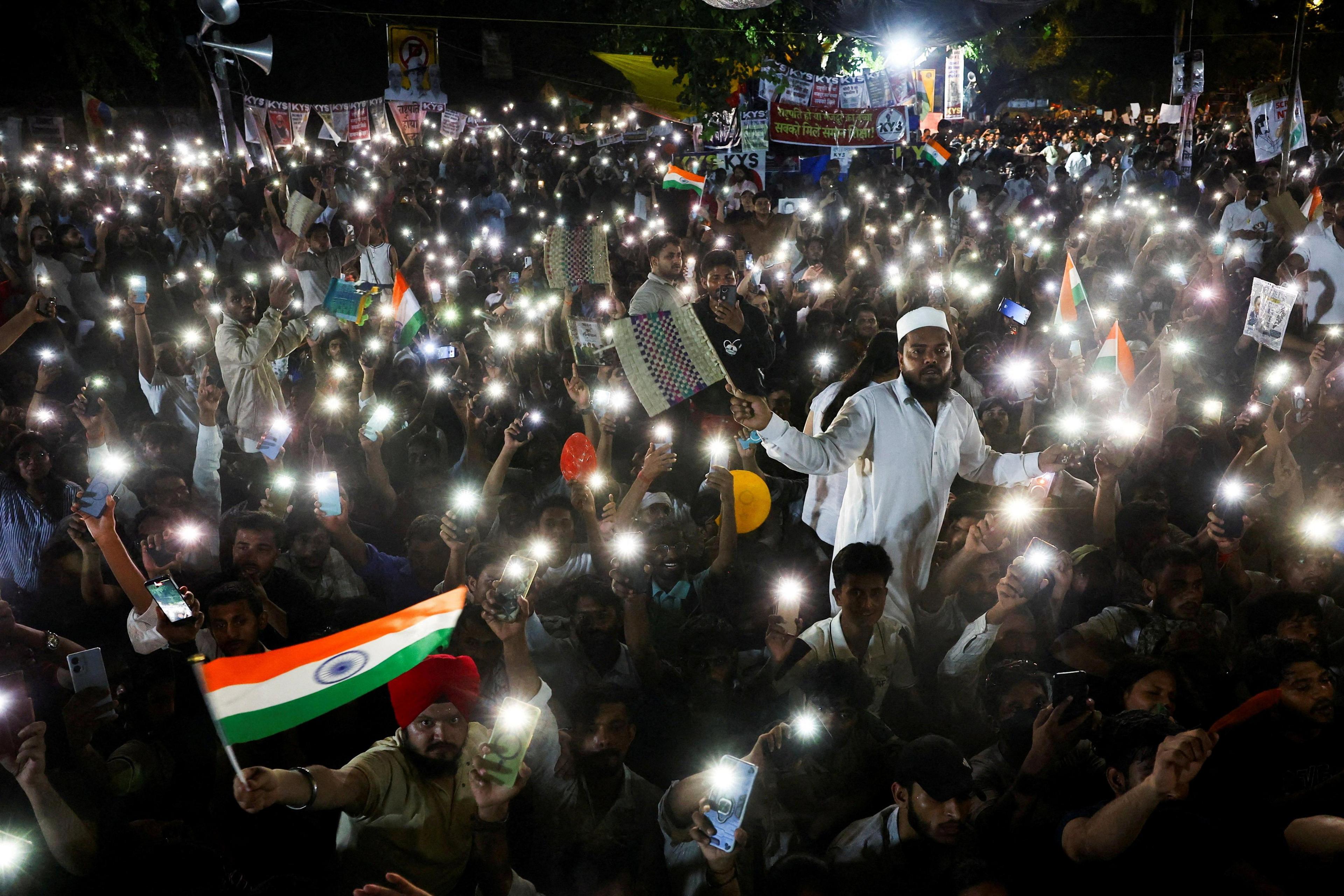
In the early hours of 20 July, the Delhi capital witnessed thousands of Congress Junior Players (CJP) rallying outside Parliament demanding education reforms and the resignation of the education minister. When the police and paramilitary forces attempted to disperse the crowd, footage captured officers raising firearms that fired a spread of pellets, confirmed by forensic experts.
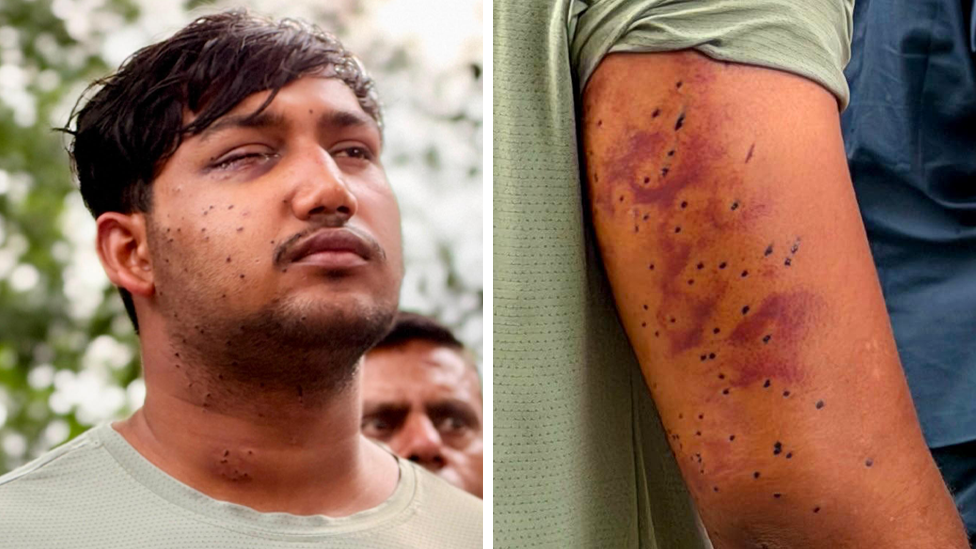
Dr. Philip Boyce, a UK‑based ballistics scientist, stated that the small, round wounds seen on protestors’ foreheads, arms, and chest are unmistakably caused by a 12‑gauge shotgun loaded with birdshot. He noted that while pellets are lethal from close range, even shots delivered from 50 to 100 feet can inflict serious injury.
Medical reports from Delhi’s Safdarjung hospital show a 28‑year‑old journalist had 26 pellet wounds in his right elbow and four in his upper back, and a Gujarati businessman carried more than 40 pellets throughout his body – including three lodged deep in his neck and left eye muscle. After initial surgery, five pellets were removed, leaving one too deep to be extracted safely.
Police statements deny the use of pellet guns and claim only tear gas was deployed, while the Central Reserve Police Force and the Rapid Action Force remain silent on the matter. With no official confirmation, the allegations remain under investigation, but the evidence suggests a new escalation in civil‑rights abuses in the city.
As the protest continued, opposition leader Rahul Gandhi called for the dismissal of Home Minister Amit Shah, highlighting the need for transparency and accountability around the use of crowd‑control weapons. Meanwhile, independent experts await official forensics to conclusively determine the origin of the pellet wounds, as India’s domestic use of such firearms had not been documented in its capital city until now.