Ramaphosa Secures Temporary Halt to Farmgate Impeachment Probe
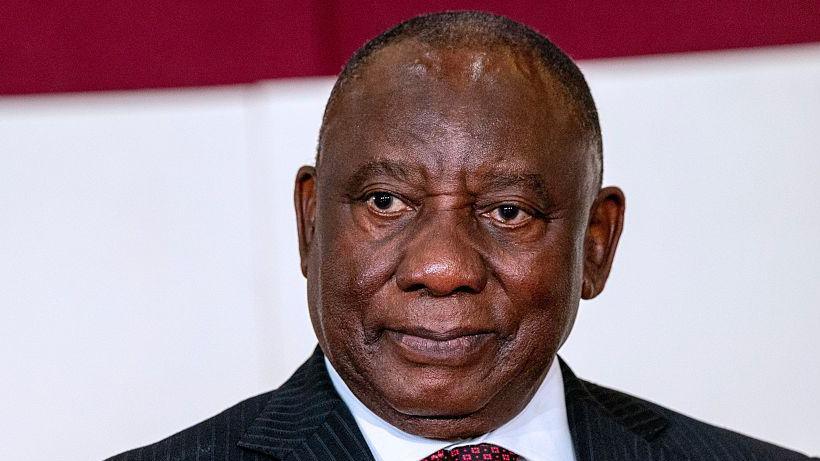
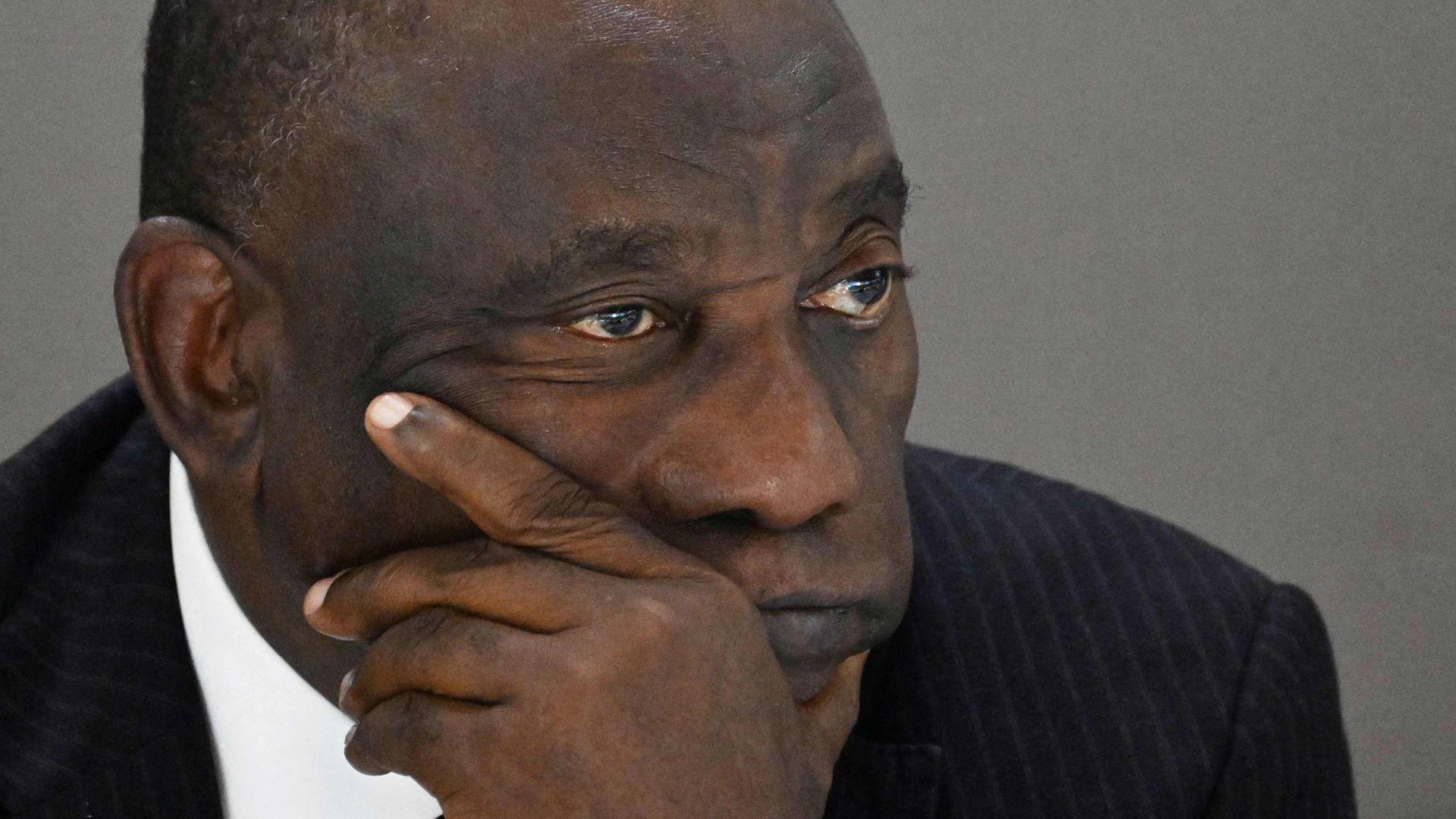
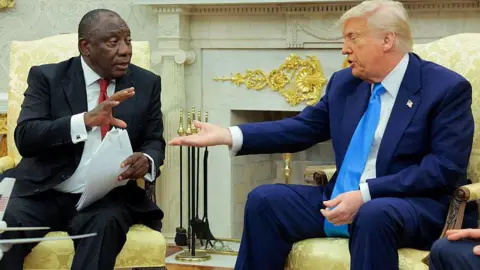
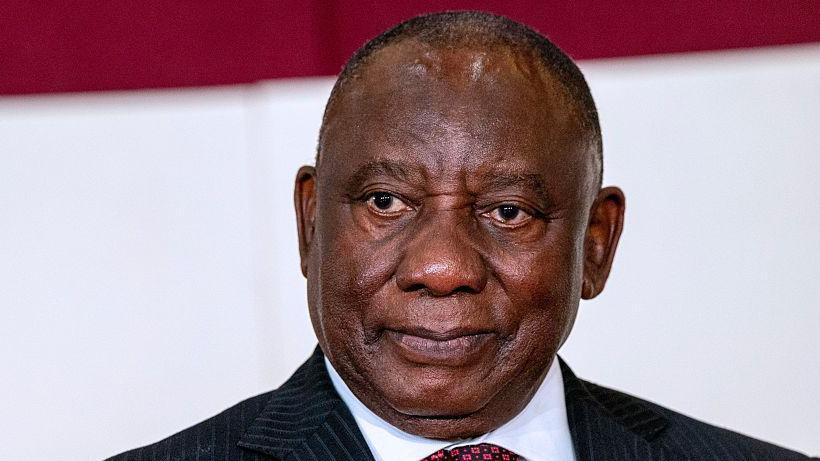
In a landmark court decision, South Africa’s higher courts granted President Cyril Ramaphosa a temporary freeze on the parliamentary inquiry into the Farmgate scandal, a move that will delay potential impeachment proceedings until the president’s pending lawsuit is resolved.
The Farmgate controversy began in 2020 when burglars allegedly stole approximately 580,000 USD from president Ramaphosa’s private farm, an incident that was later highlighted by former spy chief Arthur Fraser. The theft was discovered after a confidential dossier was forwarded to police, raising questions about whether the money was hidden and whether the president disclosed it to tax authorities.
In 2022, an independent panel concluded that the president might face an impeachment case, citing gaps in the chain of custody and potential misuse of funds. When Parliament voted to shelve the panel’s report, the Constitutional Court ruled in May that the move was unlawful, clearing the path for a reinstated impeachment scrutiny.
Ramaphosa’s legal team filed a case in the Western Cape court, arguing that allowing the committee to proceed before his own lawsuit could inflict irreparable reputational harm. Three judges reviewed the appeal, and a majority decided that the inquiry must pause until the court reached a final verdict in Ramaphosa’s case, scheduled for September.
The ruling comes at a time when the African National Congress now governs a fragile coalition, and the political margins for the ruling party have narrowed. Political observers note that the decision may embolden opposition parties, while supporters claim that it protects due process for the president.
Reactions have been mixed. The Democratic Alliance welcomed the order but insisted the committee would “continue with preparatory work.” In contrast, the opposition uMkhonto weSizwe (MK) accused the president of squeezing the proceedings through the courts. The ANC positioned itself as a proponent of “politically unbiased” jurisprudence.
If the investigation resumes after September, it would revisit charges of theft, concealment, and alleged breach of foreign‑currency control laws. The case underscores the intricate balance between executive accountability and legal safeguards.
For deeper coverage, subscribe to OnPoint’s live analysis series and share your thoughts via comments below.