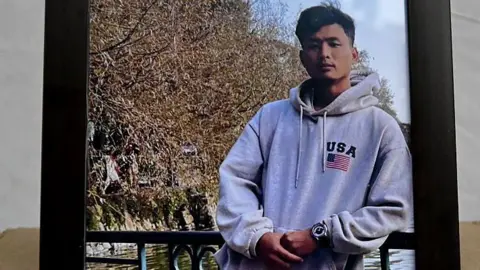
The northern Indian city of Dehradun, located in the Himalayan foothills, was shaken by a violent incident weeks ago.
Brothers Anjel and Michael Chakma - students who had migrated more than 1,500 miles from the north-eastern state of Tripura for studies - had gone to a market on 9 December when they were confronted by a group of men, who allegedly abused them with racial slurs, their father Tarun Chakma told the BBC.
When the brothers protested, they were attacked. Michael Chakma was allegedly struck on the head with a metal bracelet, while Anjel Chakma suffered stab wounds. Michael has recovered but Anjel died 17 days later in hospital, he says.
Police in Uttarakhand state have arrested five people in connection with the incident, but they have denied that the attack was racially motivated - a claim that Chakma's family strongly disputes.
The incident, which has triggered protests in several cities, has put the spotlight on allegations of racism faced by people from India's north-eastern states when they move to larger cities for education or work. They say they are often mocked over their appearance, questioned about nationality and harassed in public spaces and workplaces.
For many, the discrimination extends beyond abuse to everyday barriers that shape where and how they live. People from the region report difficulty renting accommodation, with landlords refusing tenants because of their appearance, food habits or stereotypes.
Such pressures have led many north-eastern migrants in large cities to cluster in specific neighbourhoods, offering safety, mutual support and cultural familiarity far from home.
But while many say they learn to endure everyday prejudices to build lives elsewhere in the country, violent crimes such as Anjel Chakma's killing are deeply unsettling. They reinforce fears about personal safety and a sense of vulnerability, they say.
India has seen many high-profile cases of racial violence involving people from the north-eastern region over the last several years.
The killing of Nido Tania in 2014 became a national flashpoint, prompting protests and widespread debate about racism after the 20-year-old student from Arunachal Pradesh state was beaten to death in Delhi following taunts about his appearance.
But activists say it did not mark an end to such violence.
Rights groups say there are many such incidents that do not grab national attention.
While awareness about the north-eastern region and the racism people from there face have improved over the years, casual racism persists, they say.
“How do we look Indian enough? Sadly, there are no clear answers,” says Alana Golmei, member of a monitoring committee set up by the federal government in 2018 in the wake of increasing complaints of racial violence in Indian cities.
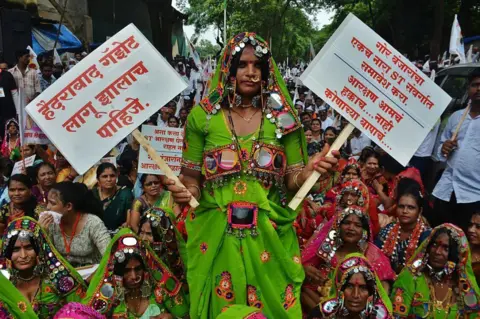
The killing of Anjel Chakma has renewed calls for a specific anti-racism law. Several student and civil society groups have issued open letters demanding legal reform. The federal government in its annual crime reports does not maintain separate data for racial violence.
An anti-racism law could empower victims, improve reporting, and place racial abuse clearly within the scope of criminal accountability. Meanwhile, in Tripura, Tarun Chakma mourns his elder son while facing uncertainty over his younger one: Michael, a final-year sociology student, is expected to return to Dehradun to complete his studies.