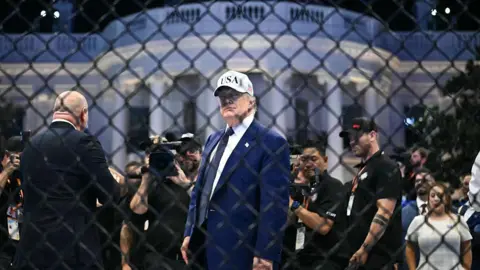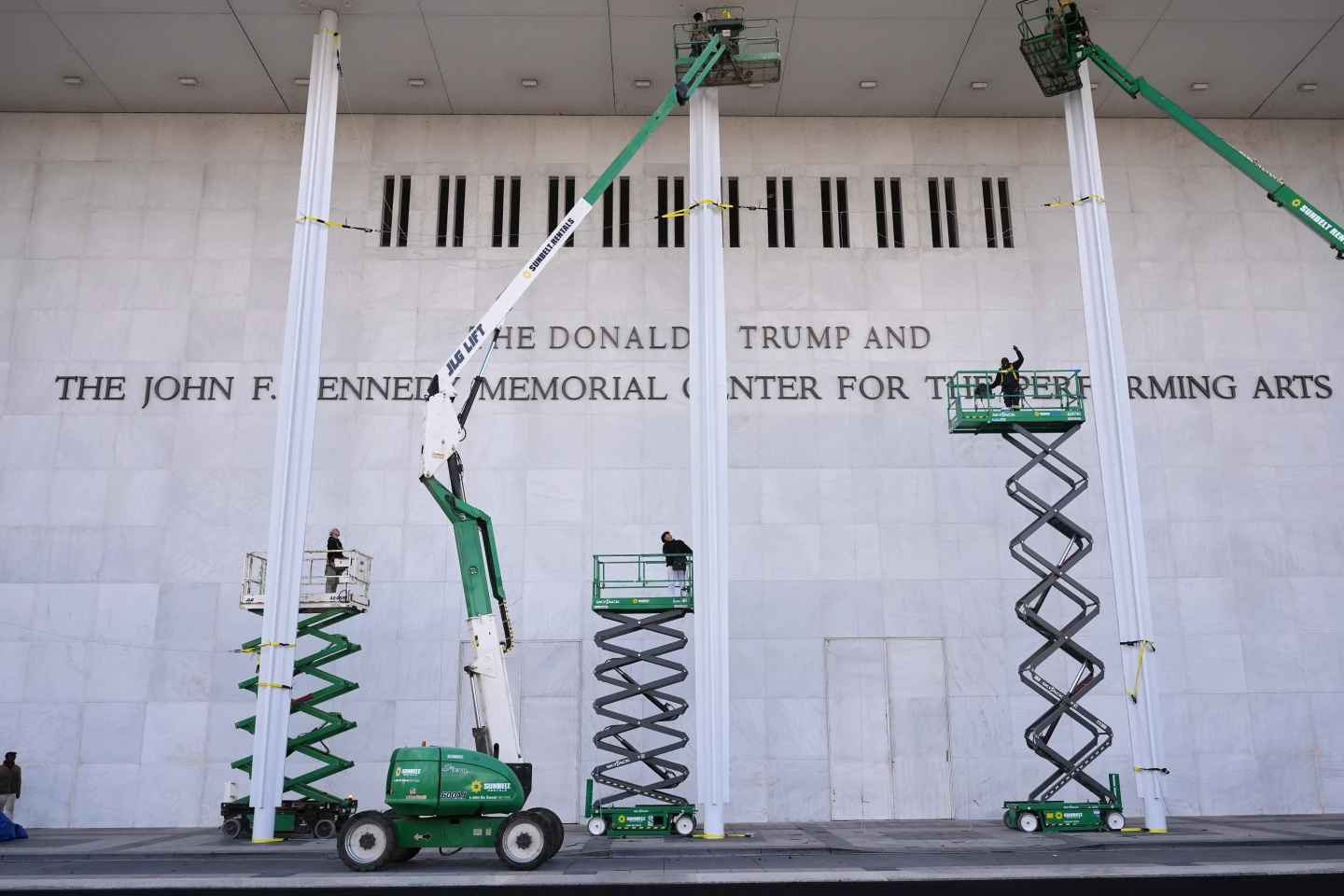
The Kennedy Center is facing significant backlash from the artist community following the addition of President Donald Trump’s name to its branding. Musical acts, including jazz supergroup The Cookers, have canceled upcoming performances, intensifying the already fraught relationship between artists and the institution amid political tensions.
The Cookers, who were slated to headline a New Year's Eve concert, announced their withdrawal rapidly, expressing frustration that their decision might affect audience members. Although they did not explicitly mention the renaming or the recent political maneuvers associated with Trump’s administration, they did imply their commitment to creating spaces that embrace diversity in music.
This latest round of cancellations echoes sentiments expressed earlier in the spring when several high-profile artists such as Issa Rae and the producers of 'Hamilton' withdrew their support for the Kennedy Center. Following Trump’s controversial appointment of himself as chairman and the overhaul of the organization’s board, many artists have become increasingly vocal about their opposition.
It was noted by Billy Harper, a saxophonist with The Cookers, that his decision not to perform was influenced by the perceived racism and cultural erasure linked with Trump’s naming of the venue. Harper emphasized that the board's actions reflect a mentality he has long stood against.
In response to the cancellations, Richard Grenell, a Trump ally associated with the Kennedy Center’s leadership, stated that previous artist bookings were part of a far-left agenda and alleged that the current cancellations only highlighted the unwillingness of these artists to engage with a broader audience.
Despite the ongoing cancellations, some artists remain committed to performing at the Kennedy Center. Bluegrass musician Randy Barrett acknowledged the difficult political climate but stressed the importance of using art and music to foster unity amid divisions.
Legally, there are questions surrounding the naming of the Kennedy Center, as it was established as a memorial to President John F. Kennedy, with statutes seen as prohibiting such a change without congressional approval.