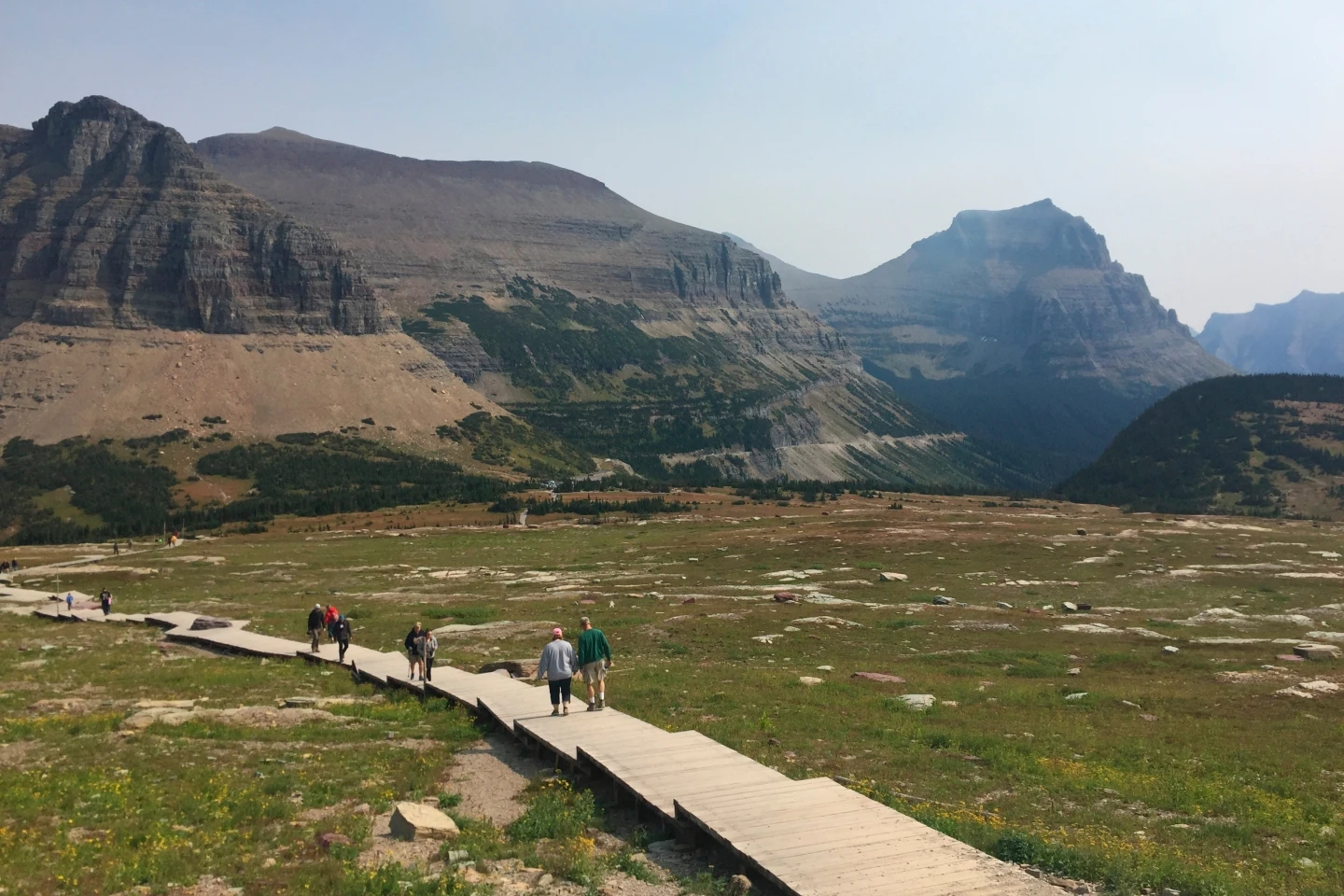
In a recent announcement, the National Park Service (NPS) revealed that it will be granting free admission to national parks on President Donald Trump’s birthday, June 14. This decision has stirred significant controversy as it comes at the expense of eliminating free admission days associated with Martin Luther King Jr. Day and Juneteenth.
The alterations to the list of free admission days highlight a growing concern about the Trump administration's apparent disregard for the civil rights narratives that are pivotal in American history. Previously, the NPS included both Martin Luther King Jr. Day and Juneteenth in its list of free admission days; however, this new policy replaces those days with a focus on Trump’s birthday, a move critics have labeled as self-promotional and divisive.
Ongoing criticisms from civil rights leaders, including former NAACP president Cornell William Brooks, have emphasized the inappropriateness of this shift. Within social media discussions, Brooks described the changes as raw & rank racism that undermines the significance of civil rights holidays.
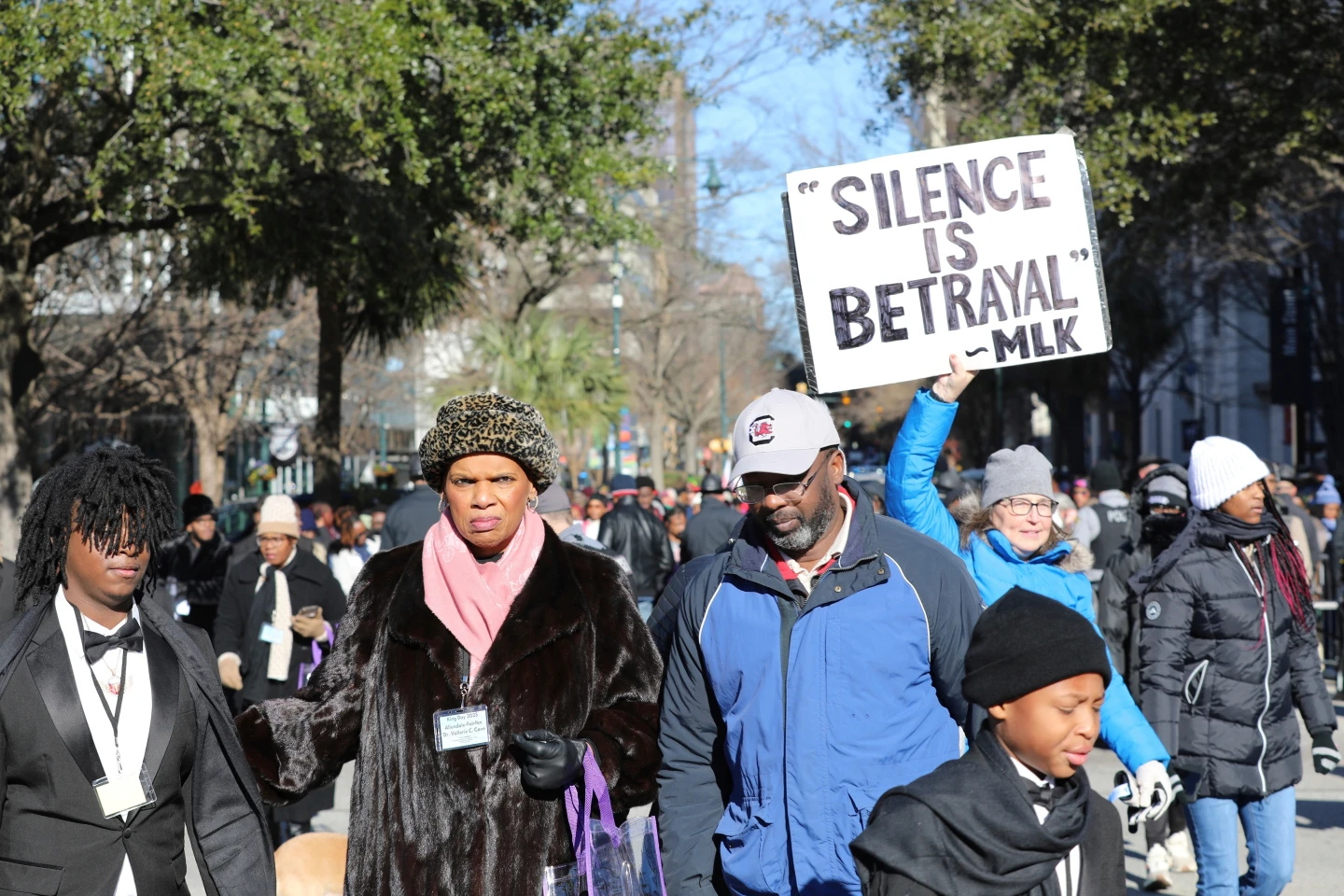
Kristen Brengel of the National Parks Conservation Association echoed similar sentiments, highlighting that Martin Luther King Jr. Day serves as an important day for volunteerism and community service in national parks. Without this free admission, participation in community engagement activities will significantly decline, placing financial burdens on those who wish to honor King's legacy through service projects.
In addition to these critiques, Democratic senators, such as Catherine Cortez Masto from Nevada, have vocalized their opposition, stressing the crucial need for recognizing Black Americans' struggles for civil rights through observances of these significant holidays. This influx of outraged responses showcases the political and social repercussions that could arise from the NPS's decision.
As national parks continue to play a key role in American culture and heritage, this change may likely ignite further debates surrounding civil rights education and advocacy in the public sphere, especially as it seems to reflect the current administration's broader trends in altering historical narratives.