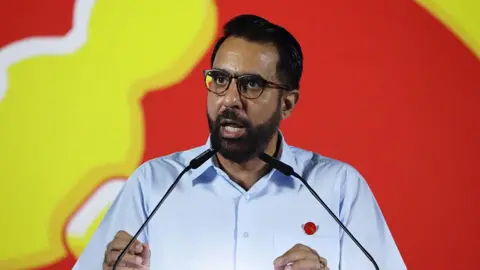
Pritam Singh, Singapore's Leader of the Opposition in parliament, has been stripped of his title following a parliamentary vote, a move initiated by Prime Minister Lawrence Wong after Singh's conviction for lying under oath to a parliamentary committee. The decision, announced during a parliamentary debate dominated by the ruling People's Action Party (PAP), reflects serious implications for the opposition party, the Workers' Party (WP).
Singh remains a member of parliament and retains his position as the secretary-general of the WP, yet he will lose specific privileges, such as additional allowances and the right of first reply during parliamentary debates.
The case against Singh arises from allegations tied to a former WP lawmaker, Raeesah Khan, who falsely claimed to have witnessed police misconduct. During the inquiry into Khan's statements, Singh was alleged to have misled authorities. The Singapore judiciary's handling of Singh's conviction has raised concerns among critics, who allege it reflects a broader strategy by the government to undermine political dissent.
Indranee Rajah, Leader of the House, expressed that Singh's actions compromise the trust placed in parliament. In response, Singh defended his actions and maintained his innocence, insisting that his conscience is clear and vowing to continue fulfilling his duties as an MP.
The parliamentary vote garnered widespread attention as Singh was the first individual to hold the title of Leader of the Opposition. The WP has indicated it will deliberate on further responses and may internally review Singh's actions in relation to party rules. This incident marks a critical moment in Singapore’s political discourse, highlighting ongoing tensions between the ruling party and opposition factions.
Singh remains a member of parliament and retains his position as the secretary-general of the WP, yet he will lose specific privileges, such as additional allowances and the right of first reply during parliamentary debates.
The case against Singh arises from allegations tied to a former WP lawmaker, Raeesah Khan, who falsely claimed to have witnessed police misconduct. During the inquiry into Khan's statements, Singh was alleged to have misled authorities. The Singapore judiciary's handling of Singh's conviction has raised concerns among critics, who allege it reflects a broader strategy by the government to undermine political dissent.
Indranee Rajah, Leader of the House, expressed that Singh's actions compromise the trust placed in parliament. In response, Singh defended his actions and maintained his innocence, insisting that his conscience is clear and vowing to continue fulfilling his duties as an MP.
The parliamentary vote garnered widespread attention as Singh was the first individual to hold the title of Leader of the Opposition. The WP has indicated it will deliberate on further responses and may internally review Singh's actions in relation to party rules. This incident marks a critical moment in Singapore’s political discourse, highlighting ongoing tensions between the ruling party and opposition factions.