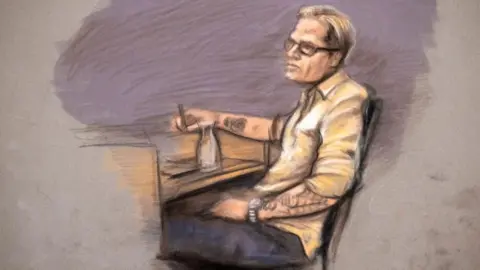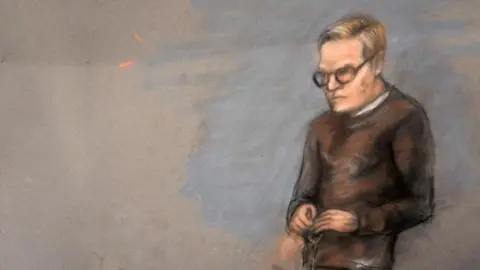
NEW YORK — Harvey Weinstein returned to court seeking the overturning of his latest sex crime conviction, citing rising tensions and hostility among jurors during deliberations last spring.
Weinstein's complicated legal saga, which emerged during the #MeToo movement, has spanned over seven years and involved court proceedings in multiple states. His most recent trial in New York concluded with mixed verdicts: he was convicted of forcing oral sex on one woman, while jurors acquitted him in relation to another woman and were deadlocked on a third rape charge that prosecutors plan to retry.
The 73-year-old former Hollywood mogul denies all accusations against him. His sexual misconduct allegations first surfaced publicly in 2017, giving momentum to the #MeToo movement. Although he initially expressed remorse for his behavior, he has consistently denied any non-consensual actions.
At his trial, defense attorneys argued that the women involved had consented to advances in hopes of gaining opportunities in the entertainment industry, later accusing Weinstein in pursuit of settlement funds and media attention.
The jury's split verdict came after some jurors reported significant tensions and verbal conflicts among them, leading to formal complaints about juror conduct during deliberations. One juror described feeling unsafe and pressured by others, as discussions about Weinstein's past allegedly influenced the jury's focus and dynamics.
Judge Curtis Farber previously warned jurors against discussing the nature of deliberations, insisting they maintain the process's confidentiality. However, after the trial, several jurors indicated they did not believe in Weinstein's guilt but felt coerced into a particular verdict due to the group's aggressive interactions.
Weinstein's lawyers contend that these tensions amounted to threats that fundamentally undermined the fairness of the trial, prompting their request for a hearing on these issues or the dismissal of the conviction outright.
Prosecutors counter that the trial judge appropriately handled the juror concerns and that claims of juror misconduct were overstated. They argue that the discussions surrounding Weinstein's past were relevant and permitted within the scope of the trial.
Judge Farber is expected to respond soon, with options to nullify the conviction, hold a hearing, or allow the original verdict to remain. In parallel, prosecutors are gearing up to retry Weinstein on the unresolved rape charge, while he continues to appeal separate convictions linked to sexual assaults in Los Angeles.