Since becoming defense secretary, Pete Hegseth has found numerous ways to infuse his brand of conservative evangelicalism into the Pentagon's operations. This includes hosting monthly Christian worship services and showcasing scripture in military promotional materials. His narrative that the U.S. is a 'Christian nation' invites criticism regarding the potential risks to the military's secular mission and established pluralism.
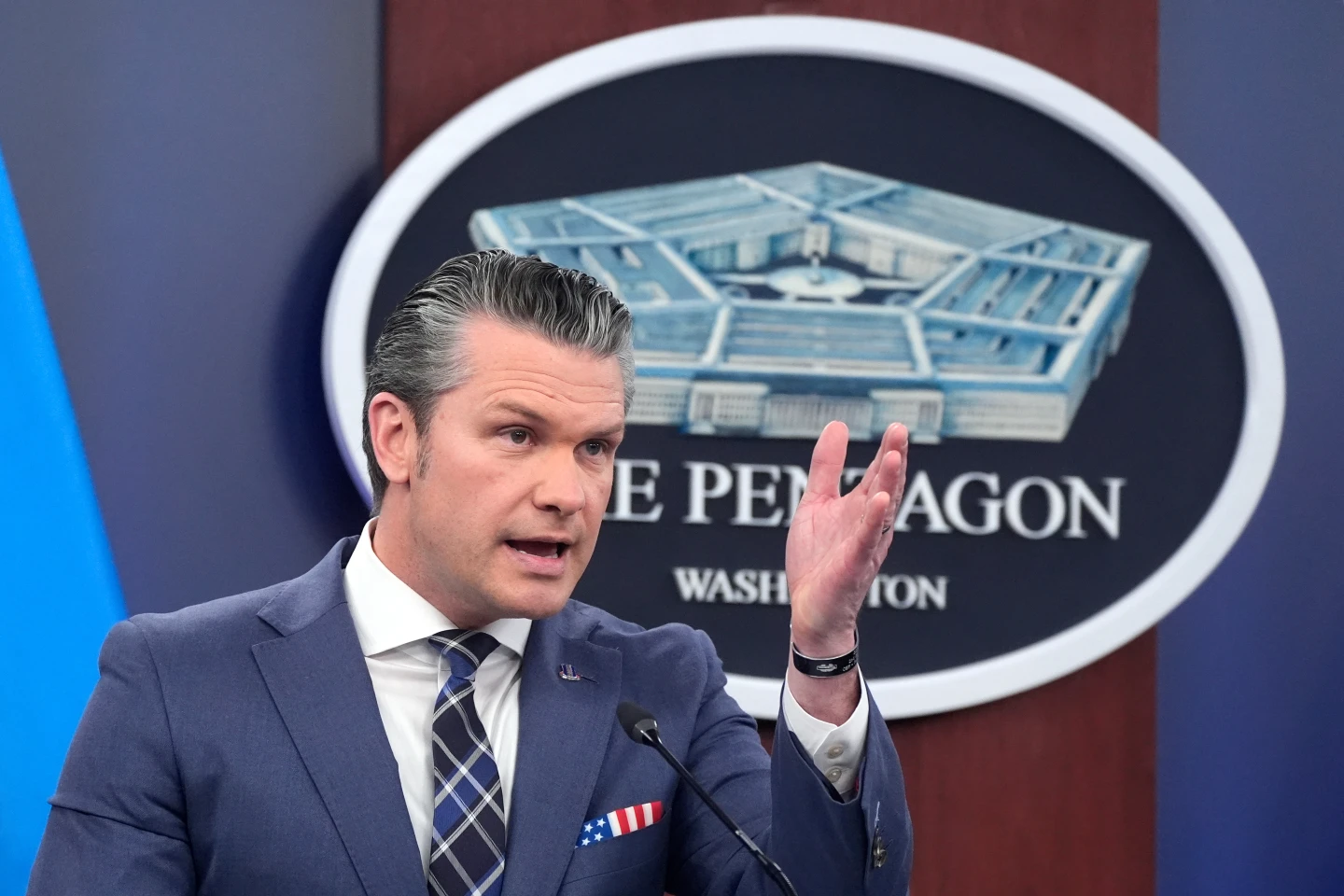
The significance of Hegseth's religious rhetoric grows as tensions escalate with Iran, an Islamic theocracy. During a recent Pentagon briefing, Hegseth referenced Psalm 144 while addressing Iranian leadership's struggles, framing the conflict in religious terms. His history of defending the Crusades highlights a concerning blend of faith and military action, challenging his role in secular governance.
In discussions about the ongoing conflicts, Hegseth has made controversial comments, such as labeling Iranian leaders as 'religious fanatics' who threaten world stability. Experts caution that this perspective could further inflame animosities and entrench U.S.-Iran tensions. Despite not explicitly linking the conflict in Iran to biblical prophecies, rumors of military personnel referencing scriptural texts in relation to their mission persist, raising calls for investigations.
Hegseth’s denominational ties and views on women's rights and immigration echo his broader narrative that favors a militarized manifestation of his faith. Such perspectives lead critics, including religious scholars and military insiders, to express concern over the impact of religious extremism within the armed forces, especially in the context of diversity and inclusivity.
His vision includes reforming the military chaplaincy to reflect his religious views predominantly, potentially alienating service members from varied faith backgrounds. Advocates for religious freedom emphasize the importance of maintaining the military's diversity as a core strength, warning that a shift towards a singular religious narrative could harm morale and cohesion among troops.
The implications of Hegseth’s leadership highlight a crossroads for the U.S. military as it navigates the delicate balance between faith, governance, and operational integrity amidst global conflicts.
The significance of Hegseth's religious rhetoric grows as tensions escalate with Iran, an Islamic theocracy. During a recent Pentagon briefing, Hegseth referenced Psalm 144 while addressing Iranian leadership's struggles, framing the conflict in religious terms. His history of defending the Crusades highlights a concerning blend of faith and military action, challenging his role in secular governance.
In discussions about the ongoing conflicts, Hegseth has made controversial comments, such as labeling Iranian leaders as 'religious fanatics' who threaten world stability. Experts caution that this perspective could further inflame animosities and entrench U.S.-Iran tensions. Despite not explicitly linking the conflict in Iran to biblical prophecies, rumors of military personnel referencing scriptural texts in relation to their mission persist, raising calls for investigations.
Hegseth’s denominational ties and views on women's rights and immigration echo his broader narrative that favors a militarized manifestation of his faith. Such perspectives lead critics, including religious scholars and military insiders, to express concern over the impact of religious extremism within the armed forces, especially in the context of diversity and inclusivity.
His vision includes reforming the military chaplaincy to reflect his religious views predominantly, potentially alienating service members from varied faith backgrounds. Advocates for religious freedom emphasize the importance of maintaining the military's diversity as a core strength, warning that a shift towards a singular religious narrative could harm morale and cohesion among troops.
The implications of Hegseth’s leadership highlight a crossroads for the U.S. military as it navigates the delicate balance between faith, governance, and operational integrity amidst global conflicts.