OpenAI Fired Researchers Claim Safety Concerns Fueled Their Terminations

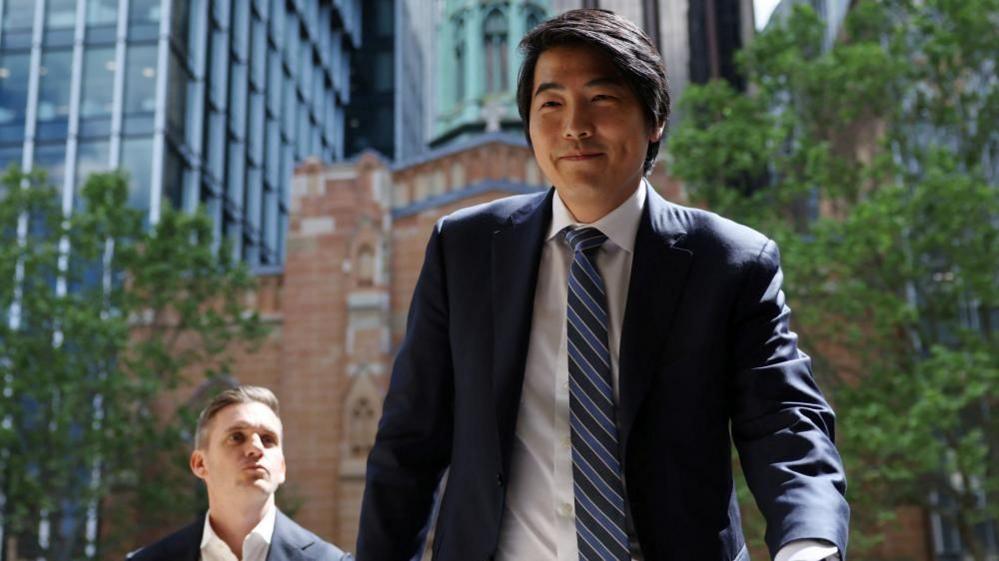
Mikita Balesni and two colleagues, Tomek Korbak and Jasmine Wang, were dismissed from OpenAI earlier this month. They say the reason for their termination was “prioritising safety over the near‑term interests of OpenAI” rather than the mishandling of company information that the firm has announced.
Balesni posted on X on 2 October, attaching an open letter addressed to the company’s leadership. The letter, co‑written by Korbak and Wang, argues that the three had raised safety and alignment concerns that, the authors claim, were ignored until they were fired. Read the tweet.
OpenAI responded on the same day, saying that an internal investigation had confirmed the employees had “mishandled sensitive information outside established company procedures.” A spokesperson added the firings were not related to safety concerns. OpenAI’s statement warned that “significant breach of trust” had been uncovered.
These claims highlight a growing chorus of frustration inside AI firms about how safety advocates are treated. Korbak told X that he had been raising concerns for months, including losing the ability to monitor AI agents’ internal states. He said this loss of monitoring capacity was a direct reason for his dismissal.
Wang, who posted on X on 2 October, warned that “unless employees take a stand now against this kind of manoeuvre, I am concerned we will not be the last.” She emphasized that the firings had left many staff fearful of speaking up on safety issues.
OpenAI has now announced it will finalize contracts with third‑party safety assessors and expects to unveil further details in the coming weeks. The firm insists the decision to terminate the three researchers was justified by the investigation.
The episode adds fuel to the ongoing debate about how AI companies balance commercial priorities with emerging safety concerns and the importance of protecting internal dissent. How other AI firms respond to these accusations will likely reshape conversations about corporate culture and accountability in the industry.