In brief
An internal Immigration and Customs Enforcement (ICE) memo has emerged indicating that ICE officers can forcibly enter homes without a judge's warrant, a significant departure from established legal norms. Longheld advice in immigrant communities has centered around the understanding that federal officers need a signed warrant to enter private residences. The memo's directive raises legal and safety concerns, with advocates warning that it could lead to more aggressive and risky enforcement actions against immigrants. As fears grow within communities, calls for congressional oversight and further investigation into the legality of this policy have intensified.
SAN DIEGO (AP) — Fernando Perez, who has lived in the U.S. for three decades since moving from Mexico, has become adept at avoiding interactions with immigration officers. Despite numerous encounters at his doorstep, he has never opened the door. There are rules and I know them, stated Perez while seeking work in a Home Depot parking lot, a common gathering spot for day laborers.
For years, immigrant communities across the nation have been educated about their rights, specifically the rule to not open their doors to federal immigration officers unless they possess a warrant signed by a judge. This principle is rooted in the Fourth Amendment of the Constitution, which guards against unreasonable searches and seizures.
However, recent revelations from an ICE memo obtained by the Associated Press indicate a substantial tactical shift: ICE agents are now permitted to forcibly enter homes without judicial warrants under specific circumstances. This change is straining the guidelines that have historically protected immigrants from unwarranted entry into their homes.
The memo, which signals a significant modification in immigration enforcement strategies, entails that agents can execute arrests with only administrative warrants, traditionally not allowing home entry without consent. This is a stark contrast to prior practices, as arrests typically required the presence of a signed judicial warrant for any forced entry.
Immigration advocates and legal experts are alarmed by the implications of such a policy, which, they argue, could intensify arrests and lead to confrontations within the confines of family homes. Senator Richard Blumenthal has called for immediate congressional hearings to address this shocking directive.
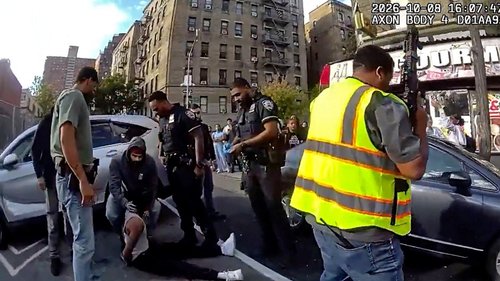
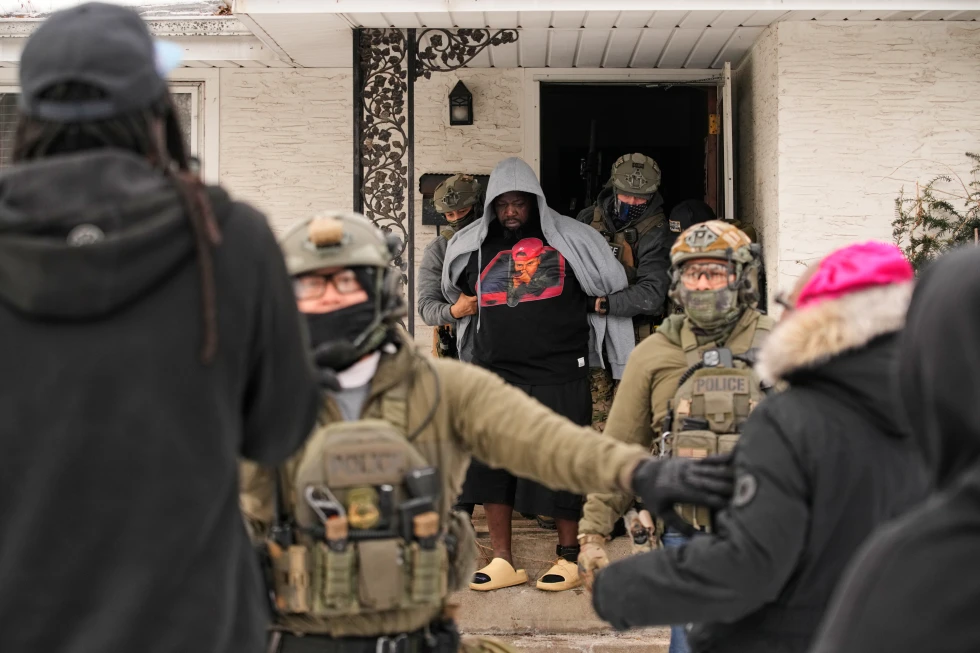
Legal experts warn this could lead to hazardous situations. With numerous states endorsing stand-your-ground laws, aggressive entry tactics by agents may provoke violent confrontations, further endangering both the lives of ICE agents and residents alike. Previous encounters observed by the AP revealed agents forcibly entering residences solely based on administrative warrants, raising serious questions about the safety and legality of such practices.
Perez echoes a widely held sentiment: If they start coming into my home, where I am paying the rent — they are not paying the rent — that’s the last straw. This fear resonates deeply within immigrant communities already burdened by the anxiety of potential deportation.
With advocacy groups emphasizing the need for continued awareness of rights, the legitimacy of this recent policy remains under scrutiny, and its effects are likely to resonate throughout the population.