NFL Dead Players: New Study Uncovers Near‑Universal Brain Disease
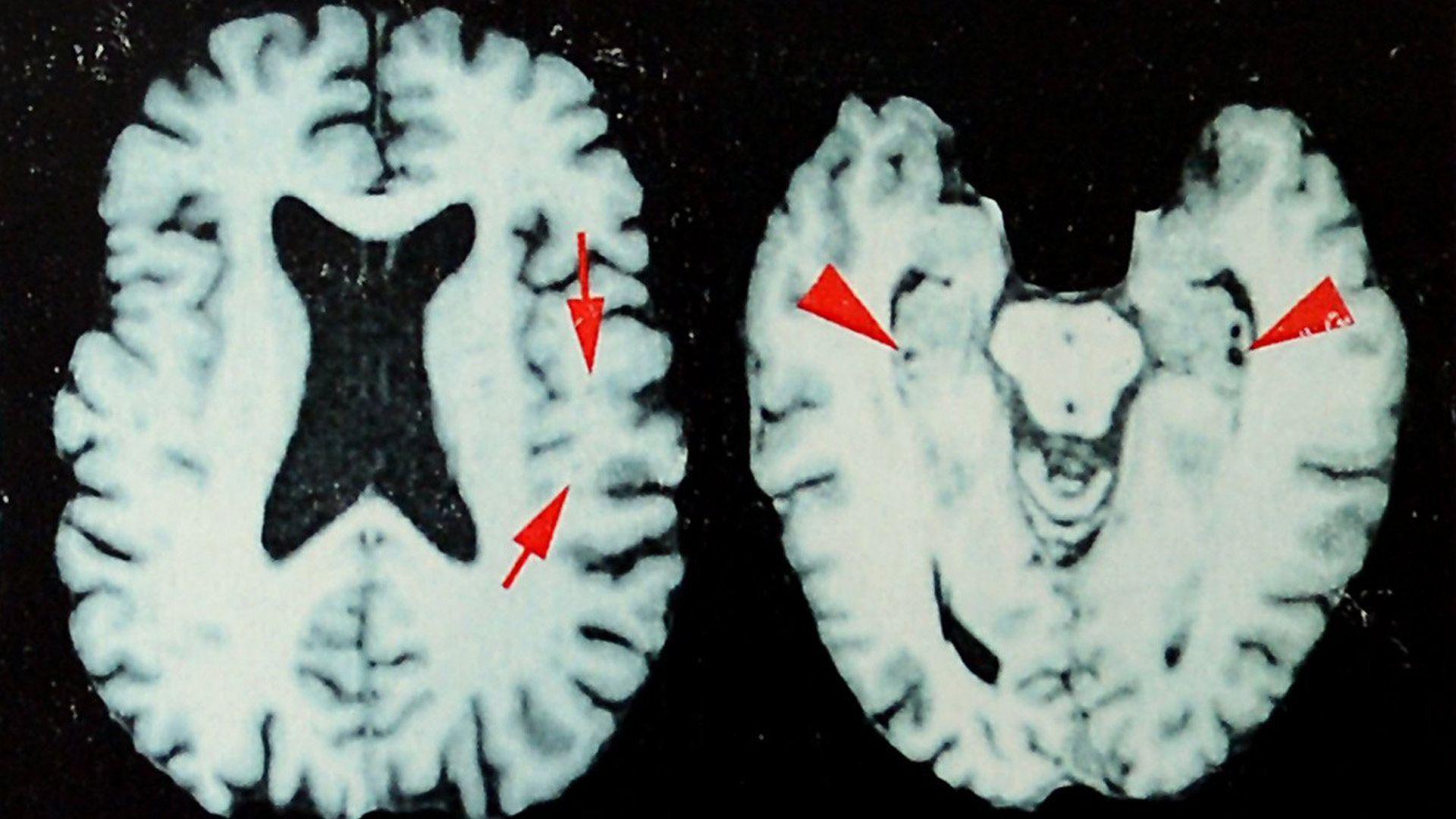
A recent study published in the British Medical Journal has found that between 2016 and 2021, up to 97.7% of former National Football League (NFL) players who died may have suffered from chronic traumatic encephalopathy (CTE) – a degenerative brain condition that can only be diagnosed after death.
Researchers examined the autopsy reports of 878 former athletes, of whom 235 donated their brains for post‑mortem research. Of these, 215 (almost 92%) exhibited the pathological hallmarks of CTE. While the study reports a conservative minimum prevalence of 24.5%, the maximum figure of 97.7% suggests that the disease may be far more common than previously estimated.
'Our findings indicate that NFL players have a higher prevalence of CTE at death than has been shown in earlier community‑based studies,' said lead author Daniel Daneshvar, an associate professor at Harvard Medical School.
CTE was also found to be closely linked to dementia in the donor cohort, underscoring the long‑term health risks linked to repeated head blows. The analysis points out that most of these injuries did not occur in the NFL itself but at the collegiate, high‑school, and youth levels of the sport, where cumulative impacts could trigger the brain changes seen at autopsy.
An NFL spokesperson reiterated the league’s commitment to player safety: ‘The NFL continuously works to reduce concussions and head impacts through new rules, training protocols, and medical support for all levels.’ The league also encourages former players to use the resources available to monitor and address their health concerns.
The study adds to a growing body of evidence that has prompted previous legal settlements and sweeping changes to football practice schedules and player safety procedures. It comes amid ongoing debate about whether current measures adequately protect athletes and whether greater regulation across all levels of the sport is needed to curb the brain‑health crisis.
To read the full British Medical Journal article, click here.