Oldest U.S. Inmate, Who Fought Execution Twice, Dies at 101
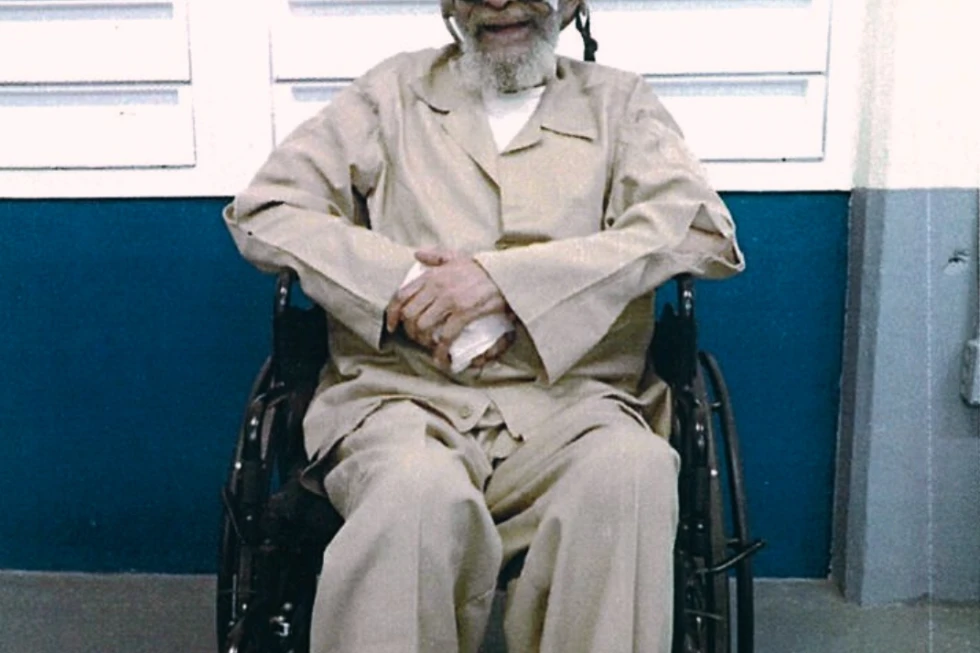
Francis Clifford Smith, a 101‑year‑old former inmate of Connecticut’s Osborn prison, passed away this June after a lifetime that has drawn attention to how the American justice system deals with elderly prisoners. Smith’s case is remarkable not only because of his longevity but also because he was spared for execution eight times.
A Life Marked by Near‑Death
At 25, Smith was convicted of murdering Grover Hart, a night watchman at a Connecticut yacht club. Despite the conviction, witnesses later recanted their statements and an inmate confessed to the crime, raising doubts about his guilt. Yet his legal journey prevailed, and he was sentenced to death.
Smith’s death‑row experience was unique: he survived a death sentence eight times—including a psychiatric evaluation that declared him unfit, an accidental procedural error, and shifts in the federal death‑penalty policy. Each time he was granted clemency or a reprieve, and he spent decades behind bars, the longest-serving prisoner in U.S. history.
From Cell to Care Home
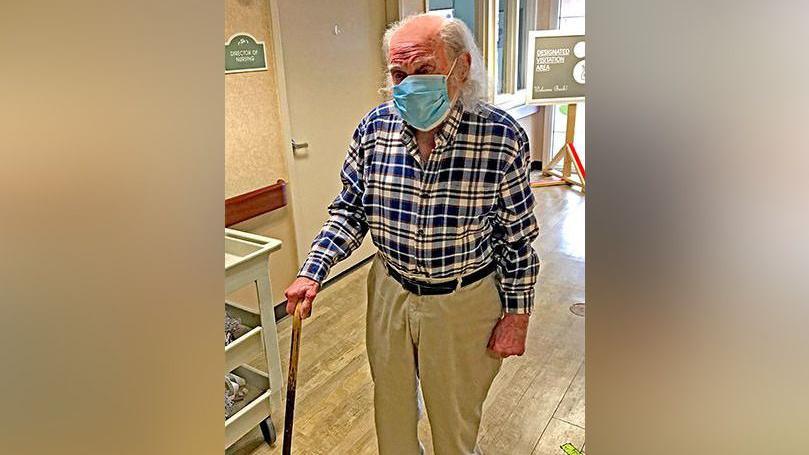
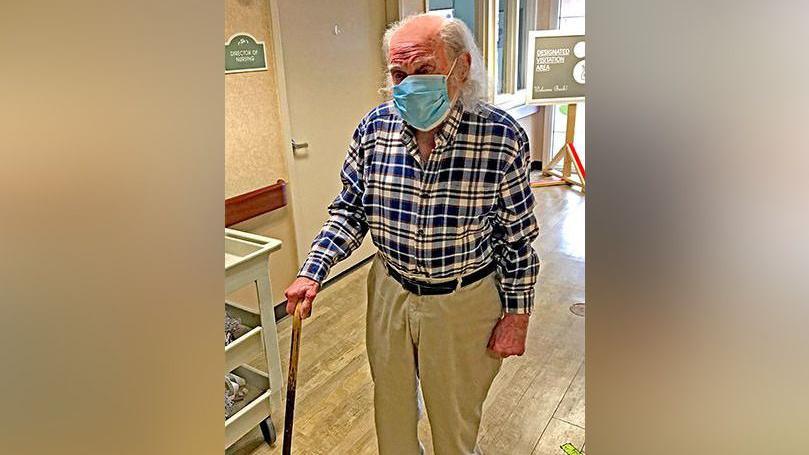
In 2020, Smith was granted supervised parole, moving to a care facility designed for elderly inmates. The MissionCare Health scheme, a statewide initiative, focuses on providing specialized healthcare for long‑term incarcerated residents. Smith’s final years were spent in a nursing home that was equipped to manage his dementia and other age‑related conditions according to the Department of Correction’s specifications.
The Aging Prisoner Dilemma
The American Correctional Association reports an almost 400% rise in inmates over 55 between 1991 and 2021. In 2030, it is projected that at least one‑third of the incarcerated population will be older than 50. This demographic shift brings medical costs, compassion concerns and logistical challenges to the forefront.
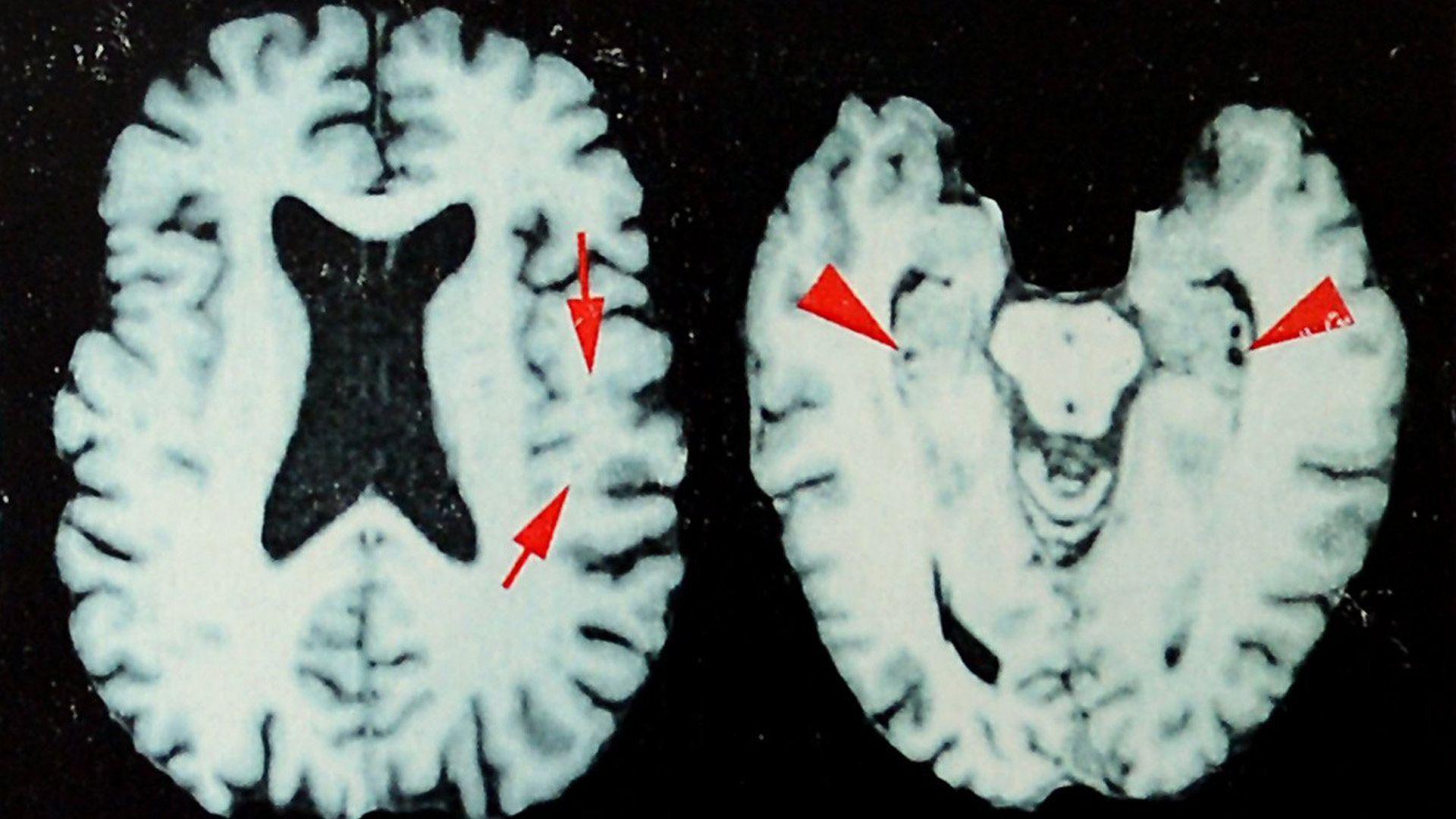
Experts argue for a “smart” de‑carceration approach—compassionate release, age‑based parole or specialized care facilities—to address the health and safety of senior inmates. The Smith case is a touchstone for debates, showing that extended incarceration can lead to “accelerated ageing” and higher rates of dementia, yet the system is often ill‑prepared to accommodate such needs.
Legacy and Lessons
Smith’s death at 101, after surviving multiple death sentences, highlights the urgent need for policy reforms aimed at senior inmates. His story fuels conversations about the balance between punishment, rehabilitation and humanity, urging lawmakers to rethink how the judiciary deals with individuals whose lifespans stray far beyond the typical e‑cum‑hand.
The case of Francis Clifford Smith reinforces a growing recognition: prisons must adapt to an aging population. His tenacity, survival and eventual deathing as a testament to both the resilience and flaws of the system—remind society that justice is an ongoing dialogue, not a final verdict.