NASA Bets Big on Saving Swift in a High‑Risk Rescue Mission
When NASA’s Swift observatory slipped from its clean 373‑mile orbit, the agency stopped at nothing to avoid a historic loss of science.
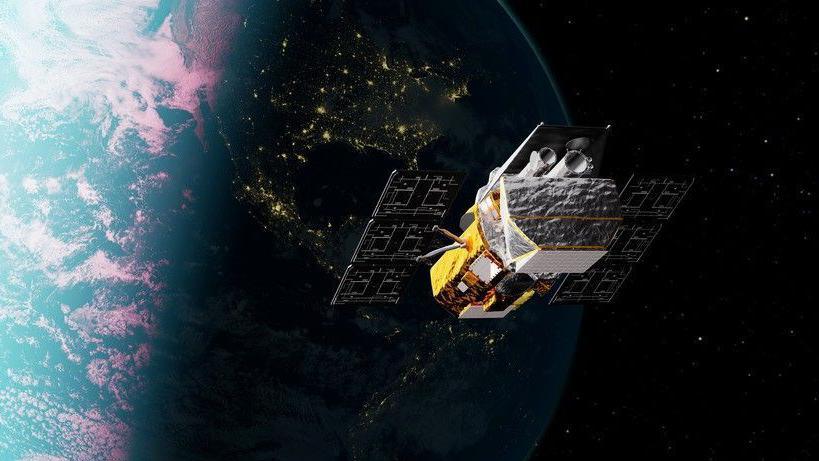
Swift, launched in 2004, has been the world’s most efficient hunter of violent stellar explosions – every gamma‑ray burst it records delivers the Sun’s ten‑billion‑year energy output in seconds. Its science is irreplaceable: the instruments were designed to be lightweight, fast and nimble, a combination no other spacecraft can duplicate.
Solar activity has made a small but deadly change. The Sun’s wind pushes the upper atmosphere 10 to 20 percent higher, dragging on Swift and decelerating it. In the last two years the telescope’s altitude fell from 600 km to just 360 km. Below 300 km the drag is so strong that Swift will burn up on re‑entry if not lifted again.
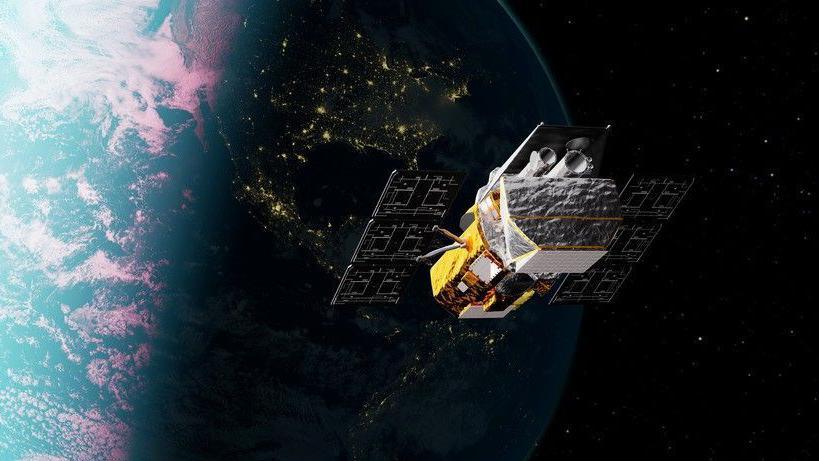
Enter LINK – a compact, three‑arm robot built in just eight months by Katalyst Space Technologies of Flagstaff, Arizona. The prototype is roughly the size of a refrigerator, arm‑mounted cameras, guidance sensors and a small thrust stack. Its mission: approach Swift, latch on with slow, controlled motion, and then use its thrusters to lift the observatory back toward its original orbit.
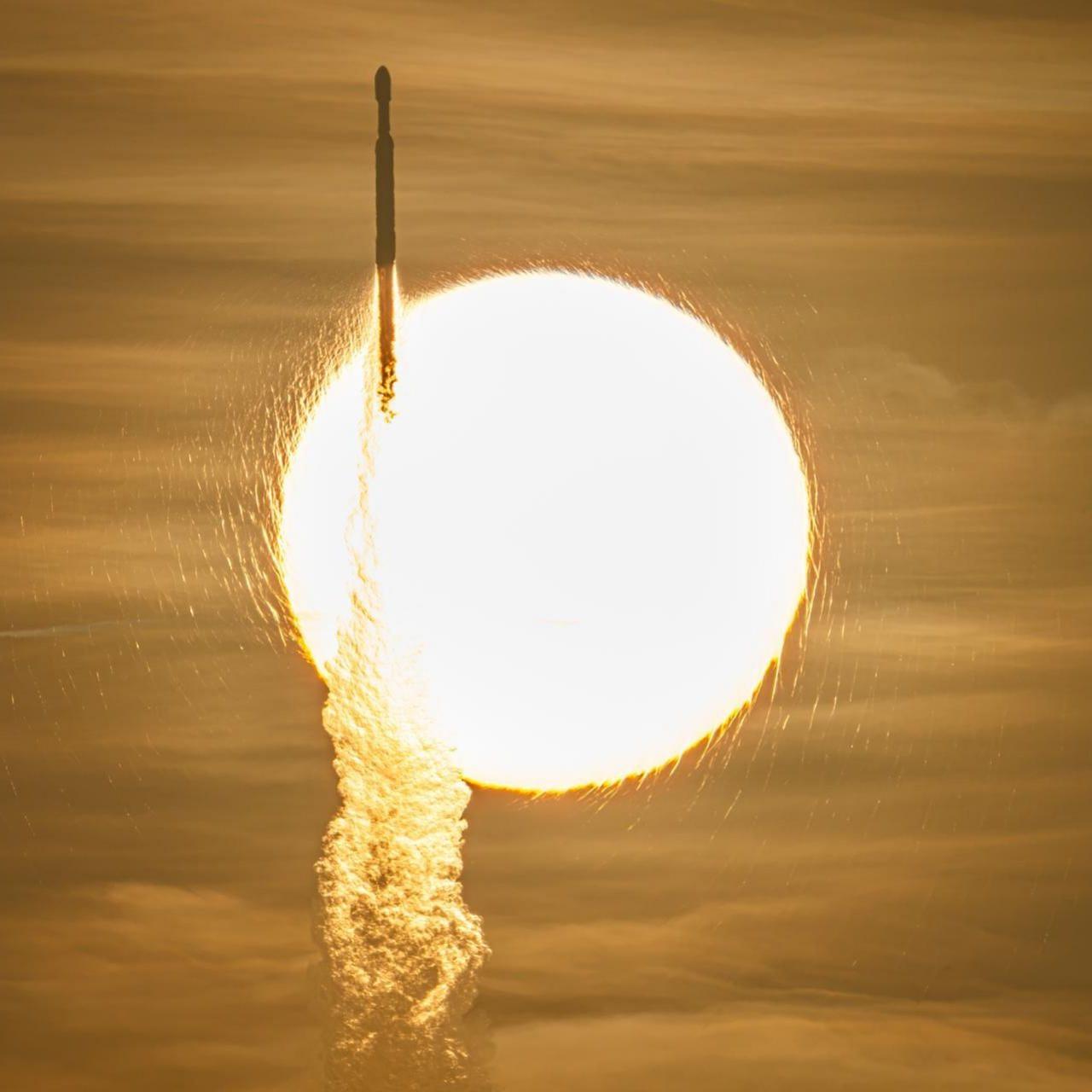
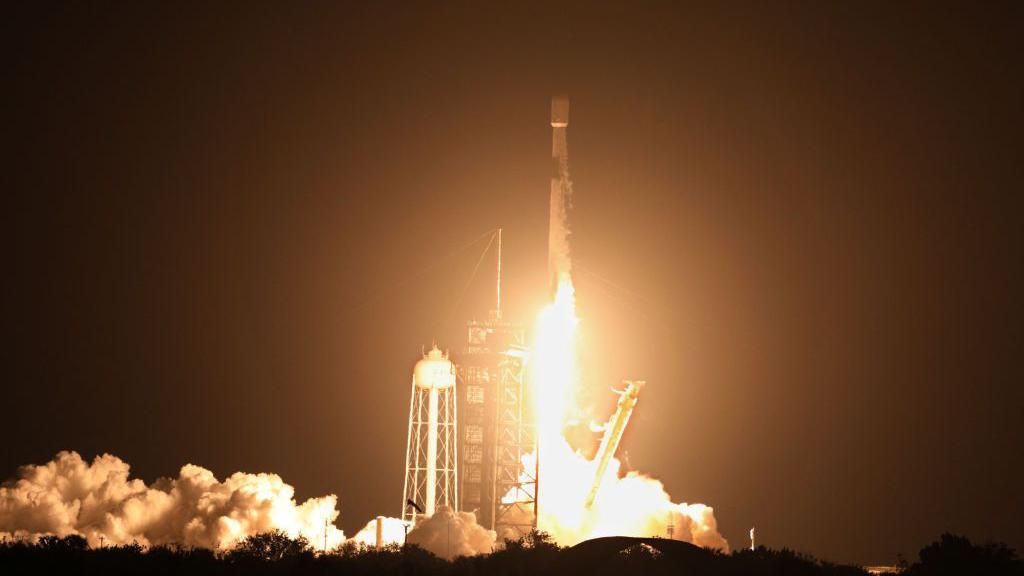
Launch was completed Friday on a Pegasus XL rocket, and LINK is now proceeding through phases of system check‑outs – power, navigation, sensor calibration – before heading to Swift’s orbit. Engineers expect a near‑real-time rehearsal of the capture sequence in the next four to five weeks. The timing is critical: Swift will cross the 300‑km threshold in only a few months. If LINK fails, the telescope could enter a steep decay that would lead to atmospheric re‑entry and burn‑up.
“The Swift telescope was never designed to be grabbed in space,” says Dr. Simeon Barber of the Open University, “but the launch pushed it into an orbit where it will retire in the next few months unless we intervene.”
If successful, LINK will lift Swift from 360 km back to a 600‑km “parking” orbit, where atmospheric drag is negligible and the observatory can continue its legacy of discovering cosmic explosions. The rescue mission itself proves a new frontier in space repair and e‑mission design – a skill set that could one day be applied to even larger heritage assets like the Hubble Space Telescope.
NASA and Katalyst teams remain cautiously optimistic. Their success will hinge on precise navigation, stable arm deployments, and a timely thrust sequence that avoids the violent gravitational tug of the Earth’s atmosphere. The world watches in anticipation, hoping a space‑borne rescue can salvage a decade of costly science and open a new chapter in space operations.