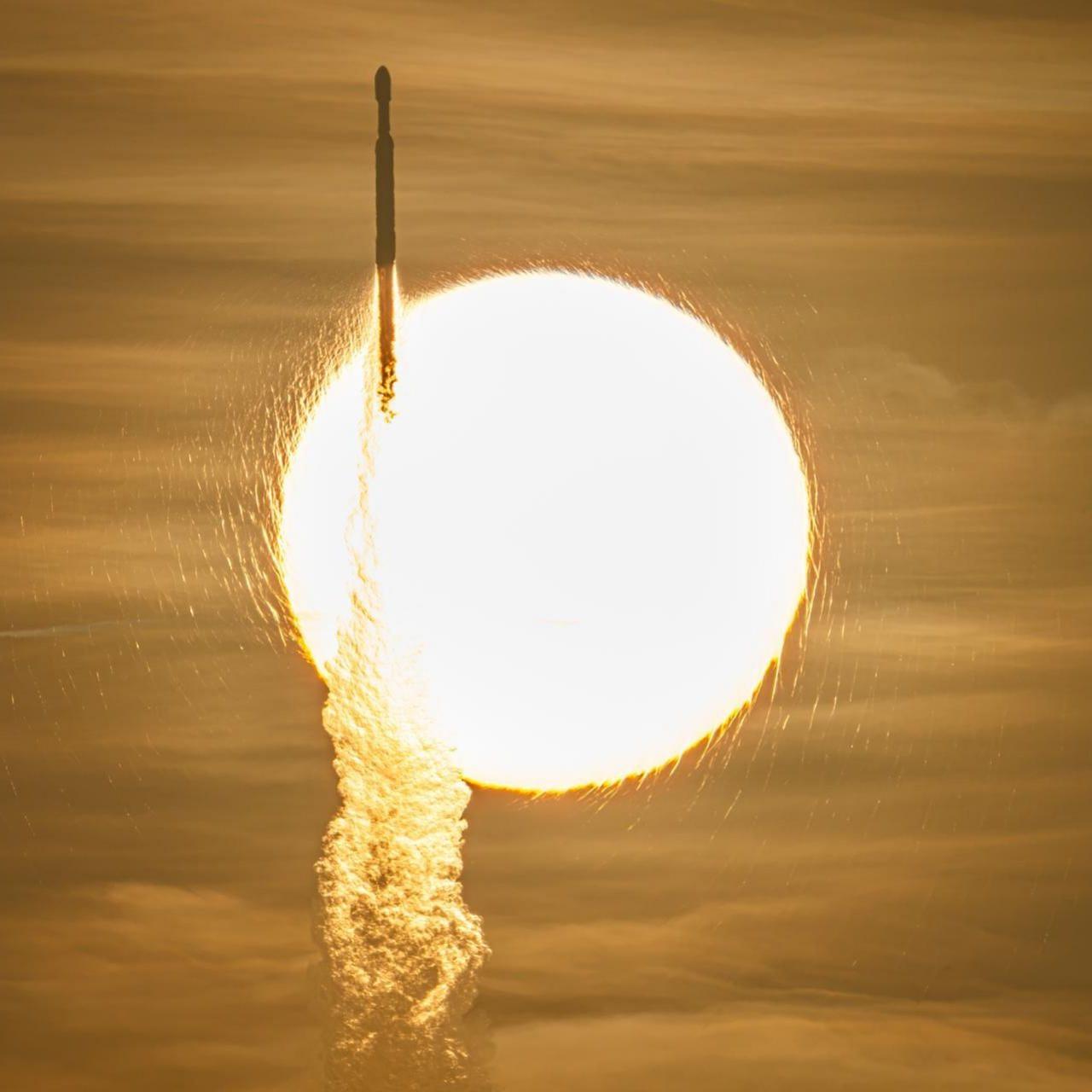
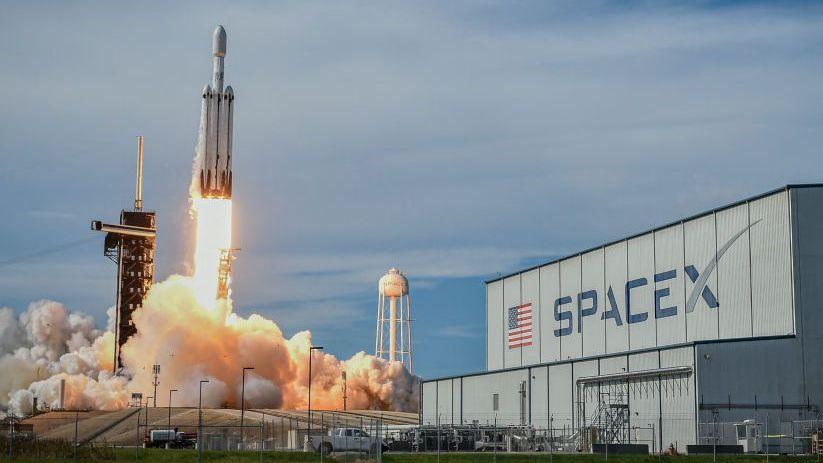
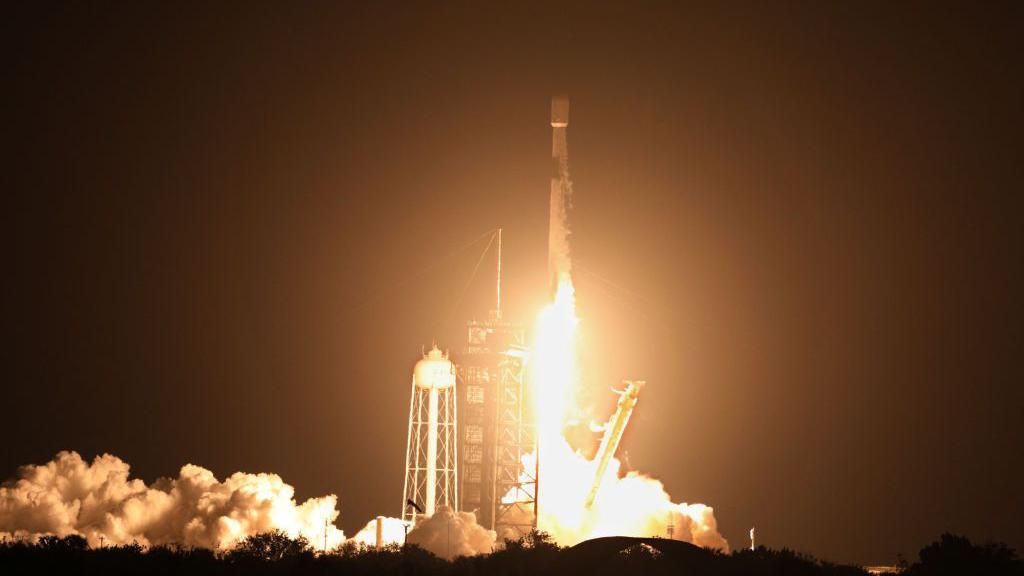
NASA’s Nancy Grace Roman Space Telescope has silenced the quiet of the launch pad in Florida, firing into space on a Sunday morning. In an official read‑out, representatives noted the spacecraft will travel approximately one million miles from Earth before beginning a five‑year scientific campaign that could extend to a decade.
The new observatory will wield a panoramic field of view that dwarfs both the Hubble and James Webb telescopes, enabling it to capture radically broad swaths of the night sky. With this capability, Roman will spot habitable worlds orbiting distant stars, map billions of galaxies, and survey redshifts that trace the expansion history of the cosmos.
"Roman is going to change the way we look at the Universe," stated Nicky Fox, a NASA administrator. The agency frames the mission as a direct chase to answer one of astronomy’s toughest questions: how does the invisible force known as dark energy drive the universe’s accelerating expansion?

From the moment liftoff, the spacecraft’s structural integrity proved flawless. Just thirty minutes post‑launch, Roman separated from the Falcon Heavy booster and was set on its orbit‑transfer trajectory, where the first observations will soon be taken.
While the telescope’s primary offer lies in exoplanet hunting, its large‑scale surveys will also interrogate the nature of dark matter and dark energy—components believed to make up roughly 95 percent of the universe’s mass–energy budget.
NASA officials believe the Roman mission will bring a “giant leap forward” in our study of the cosmos, shedding light on the unseen forces that shape everything from planet atmospheres to the ultimate fate of the universe. The world watches as this new eye in space begins its grand sweep.