In brief
An unexpected avalanche on Pakistan’s Broad Peak in June has claimed the lives of six Nepali mountain guides, among them the celebrated Nirmal Purja who once scaled the world’s fourteen highest peaks in record time. These guides were part of an international team, renowned for their daring ascents and for bringing global attention to the Karakoram range. Their deaths highlight the constant risks of high‑altitude climbing and the formidable challenges of expeditions in remote Pakistan. While the incident raises questions about safety protocols, experts suggest that the inherent danger of the sport will continue to allure climbers and guides alike.
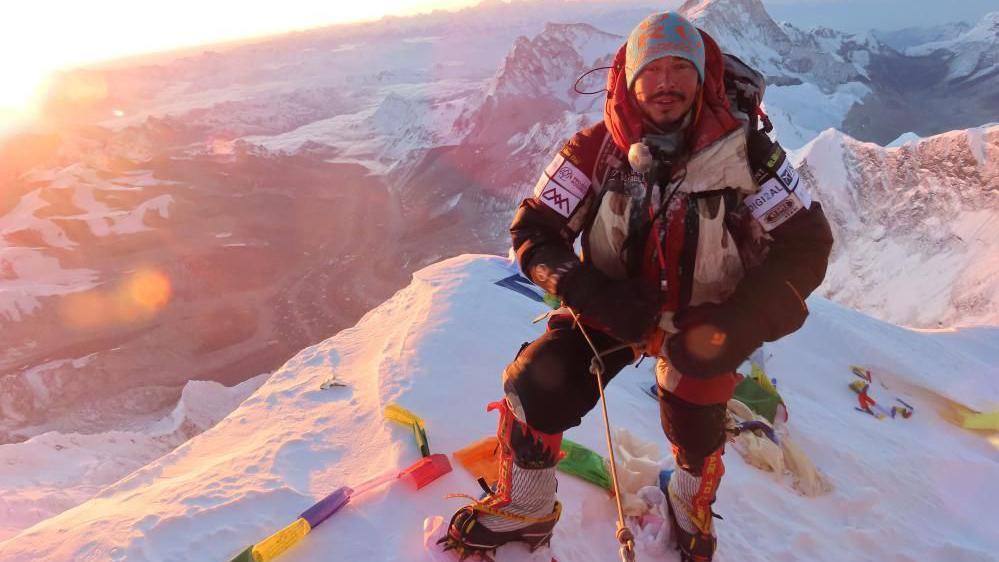
On 21 June, a catastrophic avalanche struck an international team of mountaineers on Pakistan’s Broad Peak, a 7,782‑m (25,598‑ft) summit. The disaster claimed the lives of six Nepali guides, including British‑Nepali mountaineer Nirmal Purja, known for completing the 14 highest peaks in just over six months.
The guides were part of a ten‑member expedition led by Purja. Their accomplishments had earned them widespread acclaim, and they had once snatched a win on the Karakoram’s most deadly peaks: K2 and, later, Broad Peak. The tragic event has struck a blow to Nepal’s mountain‑guiding community, which already celebrated the remarkable prowess of a generation of skept‑sized Sherpas.
Celebrated Leaders and Their Feats
Nirmal Purja, also known as “Nims,” was the primary leader of the Broad Peak expedition. He was recognized as a pioneer for ascending all 14 eight‑thousanders without supplementary oxygen during his 2024 speed‑climbing spree. Accompanying him were Kili Pemba Sherpa and Pur Bahadur Gurung. Kili Pemba had just added the last of the 14 peaks to his résumé when he earned the mountaineering Grand Slam in early July, while Gurung had topped 12 of the 14 highest peaks.
The other survivors include Gyaljen Sherpa, famed for scaling Kanchenjunga three times in a single season, and Nima Sherpa, who climbed four eight‑thousanders in 2026. Nawang Thindu Sherpa, a younger visionary of the guiding rang, had begun to carve out a name for himself on the remote Karakoram ridge.
Pakistan’s Growing Place in Himalayan Exploration
Historically, the Karakoram has attracted limited adventure seekers, with fewer than 15,000 hikers annually. The rise of Nepalese guides, starting with Purja’s legacy, has spurred increased interest by western climbers and world‑record seekers. The remote nature of Pakistani peaks means that expeditions have to transport clean, setup equipment without nearby lodges, making the job extremely demanding. Nepal’s well‑established infrastructure and clear rescue networks contrast starkly with the limited facilities in Pakistan’s mountains.
“The avalanche has brought global attention to the high‑altitude dangers,” noted Ben Ayers, longtime Everest correspondent. “Yet the fascination with high risk and fame appears unshaken.” According to research analyst Medhavi Gulati, the allure of lives in peril is a fundamental trigger for humans pursuing high‑altitude climbs.
Mountain‑climbing expert Alan Arnette observes that future safety reforms may not bridge the gap between tragedy and practice; history repeats itself on the peaks, with every generation of climbers encountering inevitable loss.
While the community mourns, the enduring spirit of mountaineers – driven by record‑setting ambition, love of the wilderness, and commerce – suggests that the next push for safety will inevitably take place at the edge of possibility.