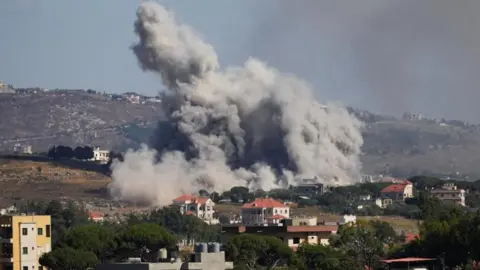
Celebrations erupted across Syria and in neighboring Lebanon over the weekend following the sudden downfall of President Bashar al-Assad's long-standing government, marking a historic turning point in a nation ravaged by civil war. For over half a century, Assad had been seen as a pillar of stability, albeit a brutal one, in a region dominated by shifting alliances and escalating tensions.
American intelligence officials were caught off guard by the speed of the collapse, having believed just days prior that Assad had a solid chance to maintain power, even contemplating potentially resorting to chemical weapons against rebellious factions. The rapid turn of events signifies a momentous shift in the strategic landscape of the Middle East, particularly following a series of violent episodes, including the October 7, 2023, Hamas attack on Israel, which has since altered regional dynamics.
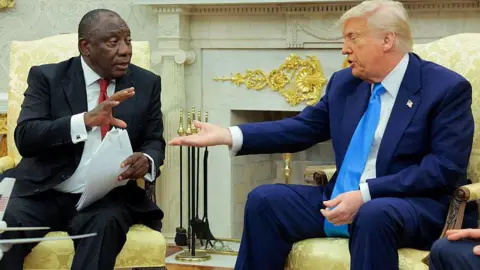
This new era raises pivotal questions for both the United States and the recently re-elected President Donald J. Trump. Foremost among these are whether the Syrian rebels will be able to rid the country of Russian and Iranian influence—nations that provided substantial military and political support to Assad—or if they will pragmatically seek cooperation with these powers given their longstanding participation in the conflict.
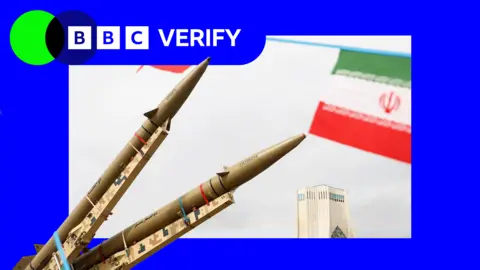
As celebrations continue, the specter of instability looms large, pushing analysts and policymakers in Washington to consider the implications of these developments. Will Iran, now with diminished power, resort to nuclear negotiations or take a more aggressive stance? The complexities of the Syrian theater have only deepened, compelling a reevaluation of international responses amid a backdrop of fresh uncertainties.
Global leaders are now watching closely as the situation unfolds, recognizing that the fallout from Assad's ouster could reverberate well beyond Syria's borders, reshaping alliances across the Middle East and influencing international diplomatic efforts.