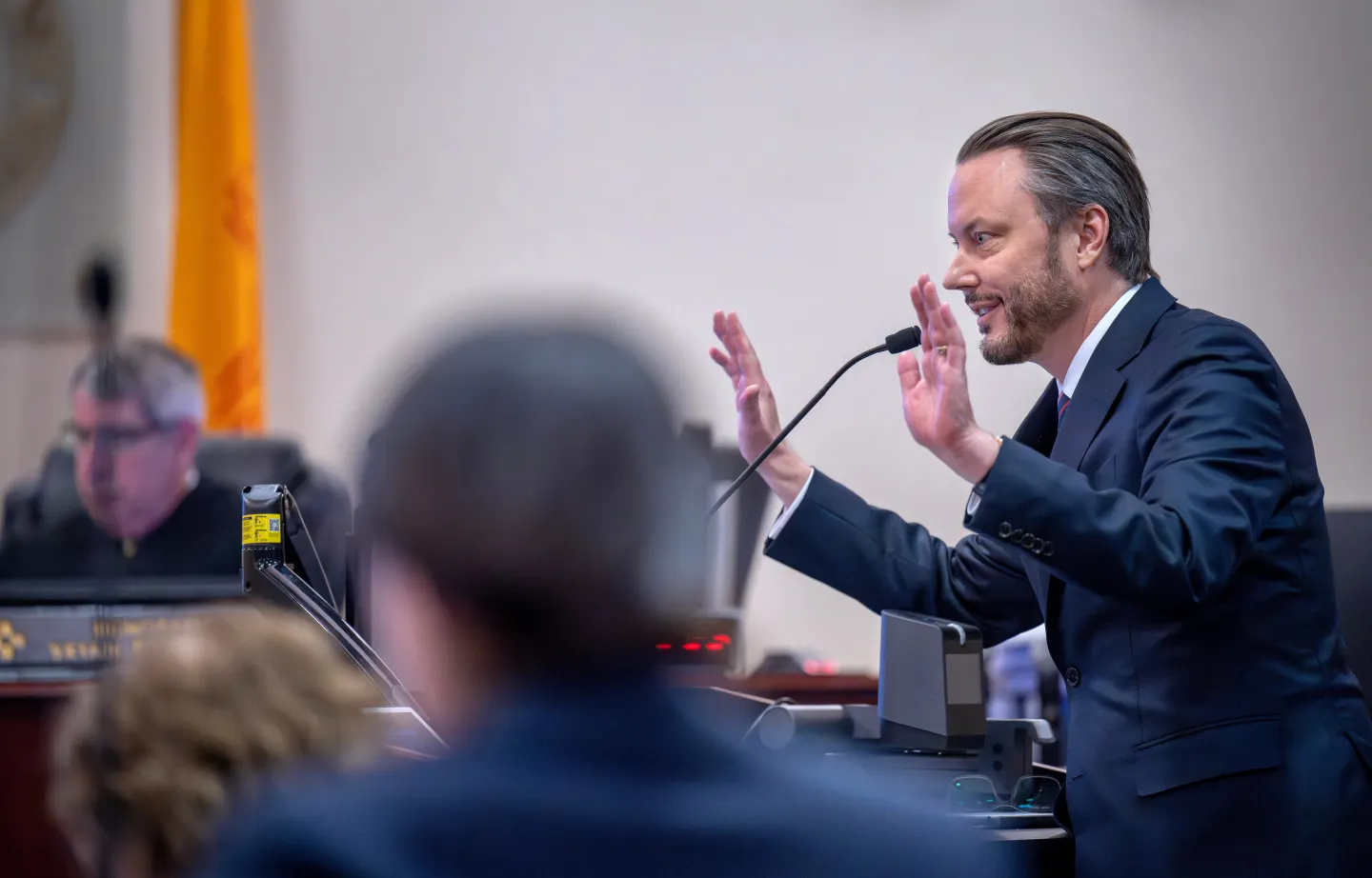
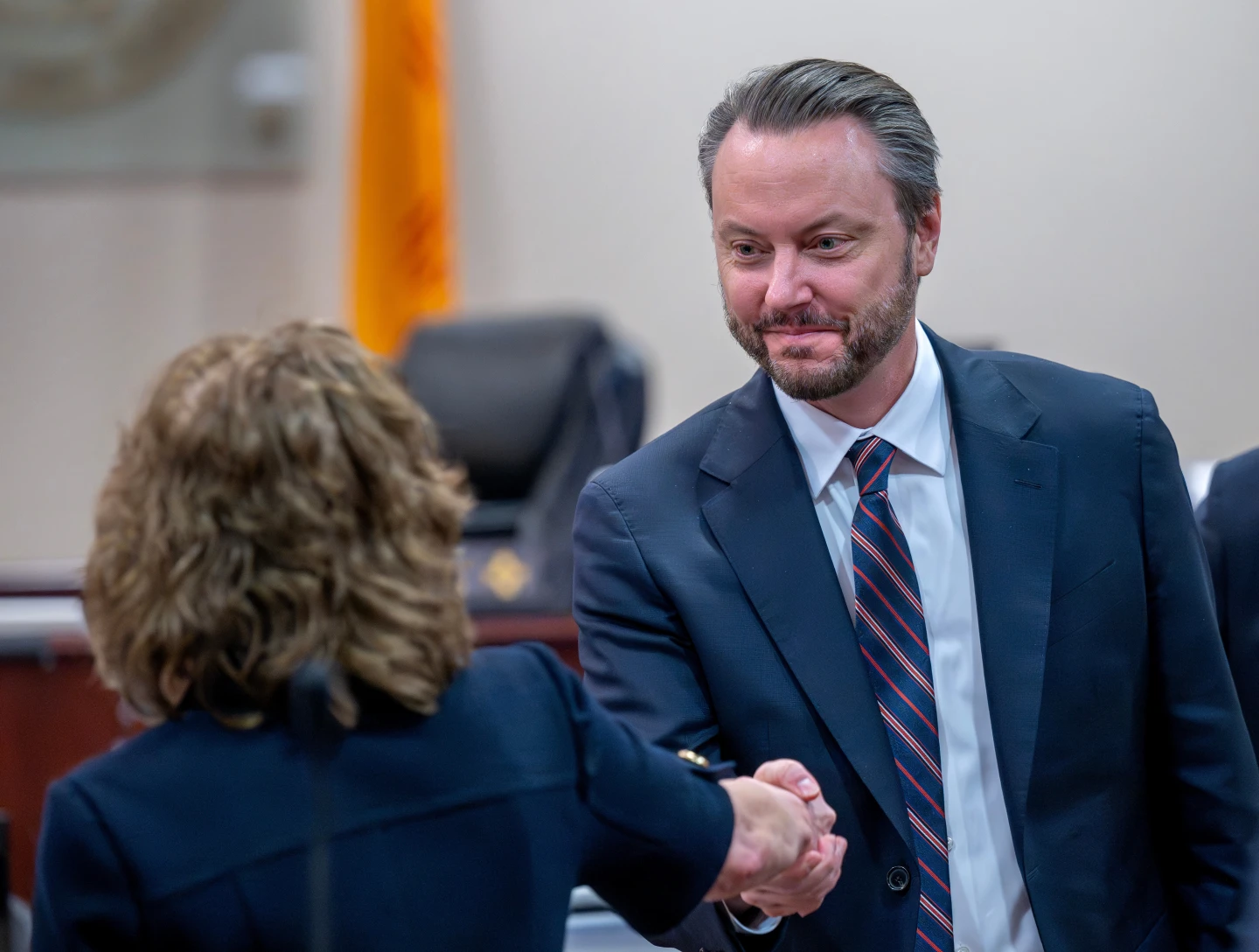
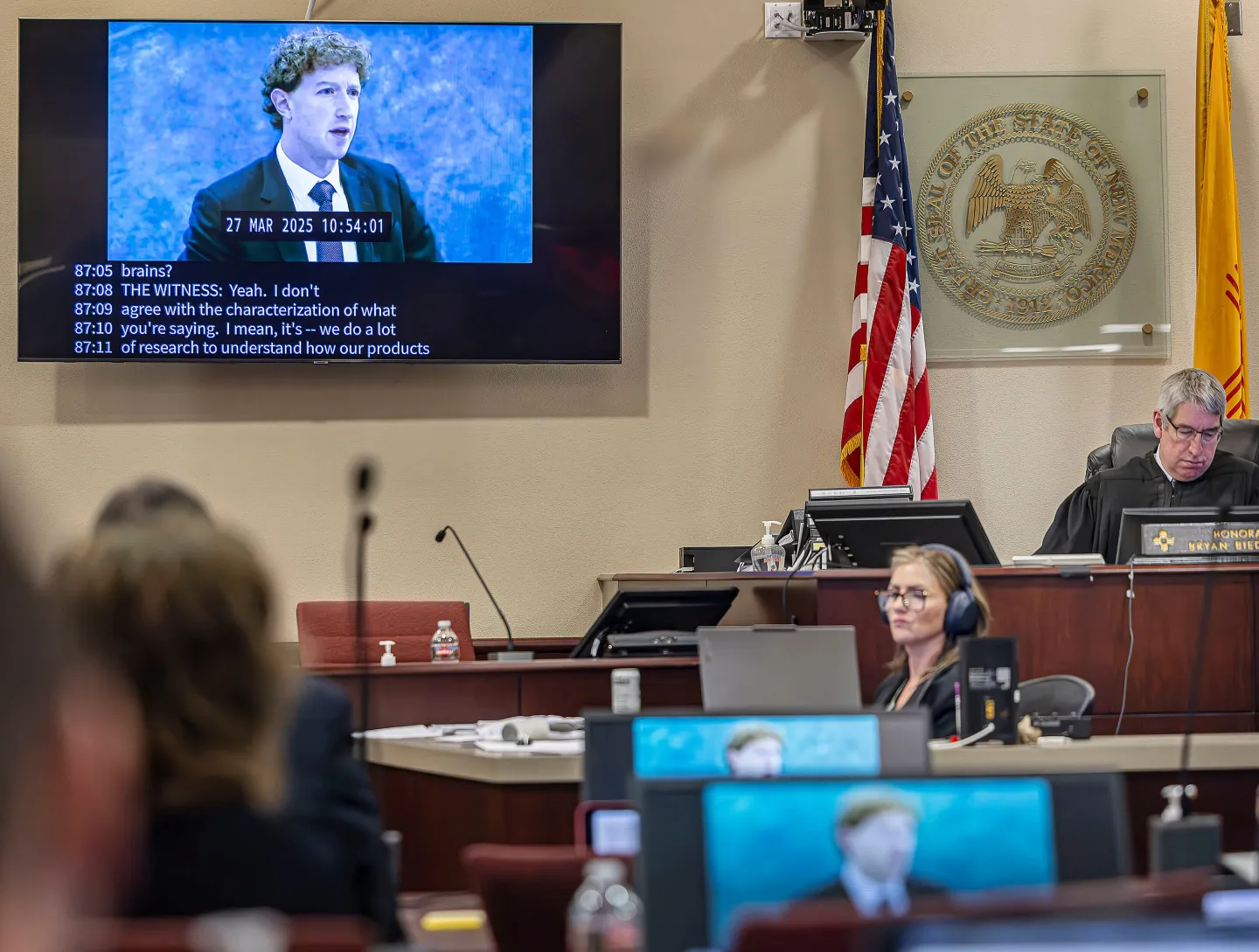
A significant shift in the legal landscape surrounding social media accountability has emerged as juries in California and New Mexico have ruled against tech giants Meta and YouTube. Both companies were found liable for the harms caused to youth using their platforms, a development that advocates argue is a long overdue recognition of the mental health risks posed by social media.
The case in California saw a powerful message as the jury acknowledged the detrimental effects of addictive behavior fostered through these platforms. Similarly, in New Mexico, it was revealed that Meta had concealed vital information about child exploitation risks associated with its services.
Sacha Haworth, executive director of The Tech Oversight Project, articulated a profound sentiment that the time of Big Tech being unassailable is over. He remarked, New evidence and testimony have validated the concerns of families and children regarding these platforms' impacts on mental health.
Despite the positive response from advocates, concerns remain about whether these verdicts will drive real change in industry practices. Both companies expressed intentions to appeal, with reservations about the sufficiency of existing regulations to adequately safeguard user interests.
Experts believe these cases represent a legal turning point. According to Nikolas Guggenberger, a law professor, the courts' recognition of social media platforms' responsibilities regarding user design could reshape industry standards that prioritize engagement over safety.
Social media's evolving role in the lives of young people, coupled with growing public sentiment against the unchecked power of tech companies, suggests that future litigation and regulation may force a reconsideration of how social media operates, potentially leading to a safer environment for users of all ages.