In brief
In Kerala, a state already facing a rapidly aging population, a newly created Department of Elderly Welfare seeks to guard against the isolation of seniors who are left alone when their children move abroad. The ministry’s plan favours "ageing in place" – keeping older adults in their homes and communities while integrating community‑based care, social activities and certified caregivers. Despite a modest budget, the policy marks the first organised effort in India to bring together pensions, palliative care and social services for the elderly. Experts note that while the initiative signals strong intent, real‑world solutions will also need private facilities and a regulated care market to truly meet the growing demand.
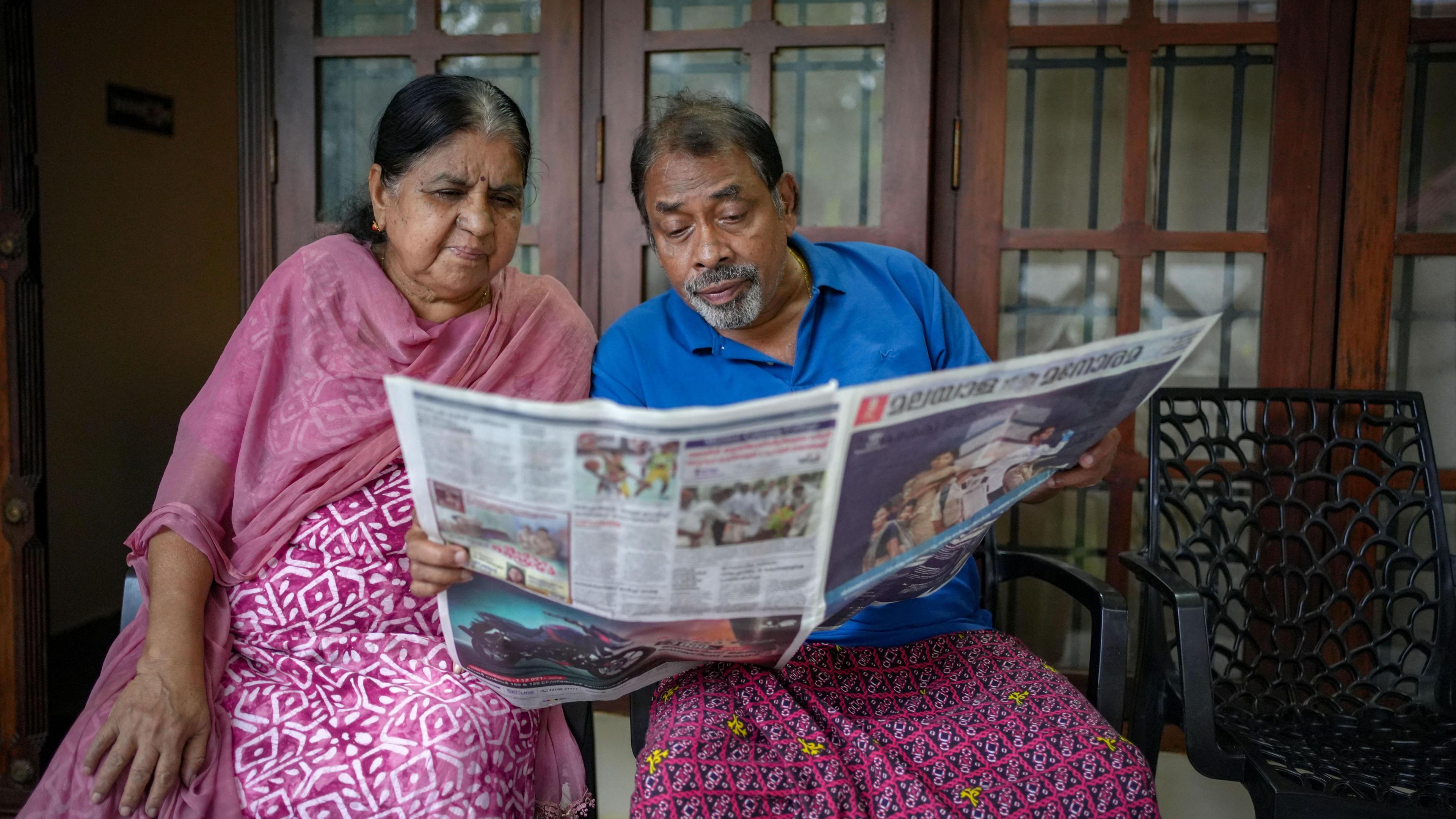
In Kerala, a 70‑year‑old man named TO Dominic starts most mornings with a call to his sons, one in Karnataka and the other overseas. Both left home years ago for better work, leaving Dominic and his wife MJ Martha with a silent house and little help at home.
The situation is not unique – the state, India’s fastest‑ageing region, is seeing more seniors living alone as migration and lower birth rates strip families of traditional caregiving links. In 2036, Kerala expects 22.8% of its population to be over 60, higher than the national average of 14.9%.
To address the problem, Kerala last month announced India’s first dedicated Department of Elderly Welfare. Its chief, Dr Rathan Kelkar, calls the launch a milestone that will coordinate pensions, the Vayomithram community palliative system and new welfare schemes under one umbrella.
The department’s flagship strategy is “ageing in place”: keeping seniors in their own homes and communities while ramping up home‑based care, social prescribing, and certified caregiver training. Planned facilities include elderly parks, day‑care centres, and fitness hubs that aim to reduce loneliness and foster social interaction.
Kelkar stresses that ageing touches every public domain—healthcare, housing, transport, technology and employment—and that a coordinated approach is needed to meet the state’s long‑term Silver Economy roadmap.
Officials note the department has only ₹100 million for the first year—a symbolic amount that will support pilot projects and data‑collection, not a full funding for a vast service overhaul. Critics argue that without a regulated private sector and uniform standards, the policy may fall short of providing real, on‑hand support for seniors who cannot rely on distant family.
“No single department can solve all the challenges of ageing,” notes Dr Prasun Chatterjee, a geriatric specialist at Apollo Hospital in Delhi, underscoring the need for day‑care centers, community spaces and accessible primary care.
Despite the ambition, the state’s elderly still depend on neighbors for everyday help. Mrs Martha sums it up: “We crave a call that can also bring someone to our home.”