The world's biggest social media companies are not doing enough to keep children in Australia off their platforms, the country's internet regulator says, despite a law that came into effect late last year. The legislation banned everyone under the age of 16 from 10 platforms, but eSafety says it has significant concerns about the compliance of Facebook, Instagram, Snapchat, TikTok, and YouTube.
Australia's ban was justified by campaigners and the government as necessary to protect children from harmful content and addictive algorithms. It is being closely watched, with countries, including the UK, looking at whether similar laws should be adopted.
In its first report since the ban was instigated in December, the regulator said it had identified a number of poor practices from the five platforms. These include giving children who had declared they were under 16 before the ban the chance to show that they were, in fact, over 16; enabling under-16s to repeatedly attempt the same age assurance method; insufficient measures to prevent new under-16s from creating accounts; and not providing effective ways for parents to report under-16s who still had access to social media.
Limited data has been released since the ban came into force. In January, the regulator said 4.7 million accounts had been restricted or removed in the first month since the law took effect on December 10. While social media platforms have taken some initial action, I am concerned through our compliance monitoring that some may not be doing enough to comply with Australian law, Australia's eSafety Commissioner Julie Inman Grant said.
The regulator, which had until now been monitoring the situation, says it will begin enforcing the restrictions and gathering evidence. The evidence must establish the platform has not taken reasonable steps to prevent children aged under 16 from having an account, Inman Grant said. That means more than simply demonstrating some children do still have accounts. Rather, the evidence must show the platform has not implemented appropriate systems and processes.
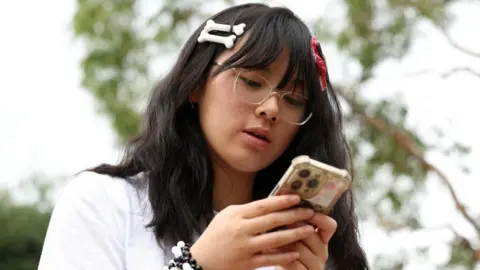
While the ban was brought in with huge fanfare, it is widely acknowledged that many under-16s continue to use the 10 platforms covered by the law. When the BBC visited a school in Sydney last month, the majority of students who used social media before the ban still had access. Some claimed they had not been asked to prove their age, while others said they had got around the age assurance methods.
One pupil claimed that, of 180 girls in her year group, she was aware of only three who had been booted off platforms. Parents across Australia have widely supported the policy, with many stating that having the government on their side helps them keep their children off social media.
However, critics argue that the solution lies in education about potential harms rather than outright bans. Concerns have also been raised regarding the ban's enforceability and its impact on minority groups who rely on online communities. Recently, the eSafety commissioner stated that the reform was unwinding 20 years of entrenched social media practices, emphasizing that social media platforms have the capability to comply with the law today. Many parents have expressed that the law empowers them to refuse their children’s requests for social media accounts, contributing to a cultural change in how youth interact with technology.
Australia's ban was justified by campaigners and the government as necessary to protect children from harmful content and addictive algorithms. It is being closely watched, with countries, including the UK, looking at whether similar laws should be adopted.
In its first report since the ban was instigated in December, the regulator said it had identified a number of poor practices from the five platforms. These include giving children who had declared they were under 16 before the ban the chance to show that they were, in fact, over 16; enabling under-16s to repeatedly attempt the same age assurance method; insufficient measures to prevent new under-16s from creating accounts; and not providing effective ways for parents to report under-16s who still had access to social media.
Limited data has been released since the ban came into force. In January, the regulator said 4.7 million accounts had been restricted or removed in the first month since the law took effect on December 10. While social media platforms have taken some initial action, I am concerned through our compliance monitoring that some may not be doing enough to comply with Australian law, Australia's eSafety Commissioner Julie Inman Grant said.
The regulator, which had until now been monitoring the situation, says it will begin enforcing the restrictions and gathering evidence. The evidence must establish the platform has not taken reasonable steps to prevent children aged under 16 from having an account, Inman Grant said. That means more than simply demonstrating some children do still have accounts. Rather, the evidence must show the platform has not implemented appropriate systems and processes.
While the ban was brought in with huge fanfare, it is widely acknowledged that many under-16s continue to use the 10 platforms covered by the law. When the BBC visited a school in Sydney last month, the majority of students who used social media before the ban still had access. Some claimed they had not been asked to prove their age, while others said they had got around the age assurance methods.
One pupil claimed that, of 180 girls in her year group, she was aware of only three who had been booted off platforms. Parents across Australia have widely supported the policy, with many stating that having the government on their side helps them keep their children off social media.
However, critics argue that the solution lies in education about potential harms rather than outright bans. Concerns have also been raised regarding the ban's enforceability and its impact on minority groups who rely on online communities. Recently, the eSafety commissioner stated that the reform was unwinding 20 years of entrenched social media practices, emphasizing that social media platforms have the capability to comply with the law today. Many parents have expressed that the law empowers them to refuse their children’s requests for social media accounts, contributing to a cultural change in how youth interact with technology.