In brief
In a landmark decision, Kenya’s High Court dismissed a Rastafarian group's bid to legalise cannabis use for religious purposes, citing lack of evidence that drug laws violate constitutional rights. The ruling underscores the need for a national conversation about cannabis regulation, while proponents argue that legalising and taxing the drug could boost employment and revenue. The case highlights the tension between faith-based arguments and public law, and the court’s decision may shape future policy discussions on controlled substances in Kenya.
On Thursday, Kenya’s High Court was the first to bring the country’s complex cannabis debate to a judicial verdict. The court dismissed a petition filed by a collective of Rastafarian leaders who argued that the ban on smoking cannabis infringed on their constitutional right to freedom of religion and belief.
Justice Bahati Mwamuye delivered the judgment, stating that the community had failed to prove that the nation’s drug laws are unconstitutional. Nevertheless, the judge called for a broader national conversation on the subject, noting that cannabis touches on social, economic and health policy spheres.
Proponents of legalising cannabis in Kenya point to potential job creation, tax revenue gains and new medicinal industries. They argue that a regulated framework could harness the plant’s economic benefits while maintaining public safety.
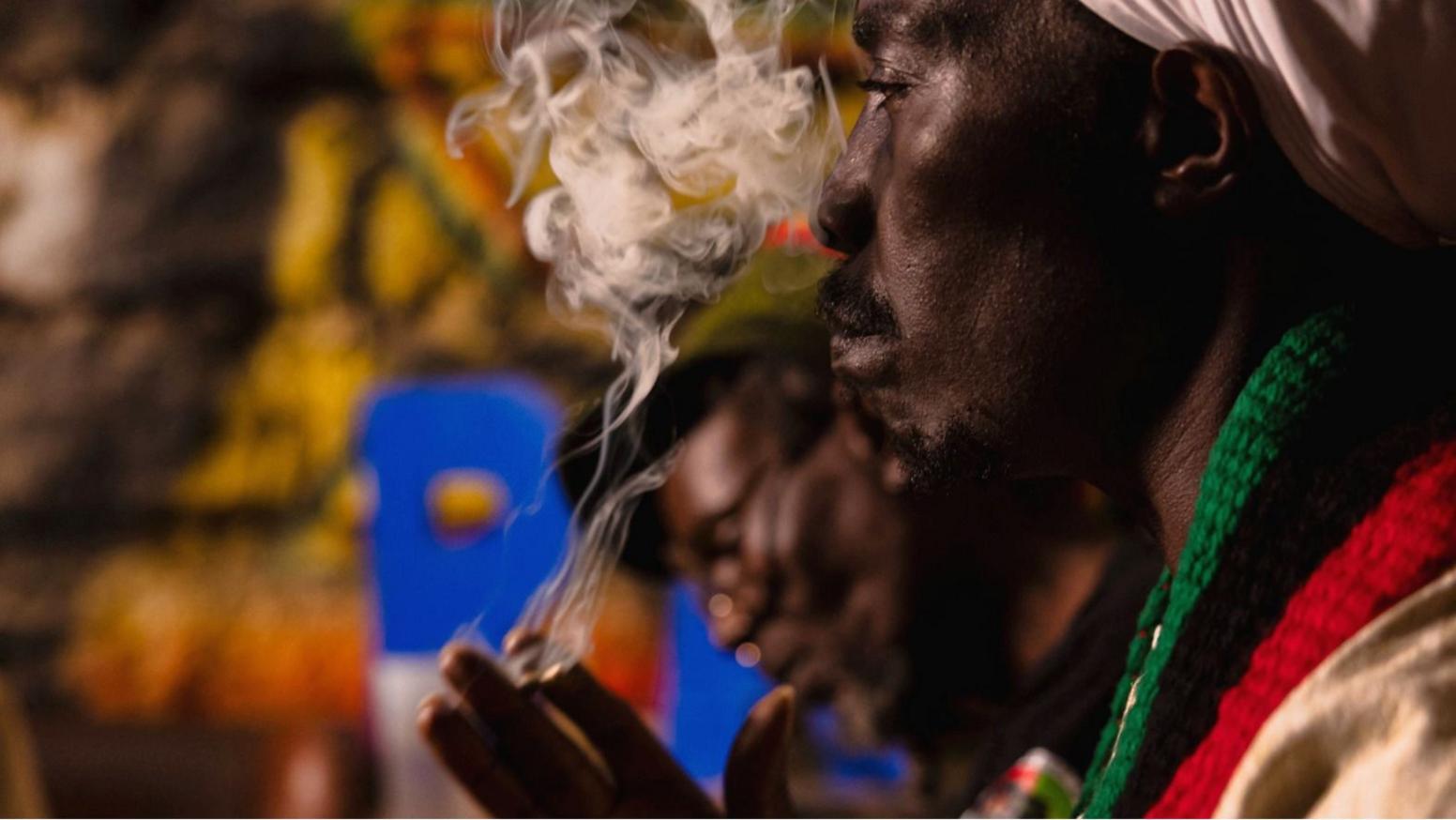
The Rastafarian community insists that inhaling cannabis is a core part of their spiritual practice and therefore deserves protection under the law. The court’s ruling, however, emphasises that religious freedoms must be balanced against the state’s duty to enforce drug policies that safeguard public welfare.
“This is not a question for the Rastafarian community alone. It is a national question that cuts across the entire spectrum of our society.”