In brief
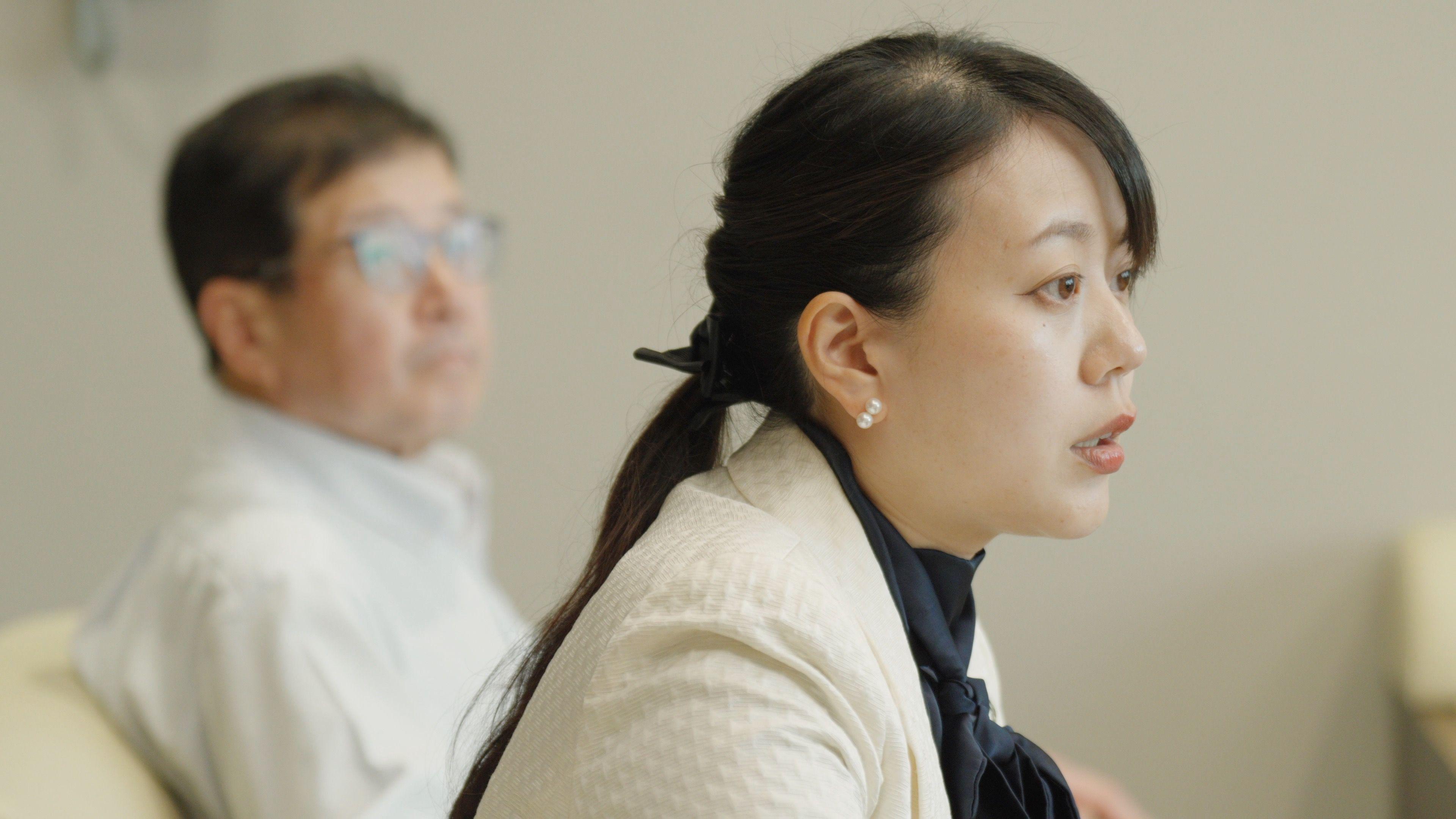
In early July, 35‑year‑old Mayor Shoko Kawata announced a four‑month maternity leave in Yawata, a move that made her Japan’s first female mayor to do so. While her staff welcomed the decision, online reactions ranged from praise for breaking gender norms to criticism that elected officials should stay on duty. Kawata’s case highlights the lack of legal provisions for politicians and invites a broader conversation on whether public office can be compatible with family life. The move has prompted calls for new policies that allow women to balance career and parenting without penalty.
On 2 July, Shoko Kawata, the 35‑year‑old mayor of Yawata—a quaint town south of Kyoto—announced that she would step away from her duties for four months to have her first child. Because Japan’s local government has no statutory framework for elected officials to take maternity leave, Kawata is delegating authority to her deputy, Shigeto Nose, rather than filing an official leave request.
Inside her city hall, Kawata’s colleagues welcomed the move, saying it was a “progressive” decision. Yet the public response was much more mixed. Thousands of comments flooded X and YouTube, with some applauding the mayor’s prioritisation of family, while others called her absence an “irresponsible” act that could set a harmful precedent for politicians. A handful of critics even urged that a mayor in her position should resign rather than take leave, and several voices demanded that her salary be cut during her maternity period.
The situation brings to light Japan’s ongoing struggle with gender parity in politics. Out of 1,720 municipal leaders nationwide, women comprise only 4 %. Despite the country’s status as a global economic power, 2025’s World Economic Forum report placed Japan 118th out of 146 nations on the gender gap index. A Cabinet Office survey released in July 2025 identified pregnancy, gender stereotypes, and workplace harassment as top barriers to entry for women in public office.
Kawata herself has pressed for a cultural shift that allows elected officials to balance duty and domestic life. She said, “If those of us who are capable of having children can be judged for taking leave, we effectively exclude dozens of potential leaders.” Her deputy, who has not taken paternity leave, has reflected on modern family dynamics, noting the increasing frequency of fathers working from home or taking extended breaks to support new births.
The debate surrounding Kawata’s maternity leave is not just a local or national issue; it represents a broader global conversation about work‑life integration for public servants. As Japan pushes for higher reproductive rates and a more inclusive workforce, the mayor’s decision could pave the way for new statutes that formally recognize the rights of politicians to take maternity and paternity leave without undermining their responsibilities.