The International Criminal Court (ICC) has announced a significant breakthrough in its probe of the mass killings that took place in the Sudanese cities of el‑Fasher and el‑Geneina, where combatants from the Rapid Support Forces (RSF) were implicated.
The court’s deputy chief prosecutor, Nazhat Shameem Khan, confirmed the finding of concrete evidence linking RSF leadership to war crimes and crimes against humanity, marking a pivotal moment in a decades‑long investigation.
RSF seized el‑Fasher in October last year, leading to the slaughter of more than 6,000 civilians—a figure cited by the United Nations as an indicator of genocide. The violence in el‑Geneina similarly involved widespread killings, according to UN reports. Although the RSF denies that the atrocities were ethnically motivated or part of a systematic campaign against non‑Arab communities, it has acknowledged that some violations occurred.
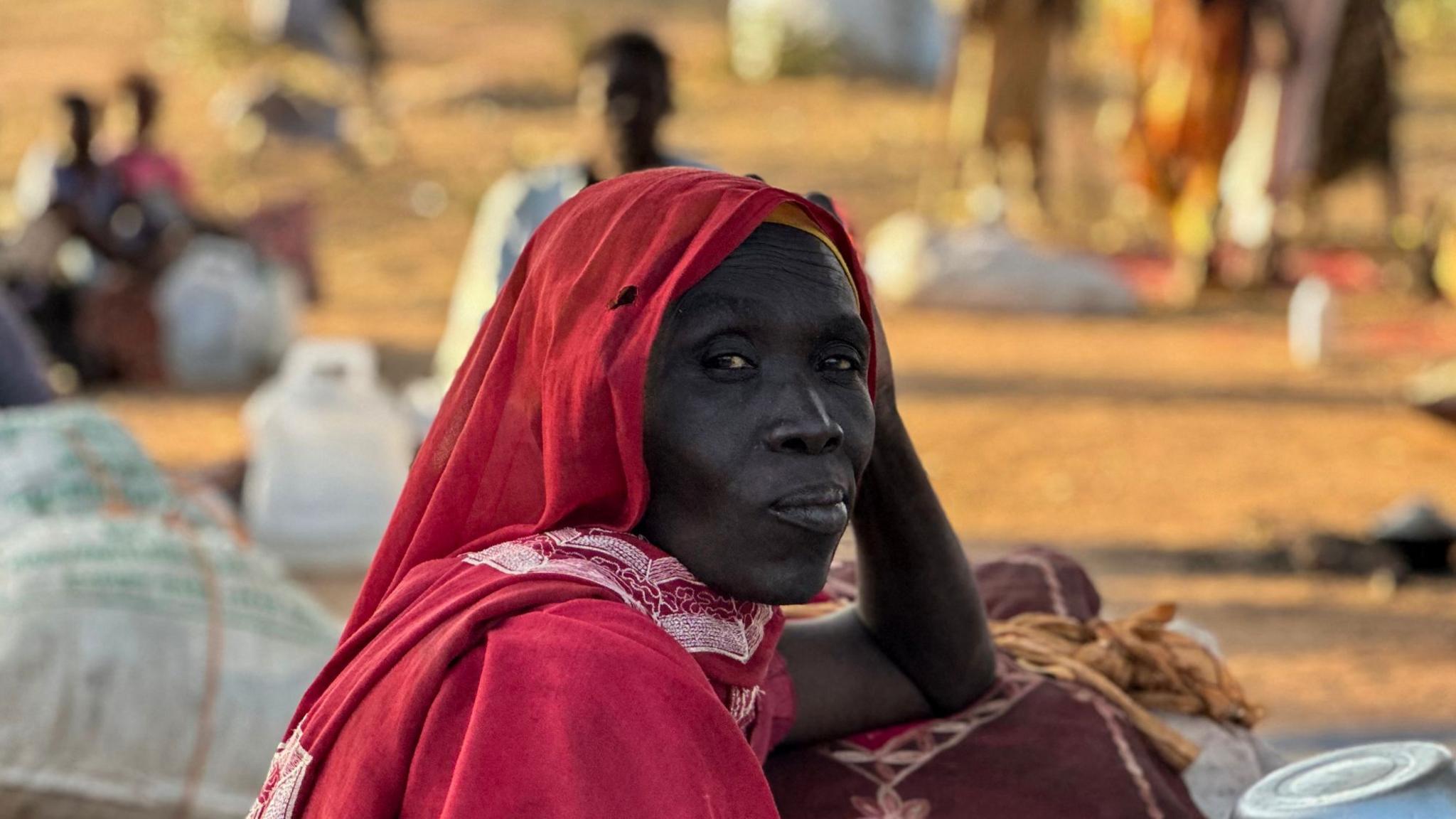
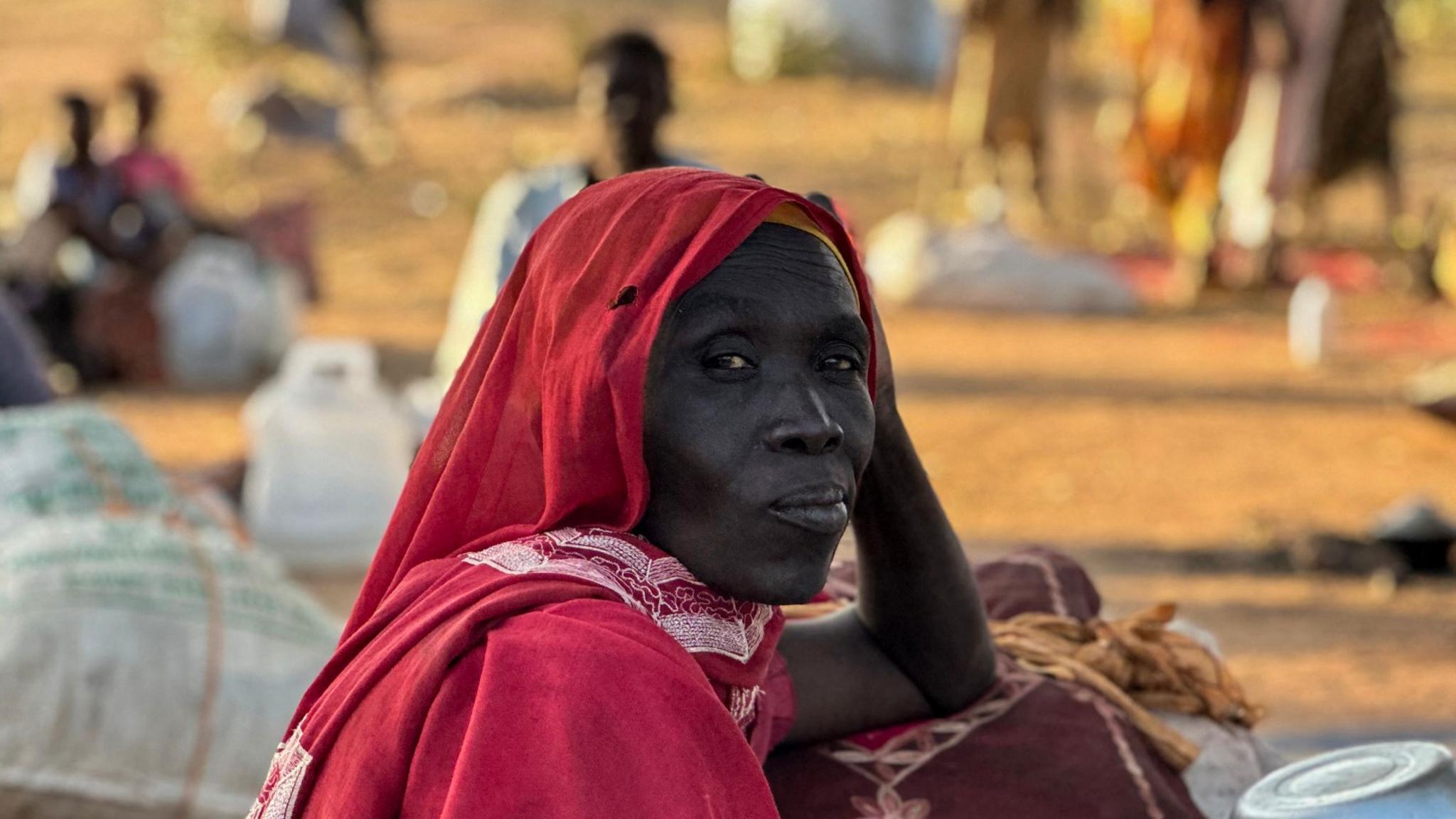
The evidence uncovered includes witness statements from refugees in eastern Chad, publicly available videos and photographs, and forensic data gathered by the ICC’s team. These documents show patterns that mirror the 2000s Darfur conflict, reinforcing the court’s longstanding focus on the region.
While the ICC has yet to set a definitive timeline for prosecuting those implicated, Khan stressed that the “breakthrough” has established a clear chain of responsibility. The court will need time to build a case and present it in The Hague, but the findings open the door to potential indictments of RSF leaders, including General Gen. Mohamed Hamdan Dagalo, who has pledged investigations into atrocities.
This development follows a history of ICC activity in Sudan that began over twenty years ago. Previous investigations have led to arrests and indictments, most notably the conviction of former President Omar al‑Bashir on war‑crime charges. The present breakthrough demonstrates the court’s ongoing commitment to hold perpetrators accountable, even amid a complex civil war that pits the RSF against the Sudanian army.
The ICC’s findings will likely influence international diplomatic efforts and future legal proceedings. As refugees spread across borders and global attention intensifies, the court’s work remains a crucial tool to enforce international law and deter future atrocities in Sudan and beyond.