It was the wedding of the daughter of a Nepalese politician that first angered Aditya. The 23-year-old activist was scrolling through his social media feed in May when he read complaints about how the high-profile marriage ceremony sparked huge traffic jams in the city of Bhaktapur. Frustrated by the blocking of a major road for VIP guests, including the prime minister, Aditya decided that the situation was really unacceptable. This spurred him to take action against perceived corruption and extravagance displayed by politicians and their families.
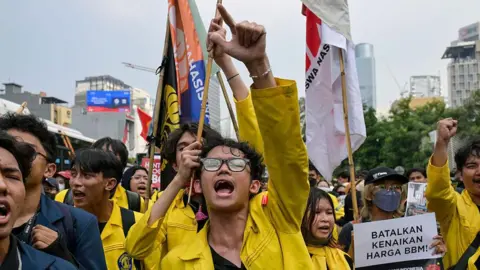
On 8 September, Aditya joined thousands of other young protesters in Kathmandu, embodying a broader movement that has swept across Asia. Countries like Indonesia and the Philippines have witnessed similar demonstrations, all driven by Generation Z grievances regarding governmental corruption and social inequality.
These protests erupted into violent confrontations with authorities, resulting in significant casualties and political turmoil. In Nepal, clashes led to the resignation of Prime Minister KP Sharma Oli, while protests in Indonesia have been marked by a strong public outcry against the lavish lifestyles of lawmakers juxtaposed against rising poverty.
The term nepo kids has emerged in the protests as young activists criticize children of politicians who seemingly benefit from privilege while ordinary citizens struggle to make ends meet. Online platforms have played a critical role in organizing these movements, with the pervasive influence of social media enabling rapid mobilization.
Young activists like Aditya utilized AI and social media for their campaigns, attempting to counter government restrictions on information dissemination. Their efforts highlight an era where digital technology empowers youth movements like never before, while also posing risks through potential governmental crackdowns.
As activists forge alliances across borders, the movements represent solidarity against corruption while simultaneously facing challenges in translating their energy into sustainable political change. Observers note the leaderless nature of these protests may hinder cohesive and effective political strategies moving forward.
The outcome of these movements remains uncertain, as governments worldwide grapple with addressing the underlying issues that sparked such widespread discontent among the youth of today.