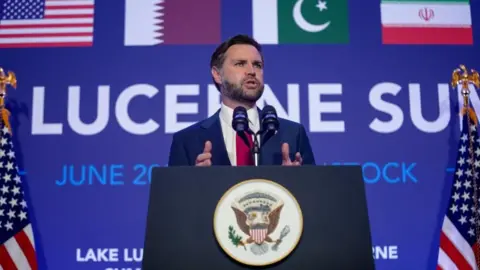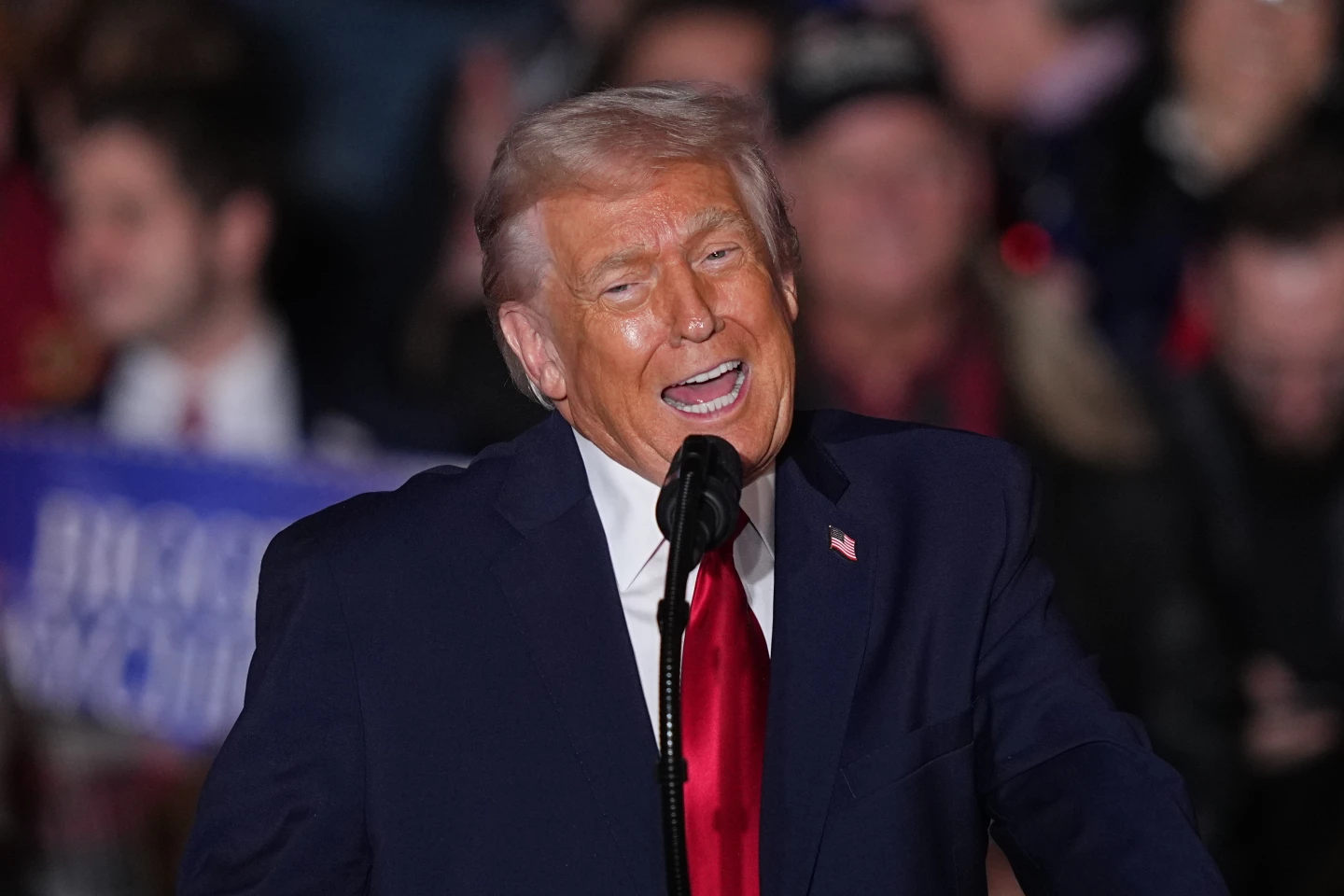
In a notable shift, political figures like President Trump and Vice President Vance have begun making headlines for their use of profanity in public settings, with Vance even referring to a podcast host as a 'dips---' earlier this year. This echoes a growing trend where vulgar language is becoming commonplace in the political arena, as exemplified during a recent campaign rally where Trump used expletives multiple times.
Once viewed as inappropriate for public discourse, profanity from politicians is no longer shocking. The remarks often aim to connect with the public on a raw, emotional level, showcasing a brash style that many see as a rejection of traditional political correctness.
Supporters argue that this shift reflects authenticity, allowing leaders to appear relatable and modern. However, this trend raises questions about the limits of language in politics. Are these remarks engaging constituents or merely appealing to shock value?
Many Democratic leaders have also embraced this new communication style. Former Vice President Kamala Harris drew applause from supporters after using strong language to criticize the Trump administration, demonstrating the effectiveness of bold messaging in rallying public support.
As American politics gears up for the upcoming elections, the emergence of profanity as a norm raises concerns. Redundant expletives may lose their power to engage audiences, potentially distracting from pressing issues at hand. Observers note that while tough talk isn’t new, it’s the public embrace of vulgarity that marks a significant departure from past political comity.
In light of this cultural shift, questions abound about whether politicians can still effectively communicate without resorting to profanity and how voters will respond to this evolving discourse in future elections.