
In brief
As Sudan grapples with its worst humanitarian crisis, millions of children like Mahmoud are fleeing violence and hunger. With international aid urgently needed, the UN highlights Sudan's plight amidst global distractions.
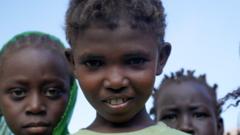
Sudan is currently experiencing a catastrophic humanitarian crisis, with over five million children displaced due to ongoing armed conflict. The plight of these children, including 13-year-old Mahmoud, who has been forced to flee twice, underscores the profound suffering inflicted by a war that has severed families and stripped away their homes.The United Nations warns that Sudan's crisis, described as "invisible," has left more than half of the population—approximately 25 million—needing immediate assistance. Tom Fletcher, the UN’s new humanitarian chief, emphasized this during his recent field mission to Sudan, noting that the humanitarian efforts are largely carried out by local Sudanese who understand the devastation firsthand.Mahmoud currently resides in an orphanage in Kassala, having been displaced from Khartoum during a surge in violence that erupted in April 2023 between the Sudanese army and the paramilitary Rapid Support Forces (RSF). The conflict has not only left children homeless but also jeopardized their basic needs, with famine already declared in certain regions and millions on the brink of starvation.Despite the obstacles, efforts to deliver aid are progressing. Following high-level discussions in Port Sudan, army chief Gen Abdel Fattah al-Burhan announced a facilitation of aid operations, allowing the UN to establish additional supply points and access regional airports. This development, albeit small, brings hope to communities cut off from vital resources, with the UN World Food Programme laboring to reach those in dire need.However, there are critics within the aid community who argue that the UN's recognition of Gen Burhan as Sudan's de facto leadership hampers efforts. For effective aid distribution, key access points are controlled by his authorities, creating a complex landscape for humanitarian work. Fletcher asserts the necessity of cooperation with all parties involved to bypass these barriers and ensure crucial assistance reaches those suffering the most.Amid the escalating violence, the humanitarian situation in Sudan has also led to a significant surge in gender-based violence, including sexual violence seen as a weapon of war. Concurrently, community-led initiatives like Mama Nour’s 'Shamaa' safe house offer shelter and support for women and children in need. Despite the overwhelming challenges, local leaders stress the importance of unity among Sudanese people to combat their crisis.As the conflict continues and the humanitarian situation remains dire, the voices of Sudanese citizens underscore the urgent need for international attention, assistance, and solidarity with those who have lost everything to war.
