In brief
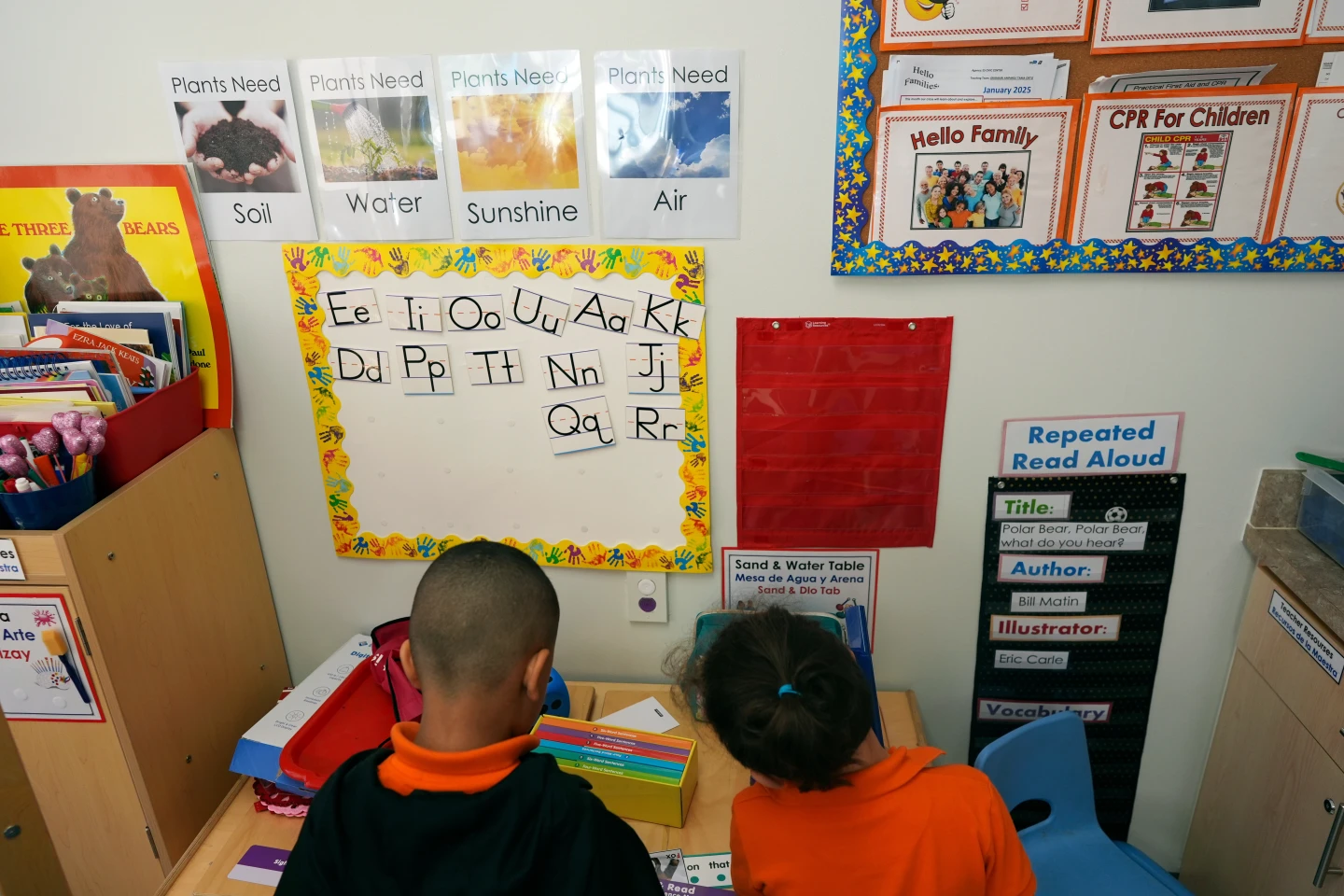
Hundreds of thousands of low-income children are affected by the ongoing government shutdown as Head Start centers close due to a lack of federal funding. Many families rely on these services not only for education but also for meals and support, adding to their financial strain. With emergency funds running low, parents face tough choices between work and childcare.
As the government shutdown rolls on, many Head Start centers are facing unprecedented closures, leaving working parents in dire circumstances for childcare. The shutdown has deprived these centers of crucial federal funding, with some programs estimating they will stay closed indefinitely.
The situation is particularly grave for Head Start programs, which cater to the nation’s low-income families. These programs often double as a crucial support system for children from disadvantaged homes, providing education, nutrition, and essential services that contribute to their overall well-being and development.
“Children love school, and the fact that they can’t go is breaking their hearts,” expressed Sarah Sloan, who oversees Head Start centers in Ohio. “It's hampering our families' ability to put food on the table and ensures their safety during work hours.”
With 140 programs halted due to a lack of funding, thousands of children are missing out on not just education, but also regular meals and family support. Families are left grappling with the stark reality of being forced to take their young children to work in the fields or in other precarious situations for lack of viable childcare options.
Some centers have managed to scrape by using emergency funds, yet the longevity of these measures remains uncertain. The plight of families relying on programs like SNAP for food assistance further complicates matters; with federal initiatives threatened, local support systems are doing their best to fill the gaps, but many families are feeling the pressure.
“We’ve had parents crying,” shared Deborah Mann, executive director of a center in Kansas City. “There’s immense stress about food security and childcare availability.”
As community organizations strive to support affected families, the question remains: how long can they sustain this effort before the burdens of continued government shutdowns weigh them down irreparably?