WASHINGTON (AP) — As the government shutdown stretches into its 30th day, urgency is building among senators, House Speaker Mike Johnson, and possibly the White House, to bring it to a close. The shutdown's repercussions are being felt nationwide, with many Americans scrambling for basic necessities.
The dysfunction of a shut-down federal government has forced Alaskans to stockpile meat and fish in anticipation of a long winter, as SNAP food aid is also expected to run out soon. In Maine, residents are filling home-heating oil tanks, awaiting federal subsidies that are absent due to the ongoing impasse.
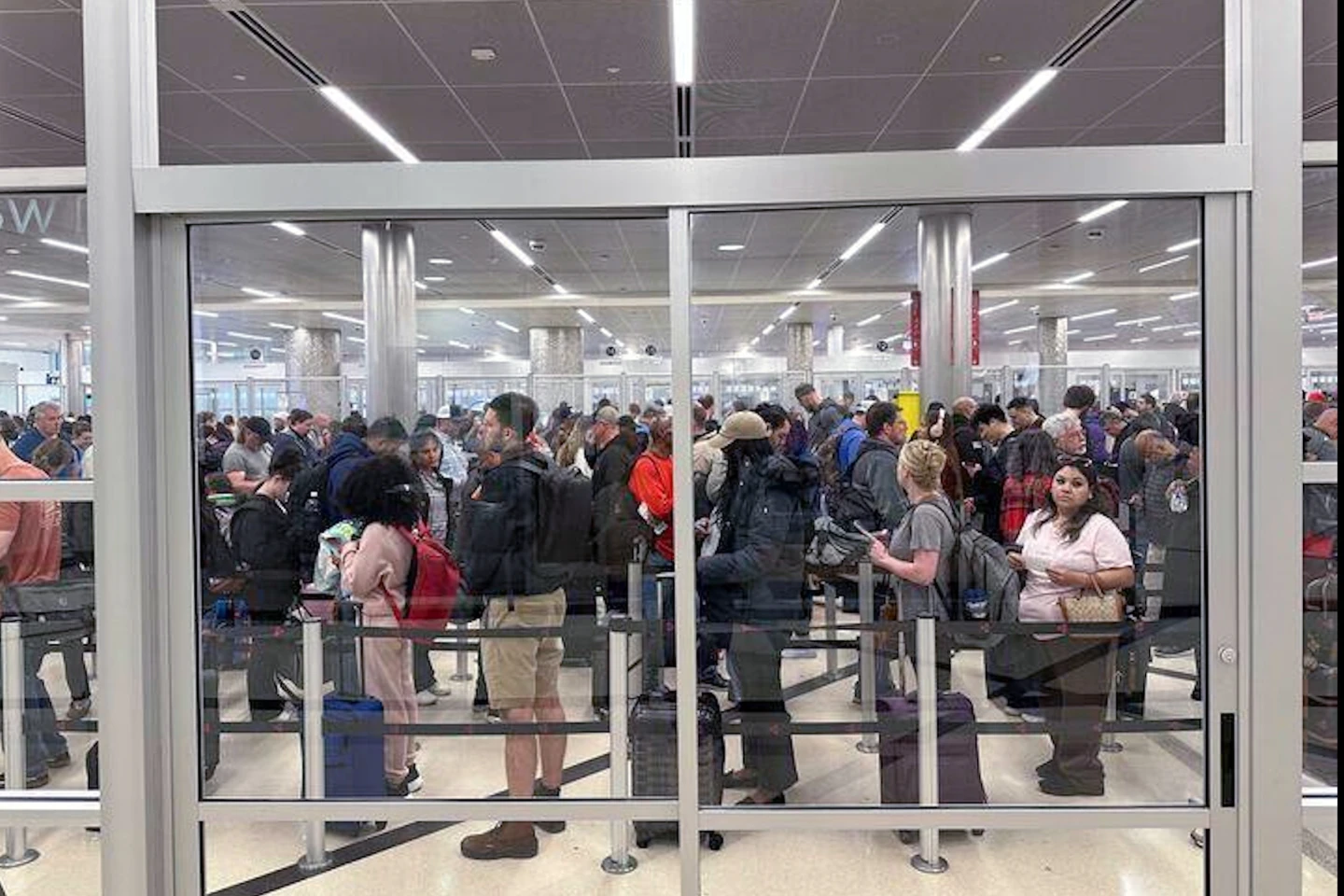
Travel disruptions are also rising as flight delays become common, impacting holiday plans for many. Meanwhile, workers across various sectors are facing unpaid bills, exacerbating the anxiety long felt by families dependent on government assistance.
Senator Lisa Murkowski expressed the fears over food shortages, stating, People are stressing... We are well past time to have this behind us.
While quiet negotiations have begun among bipartisan senators, the shutdown is not expected to conclude before the impending Saturday deadline, which could spotlight food insecurity in America, where one in eight individuals relies on government support for sustenance.
Military Funds Secured, Food Aid Compromised
Despite ensuring military payments continue through fund reallocations, the White House has resisted dipping into those same funds for food assistance programs. This summer, President Trump's significant tax bill already cut substantial amounts from the Supplemental Nutrition Assistance Program (SNAP), threatening to take 2.4 million recipients off the rolls.
As open enrollment for health insurance starts, Americans shopping for coverage are witnessing dramatic spikes in premium prices. We are holding food over the heads of poor people to take away their health care, lamented Rev. Ryan Stoess after gathering with religious leaders at the Capitol.
Future Negotiations Loom
The House remains closed under Speaker Johnson, and senators are set to depart shortly for a long weekend, with Trump returning from an overseas trip. This situation suggests the shutdown could easily extend into the following week, positioning it to become the longest in U.S. history.
The next pivotal moment will follow the upcoming off-year elections in New York City, Virginia, and New Jersey. Observers hope that electoral outcomes might prompt leaders to negotiate more earnestly towards resolving the impasse.
I hope that it frees people up to move forward with opening the government, commented Senate Majority Leader John Thune.
Republicans in Uncharted Waters
Ironically, many Republicans find themselves defending the furloughed workers and programs they typically seek to cut. This policy shift illustrates their complex position, approaching the already reduced funding for Medicaid and SNAP, especially post-summer with newly imposed work requirements on recipients.
Democratic leader Hakeem Jeffries criticized this stance, emphasizing their commitment to enhancing life quality for Americans, while pointing out a Republican-created health care crisis. As discussions about health care costs continue, insightful negotiations with Trump and Republicans could dictate whether SNAP assistance is preserved during the crisis.