In brief
At the Conservative Political Action Conference (CPAC) in Texas, the ongoing U.S. military operation in Iran sparked internal debate among Republicans. Younger conservatives expressed doubts about the war's justification and future, contrasting with older attendees’ firm support for Trump's actions. This growing generational divide poses a potential challenge for Trump as pressure mounts for a resolution to the conflict.
A majority of the American public, polls suggest, have been against the ongoing US-Israeli military campaign in Iran since it began.
Republicans, however, have largely stood by their president as the war approaches the end of its fourth week. But a divide is emerging within the party, highlighted recently at the annual Conservative Political Action Conference (CPAC) in Texas. Some conservatives expressed growing concern over the justification and cost of the war.
I just wish that there was more transparency on why we're doing what we're doing, that way you could send your loved one overseas and be OK with that, said Samantha Cassell, a CPAC attendee from Dallas. Her comments highlight the unease among some Republicans as they question President Trump's strategy and the endgame.
This year's CPAC, which has shifted in its tone from libertarian sentiments to hardline MAGA support over the years, saw a mix of opinions about the Iran conflict. Younger attendees, like 19-year-old Toby Blair and law student Shashank Yalamanchi, were critical, emphasizing that the war distracts from pressing domestic issues.
Despite the debate, factions within the conference demonstrated unwavering support for Trump, with older attendees emphasizing the need to combat perceived threats from Iran. Yet, vocal Iranian-American activists made their presence known, chanting support for U.S. military action.
Polling data reveals a fracture among Trump supporters. While overall approval remains high among Republicans regarding the war, strong approval is noticeably lower among younger citizens. This suggests a precarious position for Trump as he prepares for upcoming elections.
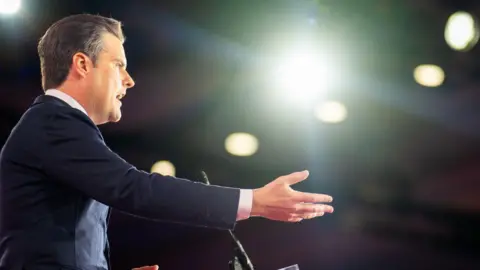
Former Congressman Matt Gaetz and others voiced concerns about the long-term impacts of the war, cautioning that military engagement may yield economic strain on the American populace.
As Trump continues to assert that the conflict is necessary, the discourse at CPAC indicates he may face increasing pressure to pivot towards a resolution, especially with emerging generational divisions risking the unified support he has historically enjoyed.