In brief
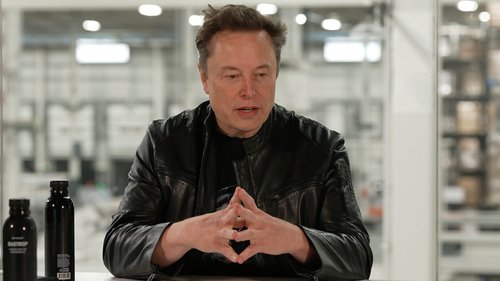
In a significant policy reversal, Prime Minister Keir Starmer has announced the initiation of a comprehensive national inquiry into child sexual exploitation and abuse in the UK. This decision comes in the wake of mounting pressure following recent criticisms, including pointed remarks from tech entrepreneur Elon Musk, who highlighted the urgency of addressing long-standing issues surrounding child abuse perpetrated by “grooming gangs.”
For several months, Starmer had faced backlash over his reluctance to establish such an inquiry, with critics arguing that the government had inadequately addressed the scale and severity of the allegations against these gangs, which are reported to have exploited thousands of children over the last two decades. Previously, the government maintained that ample reviews had already been conducted, prioritizing the implementation of findings from earlier investigations, which spanned seven years and included testimonies from approximately 6,000 victims.However, during a press briefing en route to the Group of 7 summit in Canada, Starmer revealed that he has now accepted recommendations from Baroness Louise Casey. Originally skeptical about the necessity of a national inquiry, Casey had reassessed the evidence and concluded that a formal investigation was warranted. “After reviewing her report in detail, I support her recommendation for a national inquiry,” Starmer stated to BBC reporters.This decision marks a pivotal moment in the UK’s handling of child protection issues, signaling a commitment to addressing the complexities of child sexual abuse and exploitation more transparently and effectively in the future.