In brief
A 64,000‑square‑foot Canadian Cold War bunker, the Diefenbunker, has been bought by crypto tycoon Jonathan Baha'i and is slated for conversion into 50 luxury ‘doomsday’ condos. The project will feature self‑sustaining food, biometric access, 24‑hour surveillance, on‑site medical services, and a high‑security data centre. While the initiative promises tourism and business opportunities for Debert, it also stirs debate over heritage preservation and the exclusivity of a modern survivalist lifestyle.
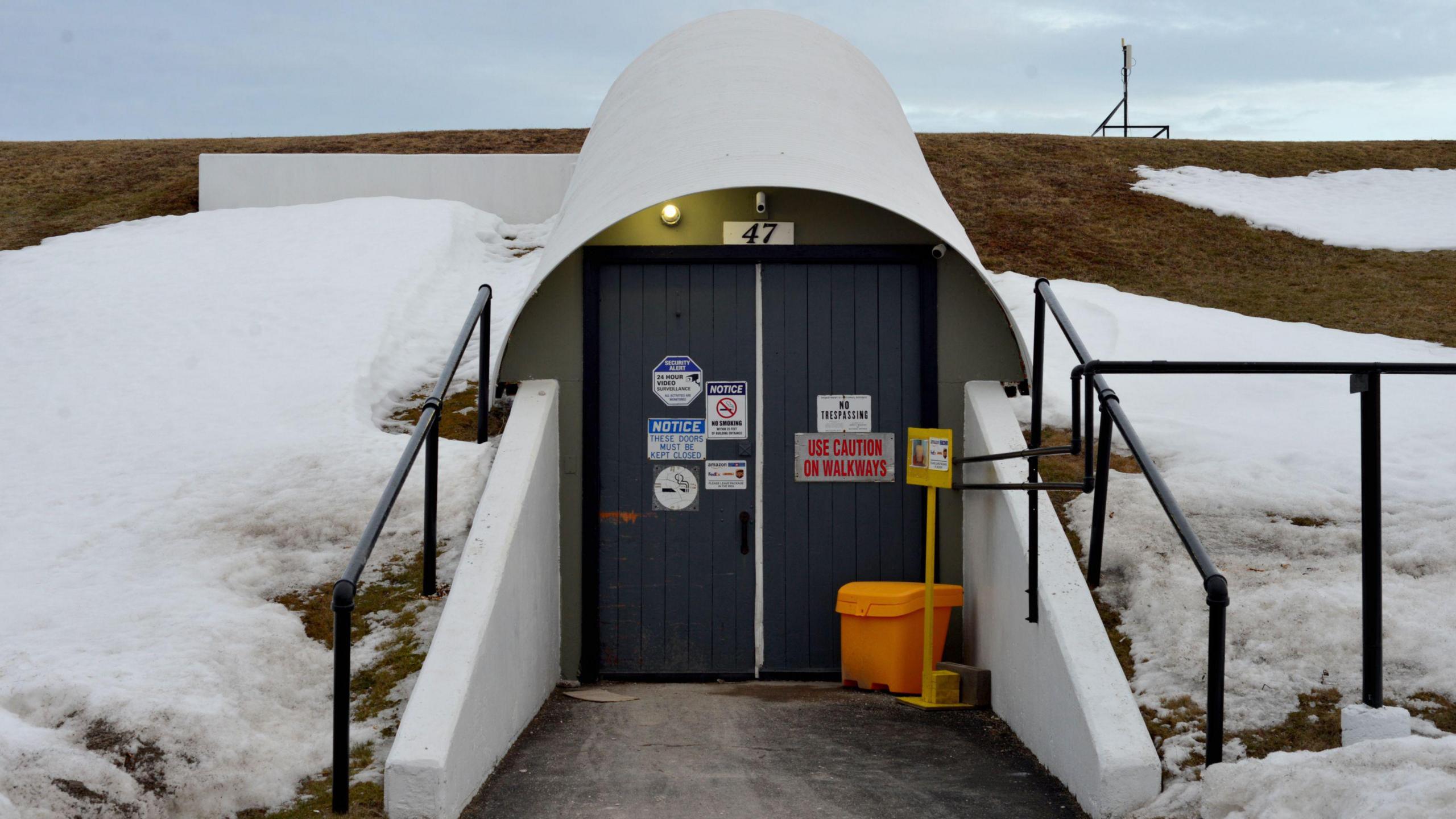
Just 70 miles north of Halifax, the small town of Debert sits on a former military training ground that now hosts Canada’s only remaining Diefenbunker, a concrete stronghold built during the Cold War to shelter 329 people for up to a month after a nuclear blast.
In 2013, crypto billionaire Jonathan Baha'i purchased the 64‑000‑square‑foot underground complex for a mere C$31,300 (about US$22,000). He turned the initial concept of laser‑tag arenas and a data centre into an audacious plan: 50 high‑end condos that offer “doomsday” protection for the world’s rich.
Each unit claims to be fully self‑sufficient. Features include gourmet dining sourced from an off‑grid, “self‑sustaining” food farm, biometric entry, continuous surveillance, emergency medical services, and even the ability to land a private plane at the nearby Debert Airport.
To further guarantee safety, Baha'i hired Bespoke Home and Yacht Security—a firm that reportedly served the U.S. Vice‑President and a reality star. Bespoke’s first assessment involved drone sweeps of the perimeter, ensuring the structure meets the highest security standards.
The project also plans a spa, yoga studio, cigar lounge and a separate above‑ground bunker that will serve as a quick‑grow greenhouse, all lit by modern OLED panels that mimic daylight. When owners are not in residence, the properties will be rented out as luxury hotel rooms, with the revenue shared between the owner and the management company.
Although the venture promises to create jobs and stimulate Debert’s economy, it has sparked a debate. Historian Annette Sharpe of the Debert Military Museum worries that the bunker’s heritage is being sold to private interests. Yet Debert Mayor Blair suggests the initiative is a novel way to preserve a historically significant site.
The global survival industry is booming; in the U.S. alone, preparations for potential disasters are estimated at over $500 million. Developers are building “survival condos” on former military bases across North America, and the Debert bunker follows in that trend.
The original structure cost an estimated C$2–3 million (about $30 million today) and now runs at roughly C$60,000 a year to operate. While steep, the luxury amenities and the promise of ultimate safety appeal to a niche market of billionaires and high‑net‑worth individuals.
Baha'i sees the venture as more than a bunker; it’s a secure, beautiful Airbnb that will be occupied when natural disasters or economic breakdowns threaten the outside world. He expects finishing work to be complete early next year, at which point the first units should be available for purchase.
Whether the Diefenbunker will become a beacon of resilience or a symbol of exclusivity remains to be seen. What is clear is that Debert is now hosting one of Canada’s most unusual property developments, blending Cold War history with 21st‑century luxury and emergency preparedness.