In brief
Albanian protests that began as a student movement demanding lower education costs have exploded into violent clashes across Tirana, Durrës, Shkodër, Korçë and Vlora. The government’s use of water cannon, tear gas and batons has prompted widespread criticism and claims of corruption. Prime Minister Edi Rama attributes the unrest to political rivals and foreign interference, while opposition leader Sali Berisha has been sidelined. Tourism, a key economic sector, faces uncertainty amid the unrest, prompting travel advisories. Analysts warn that unchecked violence could jeopardise Albania’s EU accession momentum.
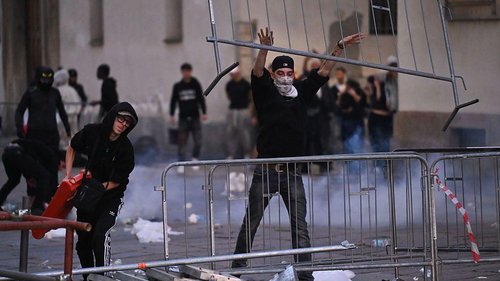
On Tuesday, thousands of students and long‑time demonstrators converged on Tirana in a flare‑up of the bitter anti‑government “Flamingo” movement that has been simmering for months. Police, armed with water cannon and tear gas, faced a crowd that turned the capital’s streets into a battleground.
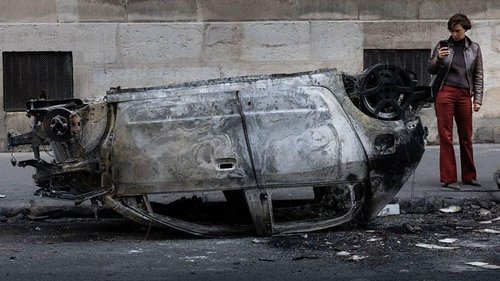
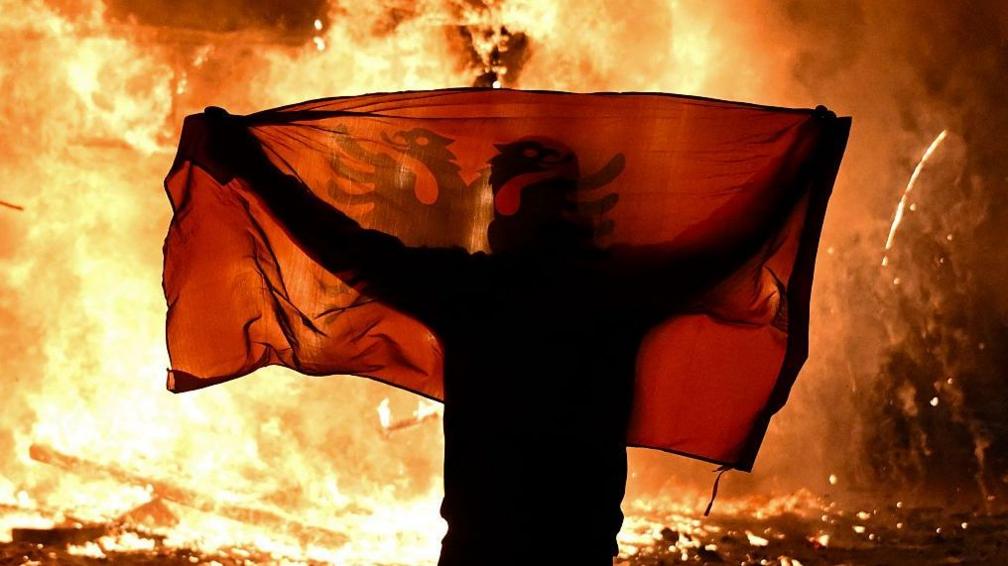
The clashes have spilled into Durrës, Shkodër, Korçë and Vlora, where government buildings, a ministry office and several private shops were set on fire. The demonstrators, who began demanding lower education fees and a lower cost of living, have added a new element of violence as masked protesters threw stones at officers.
Prime Minister Edi Rama has blamed opposition leader Sali Berisha for stoking the unrest, declaring that “the same hand that has burned Albania before is at the centre of this crisis now.” He vowed he would not resign, promising to "listen, address legitimate concerns and keep Albania moving forward", while suggesting that foreign powers were orchestrating the turmoil.
The long‑standing Flamingo protest movement—named after the pink bird that became a symbol of dissent—has grown in scope and ferocity. Those who joined the student movement say they do not represent any political party and insist their frustration stems from corruption and inadequate justice.
The violence has not gone unnoticed by the EU, which is keeping a close eye on Albania’s progress toward membership. The country’s image as a tourist destination is also under threat, with the UK government advising travelers to avoid all demonstrations and large gatherings.
For the present, the violence seems contained to key urban centres, but officials warn that further escalation could jeopardise the country’s economic stability and its long‑term European integration goals.