
In brief
In the lush highlands of Jebel Marra, Sudan's fertile land is overshadowed by a devastating civil war. While the region is capable of producing abundant crops, logistical barriers and ongoing conflict prevent farmers from selling their goods, leaving them to rot. With 25 million Sudanese facing severe food shortages nationwide, the plight of Jebel Marra's farmers illustrates the broader humanitarian crisis engulfing the country.
In Sudan, the Jebel Marra region presents a paradox: a fertile paradise amid widespread famine and conflict. This mountainous area, known for its vibrant agricultural activity, is now struggling against the realities of war.
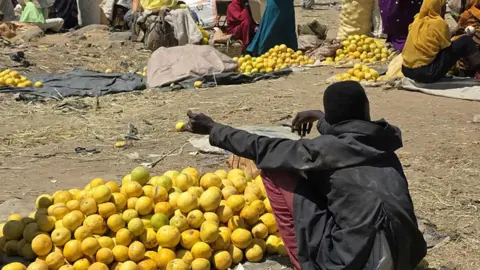
Dressed in bright colors and riding donkeys, local women daily tend to their fields, growing peanuts, oranges, apples, and strawberries. Once highly valued throughout Sudan, Jebel Marra's organic oranges now face an uphill battle to reach markets.
With half of Sudan's population—approximately 25 million people—confronting severe food shortages due to ongoing violence, the farmers here face a distinct problem: getting their produce to market. Instead of flourishing, crops are left to decay, as transportation is hindered by rampant insecurity and poor road conditions.
A local vendor, Hafiz Ali from Golo town, expressed the frustration: We almost sell them for free and sometimes get rid of them on the way, because they get rotten. The area, a last holdout of the Sudan Liberation Army - Abdulwahid (SLA-AW), remains neutral in the conflict, but it is becoming increasingly isolated as the fighting rages on.
As the conflict restricts access to national markets such as el-Fasher and Tine, Jebel Marra's farmers find themselves with a surplus of goods they cannot sell. The local markets have opened sporadically, with trade limited by danger and armed checkpoints.
Additionally, families fleeing from el-Fasher are seeking refuge in Jebel Marra, straining its already limited resources. Although this region has managed to maintain relative peace compared to other parts of Sudan, the humanitarian crisis continues to loom large.
The struggle is not just about farming but securing basic livelihoods. Many residents express a weariness of the ongoing war, yearning for peace to allow their fruits to thrive in the market rather than wilting in silence.
In the face of adversity, the people of Jebel Marra persist in their efforts, hoping to eventually sell their produce and sustain their families amidst the chaos around them.

