Ethiopia and Tigray Trade Hostile Accusations
For the past two years Ethiopia has waged a war in its northern region, Tigray, which officially ended in 2022 with the Pretoria Agreement. The peace accord, brokered by the African Union, promised a democratic political order and the return of displaced civilians. In the weeks since, both the federal government and the regional TPLF‑led administration have accused each other of new military offensives that threaten to bring the conflict back to full‑blown war.
Federal cabinet minister Getachew Reda, who once led the interim Tigray administration, slammed the TPLF, claiming fighters seized all federal airports in Tigray and launched further attacks in the Afar and Amhara regions. Two days prior, Tigrayan officials told the BBC that the TPLF had only gone on the defensive as a response to drone strikes and that they have no intention of opening new fronts.
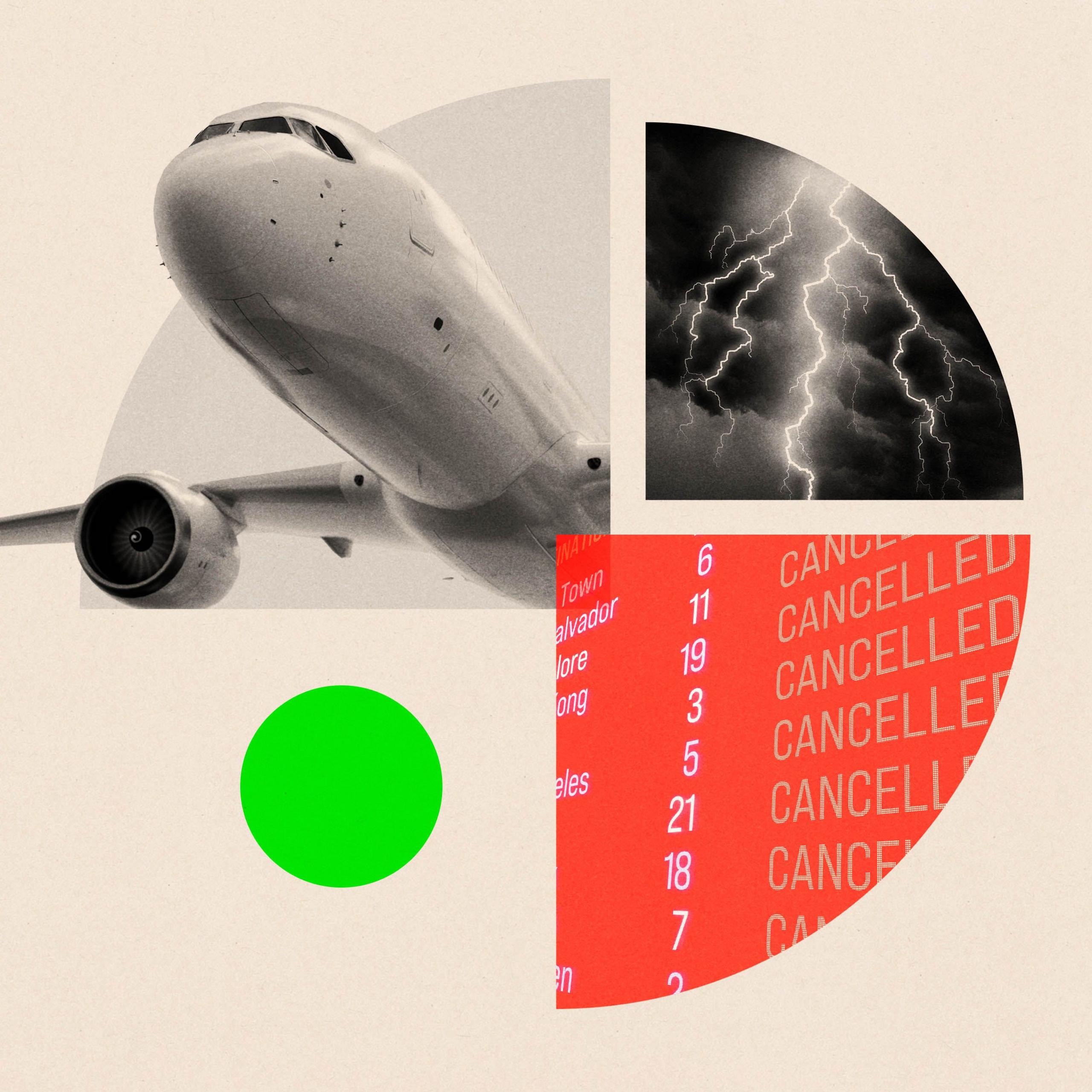
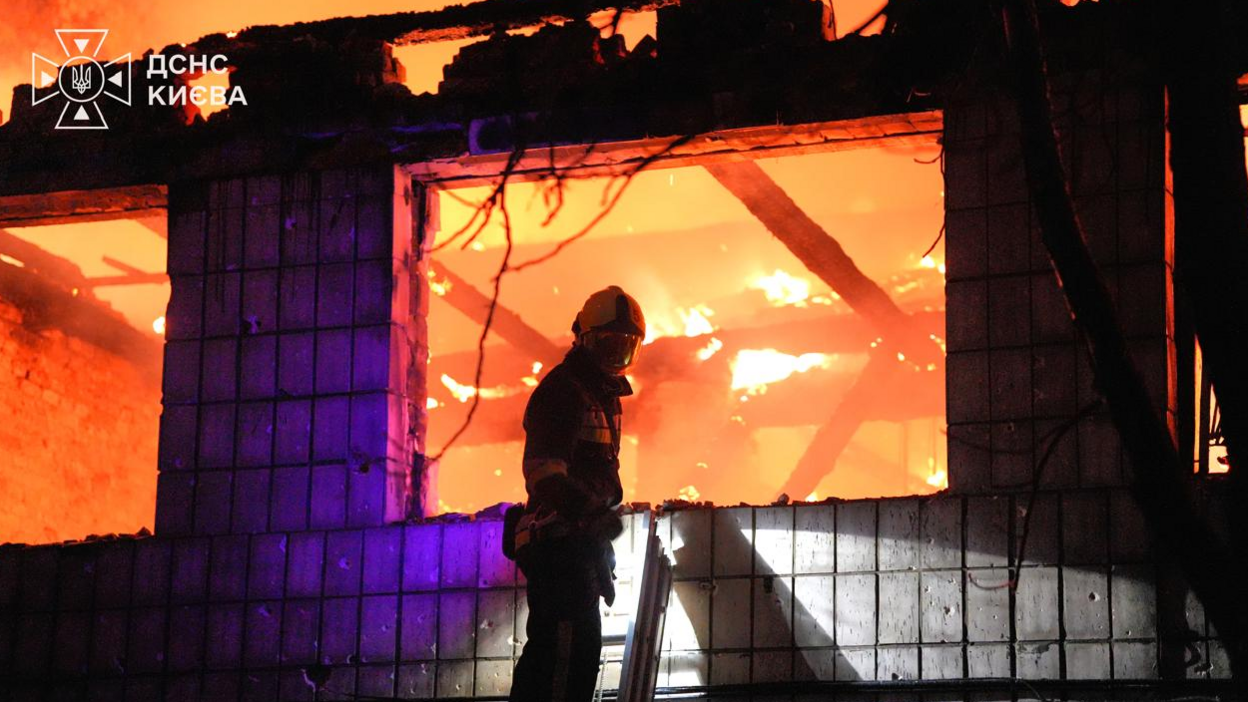
The latest exchange of accusations was accompanied by concrete incidents. Ethiopian Airlines cancelled all flights to Tigray after the airports in the region were reportedly seized by TPLF forces. Drone strikes in Alamata killed at least fourteen people and wounded more than twenty, with Tigrayan authorities blaming the federal forces for targeting civilians and secondary schools.
The United States has condemned what it calls an "unwinnable fight," urging for “immediate de‑escalation” and a return to dialogue. The African Union’s chief, Mahmoud Ali Youssouf, has also called for both sides to respect the Pretoria Agreement and resume negotiations, citing international humanitarian law and the risk of further famine.
Complicating the situation, the TPLF announced in a new alliance on Sunday that it will cooperate with six other Ethiopian rebel groups to “remove the government in Addis Ababa.” This is the first sign of a broader insurgent coalition, which further fuels fears of heavy clashes beyond Tigray.
With the domestic political calendar moving forward, Ethiopia’s federal government cannot afford a return to war. Nonetheless, the tension remains high and global observers continue to monitor the region closely for any signs of a fresh escalation.