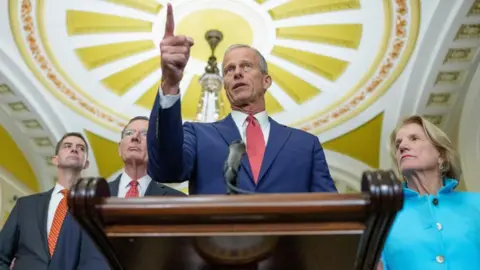
The US federal government has shut down after Republican and Democratic lawmakers failed to resolve a budget stand-off.
The impasse affects the funding of government operations throughout October and beyond, and is poised to cause widespread disruption for Americans in areas ranging from air travel to zoo visits.
The political gridlock is also expected to put 40% of the federal workforce – about 750,000 people – on unpaid leave.
This is how its impact could be felt across the US.
Your next flight
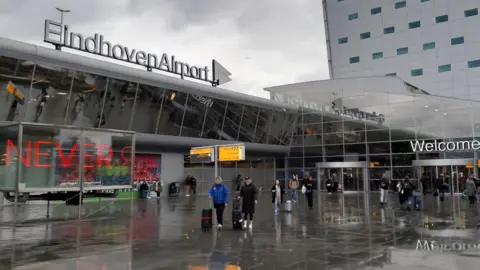
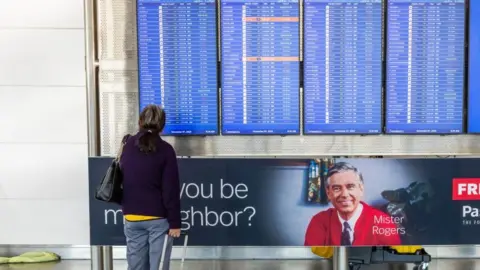
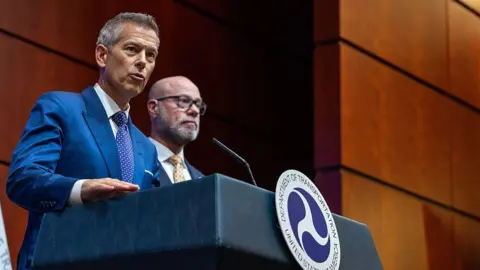
A federal shutdown could hit flyers in a variety of ways, potentially leading to long security queues and delays caused by unpaid air traffic controllers choosing to stay home rather than work for free.
Air traffic control and Transportation Security Administration (TSA) workers are considered 'essential', so they will continue to go to work. However, they will not be paid until the shutdown ends. When this last happened in 2018-2019, these workers increasingly began to call in sick, leading to delays that had a ripple effect across the country.
Americans planning to travel abroad could also be impacted, with US passport agencies warning that it could take longer than usual to process travel documents.
No work - or pay - for federal workers
Federal employees are expected to be hardest hit, as they will not receive any pay cheques while the shutdown continues.
Law enforcement officers will continue to work through the government shutdown - though more than 200,000 of them will do so unpaid. Also continuing their work as usual are border protection staff, including ICE agents, and air-traffic controllers.
According to CBS News, the five government departments with the most furloughed staff include the Department of Defense with 334,904 furloughed and 406,573 retained.
Contractors who work for federal agencies but are not directly employed by the government will miss out on work too. These workers historically have not received any back-pay.
National Parks with no staff
Federal lands, including national parks and national forests, have been closed off to visitors during past shutdowns, leading to concerns about vandalism and littering. A group of former park superintendents has called for parks to close entirely during the shutdown.
Visit to the zoo
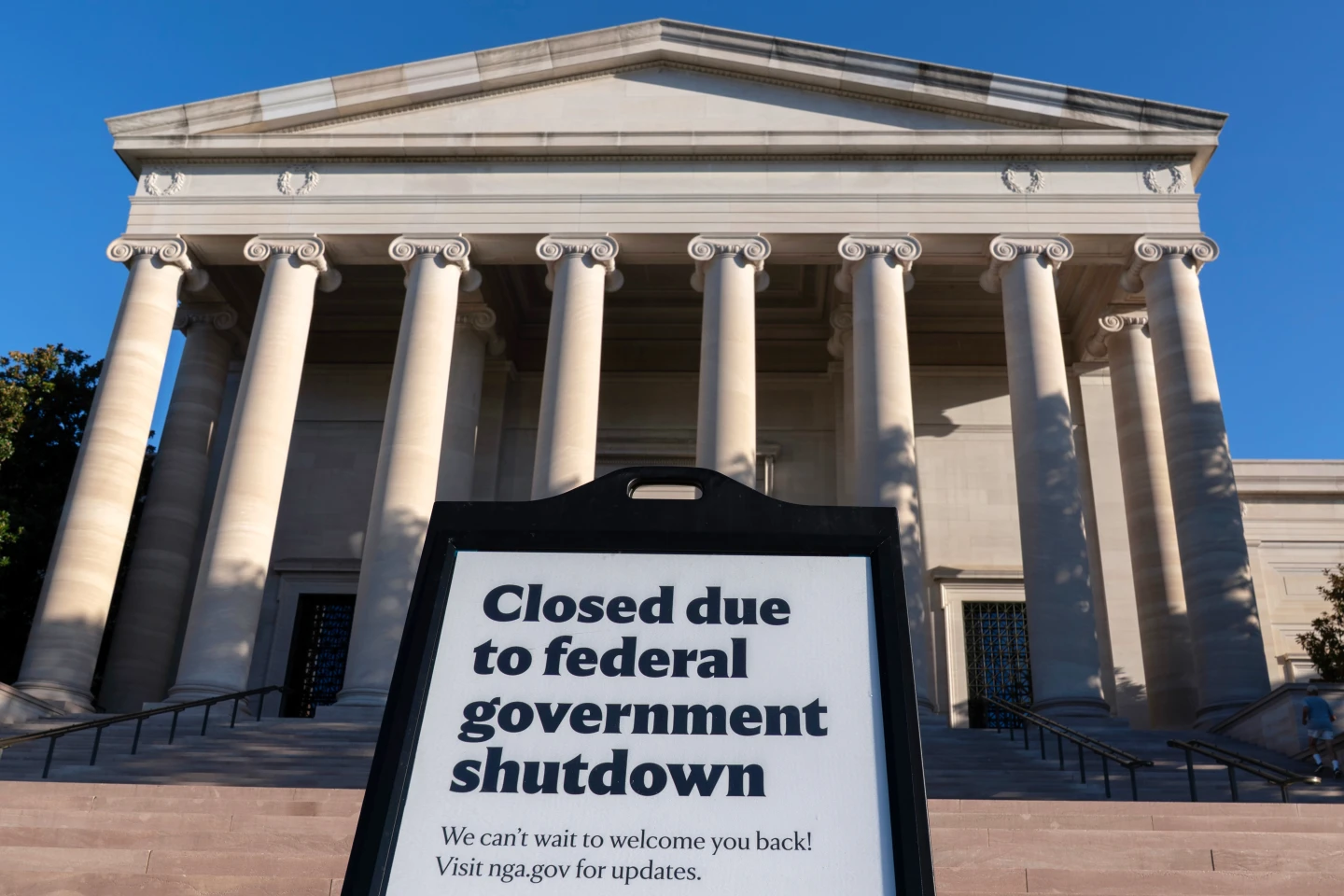
The Smithsonian Institution museums will stay open until at least October 6th, with funds from prior years helping to keep it operational. However, popular webcams at the National Zoo will be turned off as they are considered non-essential.
Healthcare for the elderly and poor
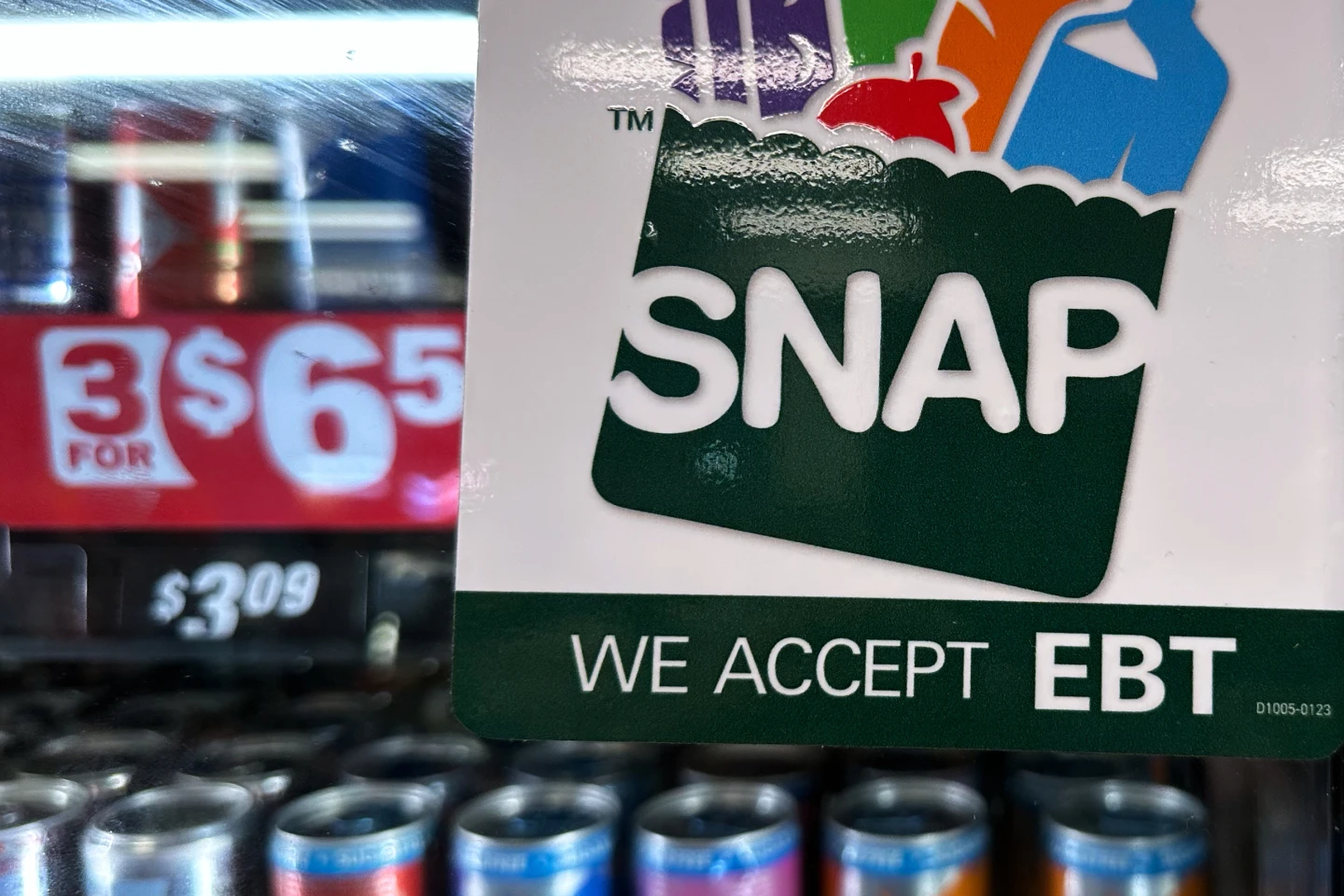
Medicare and Medicaid will continue during the shutdown but staffing shortages may cause some interruptions. Food assistance programs are expected to rapidly run out of funds, affecting many vulnerable citizens.
Mail will still arrive
The US Postal Service has previously been unaffected by government shutdowns and this will remain the case as they do not depend on Congressional funding.