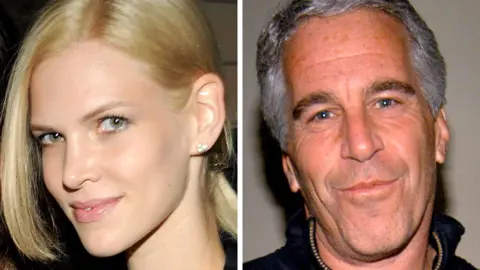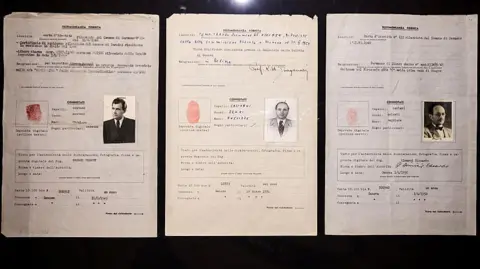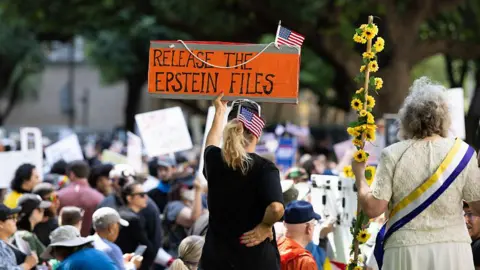
The release of thousands of pages of documents related to the late sex offender Jeffrey Epstein's abuse by the US Department of Justice (DOJ) has left some who were anxiously awaiting the files disappointed.
By law, the DOJ had to make all materials public by the end of Friday. But only some have been released, many with numerous redactions.
The lawmakers who pushed for these documents to see the light of day have described the DOJ's efforts as insincere, and some legal experts say that the redactions may only fuel ongoing conspiracy theories.
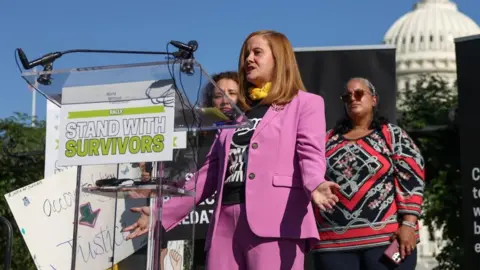
We just want all of the evidence of these crimes out there, Epstein survivor Liz Stein told the BBC.
Stein expressed her discontent over the DOJ's approach, stating that the department was really brazenly going against the Epstein Files Transparency Act—the law mandating the release of these documents. Survivors are concerned about a slow roll-out of incomplete information without any context, raising alarms as many feel disillusioned by the handling of the files.
Marina Lacerda, who was abused by Epstein at age 14, echoed Stein's skepticism regarding the transparency of future releases. We are a little disappointed that they're now still lingering on and distracting us with other things, she noted.
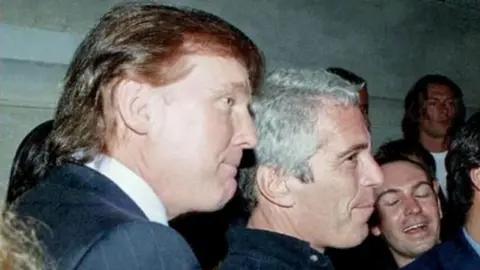
Among the released information is a photo of Epstein's confidante Ghislaine Maxwell outside Downing Street, documents claiming Epstein introduced a 14-year-old girl to former President Donald Trump, and multiple images of former President Bill Clinton—elements that add intrigue though, importantly, being named or pictured does not imply wrongdoing.
While the DOJ maintained that it was following legal obligations in redacting certain information to protect victims' privacy, critics and survivors emphasize that the level of redaction appears excessive and counterproductive to achieving justice and transparency.
In light of these concerns, Congress members leading efforts for full disclosure have expressed intentions to scrutinize the DOJ's compliance and accountability, suggesting that future actions may include impeachment or prosecution for officials involved in these redactions.
As the controversy continues, the DOJ confirmed it would proceed with reviewing and redacting more materials consistent with existing laws, though the lack of clarity over what has been withheld exacerbates the fears and frustration among Epstein's survivors and advocates for transparency.