In brief
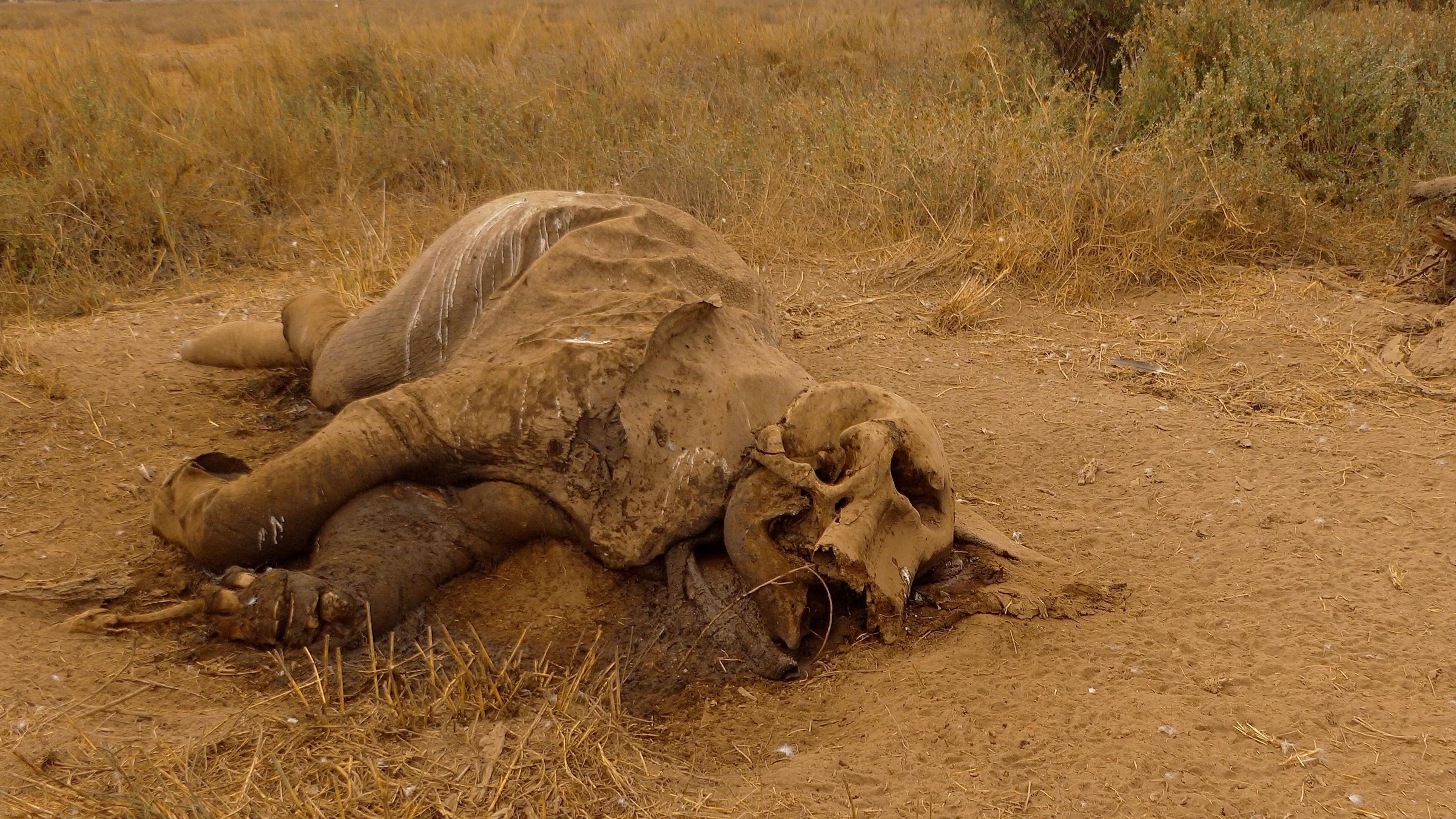
Recent deaths of fifteen elephants around Amboseli National Park have stirred questions about the use of cyanide‑based pesticides on nearby tomato farms. Kenya Wildlife Service technicians reported traces of cyanide in the animals’ stomachs, yet local farmers and conservation experts are uncertain of the link, citing uneven patterns of elephant deaths and weak enforcement of agrochemical regulations. The incident highlights ongoing land‑use pressure on wildlife corridors and raises alarm over potential risks to both elephants and surrounding communities.
Fifteen elephants died between 24 June and 24 July, with carcasses found outside Amboseli National Park. Kenya Wildlife Service authorities said the animals displayed partial paralysis, a symptom linked to cyanide, and lab tests found a trace of the chemical in stomach contents.
Farmers in the Kimana area, where tomato crops are grown, have expressed scepticism. One landowner, Daniel Nina, noted that their communities have hosted wildlife for decades and that no similar incidents have occurred.
A 2024 report by the Route to Food initiative uncovered an illegal insecticide containing cyanide in a farmer’s supply. The report highlighted the lack of enforcement at the Tanzania‑Kenya border and the prevalence of hazardous agrochemicals in the region.
Pesticide problem
The Kenya Wildlife Service’s chief vet, Dr Isaac Lekolool, said the toxin could have entered the elephants’ systems through contact with sprayed crops. He added that whether the poisoning was deliberate or accidental remains unclear.
It’s not adding up
Conservationist Paula Kahumbu questioned the current evidence. She pointed out that for a toxin to be lethal to elephants, a huge quantity would have been required, and that the pattern of deaths does not align with typical elephant foraging behaviour.
The imbalance was further highlighted by the fact that only one of the fifteen animals was an adult male; females and calves usually play a larger role in farm raiding.
Human‑wildlife conflict
Tomato farmer Stephen Michael recalled that elephants often raid the area, destroying crops worth thousands of dollars. He said recent raids cost him about $1,535 in cabbages alone.
Save the Elephants CEO Frank Pope remarked that land use patterns—such as expanding farming and lodging near park borders—are intensifying conflict. The overlap of fertile farmland and elephant corridors is a primary driver, according to him.
With no definitive cause identified, the health of remaining elephants and neighbouring communities remains uncertain.