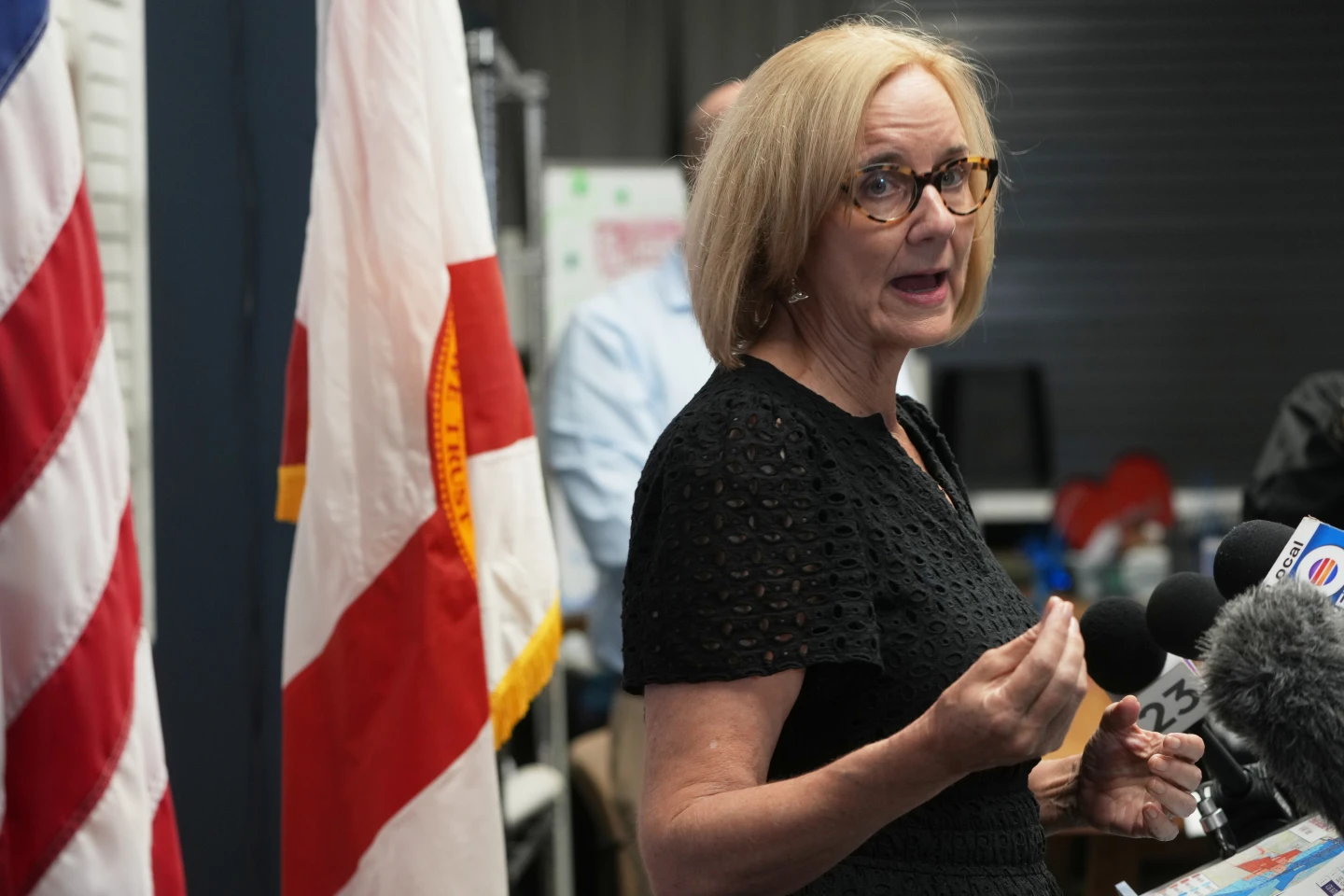
Miami (AP) — Eileen Higgins has made history with her decisive win in the Miami mayoral race, becoming the city's first female mayor and the first Democrat to hold the office in nearly three decades. With a remarkable victory margin of approximately 19 points over Republican Emilio Gonzalez, endorsed by Donald Trump, Higgins' triumph suggests a shift in the political dynamics of the city.
Higgins, a former county commissioner, has stated her intentions to explore legal avenues to unwind an agreement with the federal government that currently allows local police officers to conduct immigration enforcement. At her victory press conference, she expressed the need for city police to focus on community safety rather than checking residents’ immigration status.
Addressing the ongoing affordability crisis affecting many Miami residents, Higgins emphasized the necessity for leaders to responsibly tackle financial challenges that are impacting the daily lives of citizens.
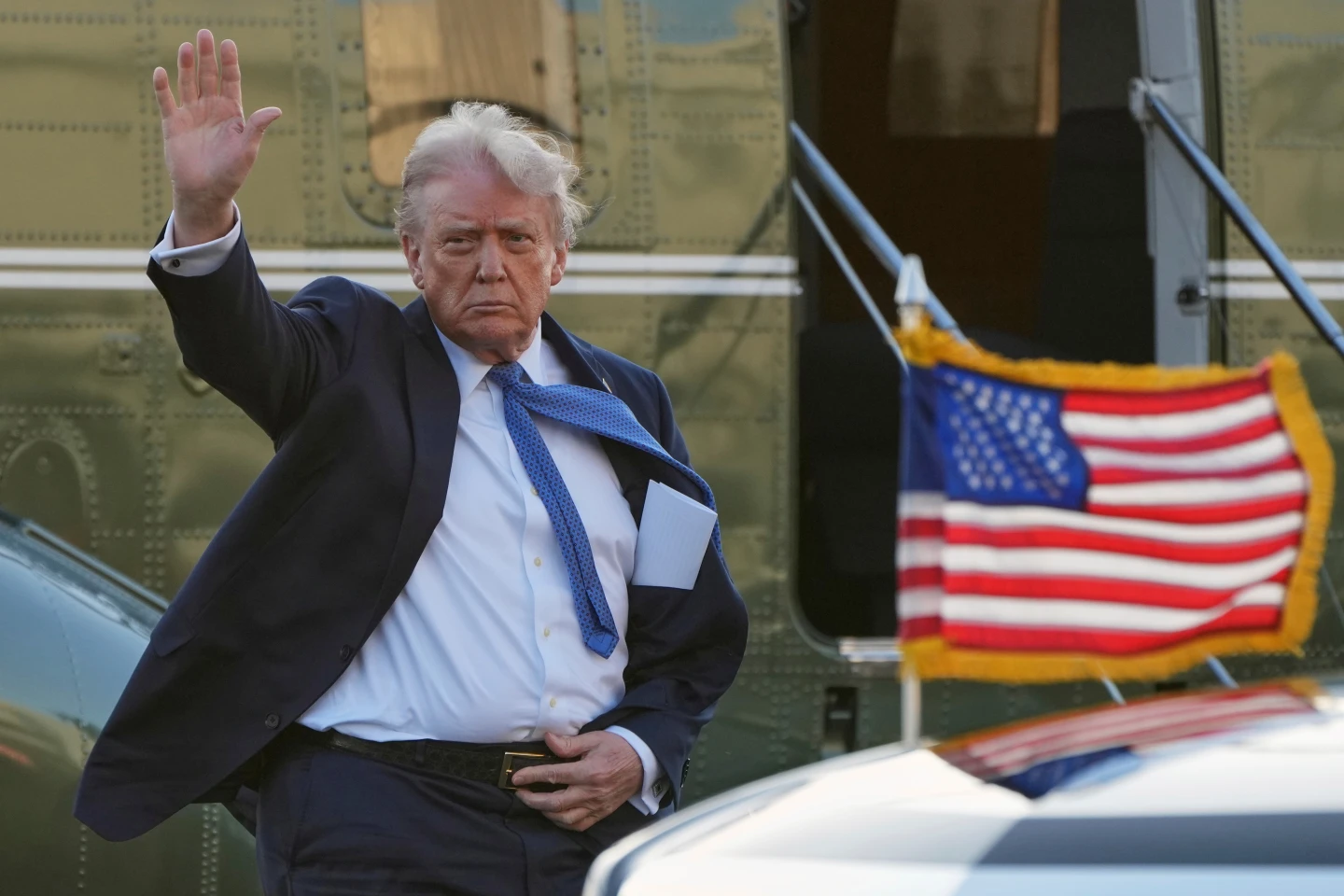
Her win coincided with Trump's speech in Pennsylvania, where he downplayed concerns over inflation, labeling the Democrats' focus on affordability as a 'hoax.' Higgins, however, stressed the real struggles residents face with rising costs, indicating that these issues resonate deeply with voters.
As she takes office, Higgins will confront challenges beyond local governance, including a potential pushback against the proposal for a Trump presidential library in Miami. While acknowledging the honor of such a site, she criticized the decision to donate valuable land, suggesting that it could have been better utilized for community needs.
With Miami set to host the G20 summit next year, Higgins' leadership positions the city at a critical intersection of local and global politics, and she remains undeterred by the prospect of trump's potential retaliation in response to her policies and stances. 'I am not scared of him, at all,' she firmly stated at her press conference.
Through this victory, Higgins not only reshapes Miami's political future but also reflects a broader narrative of changing sentiments in swing states, particularly among Hispanic voters.
Higgins, a former county commissioner, has stated her intentions to explore legal avenues to unwind an agreement with the federal government that currently allows local police officers to conduct immigration enforcement. At her victory press conference, she expressed the need for city police to focus on community safety rather than checking residents’ immigration status.
Addressing the ongoing affordability crisis affecting many Miami residents, Higgins emphasized the necessity for leaders to responsibly tackle financial challenges that are impacting the daily lives of citizens.
Her win coincided with Trump's speech in Pennsylvania, where he downplayed concerns over inflation, labeling the Democrats' focus on affordability as a 'hoax.' Higgins, however, stressed the real struggles residents face with rising costs, indicating that these issues resonate deeply with voters.
As she takes office, Higgins will confront challenges beyond local governance, including a potential pushback against the proposal for a Trump presidential library in Miami. While acknowledging the honor of such a site, she criticized the decision to donate valuable land, suggesting that it could have been better utilized for community needs.
With Miami set to host the G20 summit next year, Higgins' leadership positions the city at a critical intersection of local and global politics, and she remains undeterred by the prospect of trump's potential retaliation in response to her policies and stances. 'I am not scared of him, at all,' she firmly stated at her press conference.
Through this victory, Higgins not only reshapes Miami's political future but also reflects a broader narrative of changing sentiments in swing states, particularly among Hispanic voters.