An Orthodox Easter truce agreed by Russia and Ukraine came into force on Saturday afternoon but 38 minutes later, air raid sirens were reported in the Kharkiv region of northeastern Ukraine.
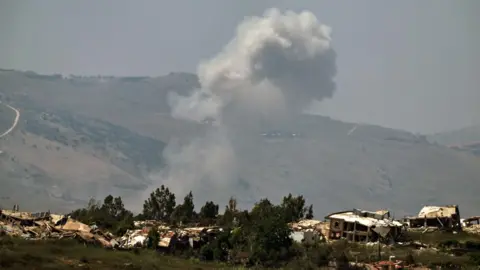
Officials and military noted multiple ceasefire violations along the frontline, though no long-range missile or drone strikes occurred. The ceasefire is intended to allow for a brief respite from fighting, more than four years after Russia's full-scale invasion.
Ukrainian President Volodymyr Zelensky remarked that 'Easter should be a time of safety, a time of peace,' emphasizing the seriousness of any potential attacks by Moscow in the coming days.
Local sentiment towards the ceasefire is skeptical. People have low expectations and are wary of Russian intentions. One individual expressed doubt about the sincerity of the truce, predicting intensified attacks once it ends.
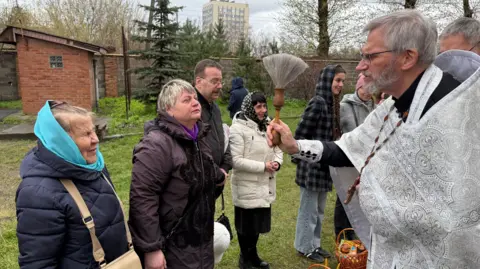
The weekend was marked by families gathering at St John the Theologian Church, bringing items such as Easter cakes and painted eggs for blessing, highlighting enduring traditions amidst turmoil.
Meanwhile, on the military side, units were cautious, awaiting possible confrontation, with one commander underscoring the need to be on alert, reflecting a pervasive sentiment that any truce could quickly dissolve.
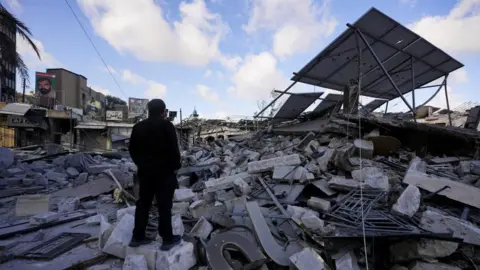
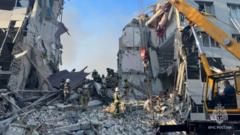
Back in the cities, the impact of war is palpable, with damaged buildings lingering as bittersweet reminders of the violence. As the community awaits ceasefire developments, many hope for genuine peace negotiations rather than temporary lulls in fighting.}
Officials and military noted multiple ceasefire violations along the frontline, though no long-range missile or drone strikes occurred. The ceasefire is intended to allow for a brief respite from fighting, more than four years after Russia's full-scale invasion.
Ukrainian President Volodymyr Zelensky remarked that 'Easter should be a time of safety, a time of peace,' emphasizing the seriousness of any potential attacks by Moscow in the coming days.
Local sentiment towards the ceasefire is skeptical. People have low expectations and are wary of Russian intentions. One individual expressed doubt about the sincerity of the truce, predicting intensified attacks once it ends.
The weekend was marked by families gathering at St John the Theologian Church, bringing items such as Easter cakes and painted eggs for blessing, highlighting enduring traditions amidst turmoil.
Meanwhile, on the military side, units were cautious, awaiting possible confrontation, with one commander underscoring the need to be on alert, reflecting a pervasive sentiment that any truce could quickly dissolve.
Back in the cities, the impact of war is palpable, with damaged buildings lingering as bittersweet reminders of the violence. As the community awaits ceasefire developments, many hope for genuine peace negotiations rather than temporary lulls in fighting.}